Anti-Inflammatory Diet Guide: Foods, Lab Markers, and Strategies to Reduce Chronic Inflammation
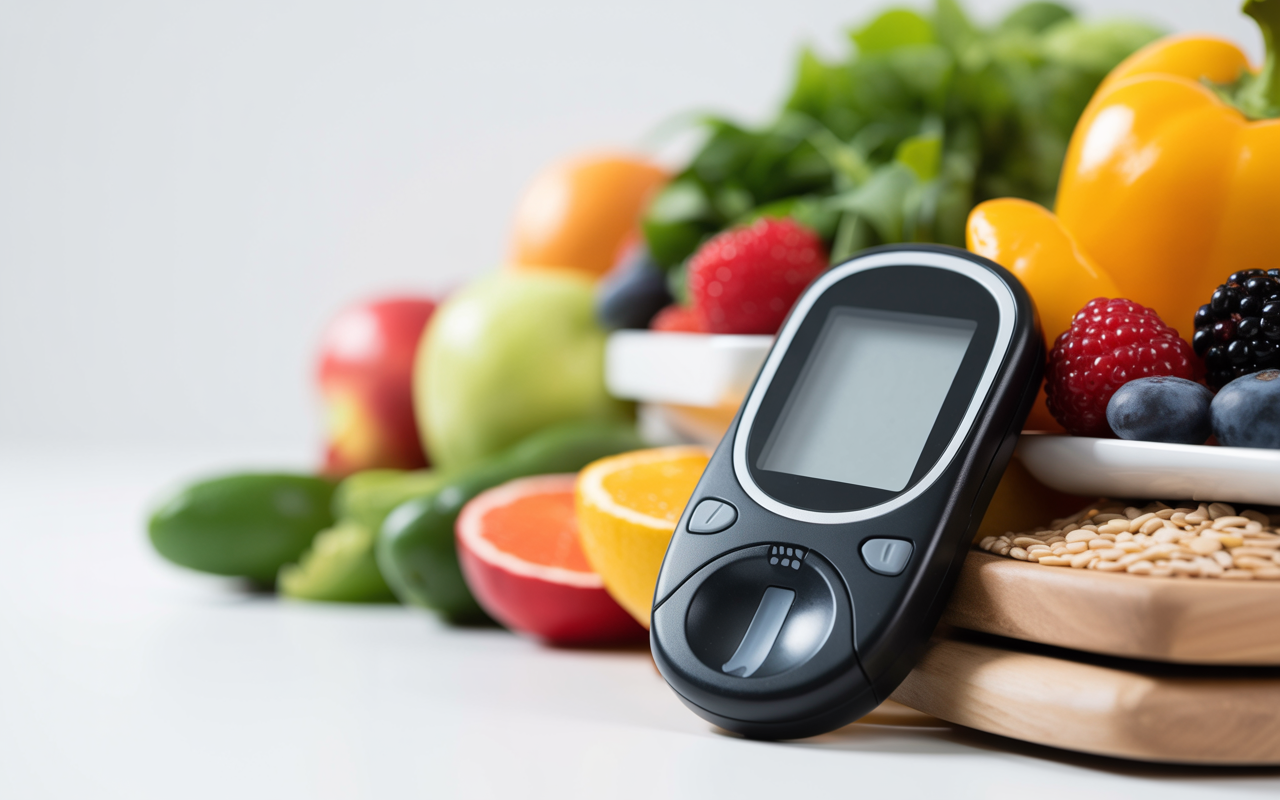
Anti-Inflammatory Diet Guide: Foods, Lab Markers, and Strategies to Reduce Chronic Inflammation
Medical Disclaimer: This article is for informational purposes only and does not constitute medical advice. Always consult with a qualified healthcare provider before making changes to your medications, supplements, or health regimen.
Chronic inflammation is one of the most pervasive -- and most overlooked -- threats to long-term health. Unlike the acute inflammation that helps you heal a cut or fight off an infection, chronic low-grade inflammation smolders silently for years, quietly damaging tissues and raising your risk for cardiovascular disease, type 2 diabetes, Alzheimer's disease, and certain cancers. The good news? What you eat has a profound impact on your body's inflammatory state, and your lab results can tell you exactly where you stand.
What Is Chronic Inflammation?
Inflammation is your immune system's natural response to injury or infection. In the short term, it's protective. But when inflammatory signals stay switched on -- triggered by poor diet, chronic stress, excess body fat, environmental toxins, or gut dysbiosis -- the result is systemic, low-grade inflammation that erodes health over time.
Research published in Nature Medicine estimates that more than half of all deaths worldwide are attributable to inflammation-related diseases. Understanding and managing your inflammatory burden is therefore one of the highest-leverage things you can do for your health.
Key Lab Markers That Measure Inflammation
Before overhauling your diet, it helps to know your baseline. Several blood tests can quantify your inflammatory status:
High-Sensitivity C-Reactive Protein (hs-CRP)
- What it measures: CRP is a protein produced by the liver in response to inflammation. The high-sensitivity version detects even low levels.
- Optimal range: Below 1.0 mg/L is considered low cardiovascular risk; 1.0-3.0 mg/L is moderate; above 3.0 mg/L is high risk.
- Why it matters: Elevated hs-CRP is one of the strongest independent predictors of heart attack and stroke.
- What it measures: How quickly red blood cells settle in a tube -- a proxy for systemic inflammation.
- Optimal range: Men: 0-15 mm/hr; Women: 0-20 mm/hr (values rise with age).
- Why it matters: Persistently elevated ESR can signal autoimmune activity, chronic infection, or inflammatory disease.
- What it measures: An amino acid that, at elevated levels, promotes vascular inflammation and oxidative stress.
- Optimal range: Below 10 umol/L; ideally below 7 umol/L.
- Why it matters: High homocysteine is linked to cardiovascular disease, cognitive decline, and B-vitamin deficiency.
- Why they matter: Insulin resistance is both a cause and consequence of chronic inflammation. Elevated fasting insulin (above 10 uIU/mL) often precedes a formal diabetes diagnosis by years.
- Why it matters: While ferritin is primarily an iron storage protein, it also acts as an acute-phase reactant -- very high levels (above 300 ng/mL in men, 200 ng/mL in women) can indicate systemic inflammation independent of iron status.
- Ultra-processed foods: Packaged snacks, fast food, and ready meals are loaded with refined carbohydrates, industrial seed oils (soybean, corn, sunflower), and additives that promote NF-kB -- the master switch of inflammatory gene expression.
- Refined sugars and high-fructose corn syrup: Spike blood glucose and insulin, driving glycation and oxidative stress.
- Trans fats: Found in partially hydrogenated oils; strongly pro-inflammatory and now largely banned in many countries, but still present in some imported products.
- Excess alcohol: More than one drink per day increases intestinal permeability (leaky gut), allowing bacterial endotoxins to enter the bloodstream and trigger systemic inflammation.
- Refined grains: White bread, white rice, and pasta have a high glycemic index and lack the fiber and micronutrients of whole grain alternatives.
- Chronic low-grade inflammation is a root driver of most major chronic diseases.
- Lab markers like hs-CRP, ESR, homocysteine, and fasting insulin give you objective data on your inflammatory status.
- An anti-inflammatory diet emphasizes fatty fish, colorful produce, olive oil, nuts, legumes, and anti-inflammatory spices.
- Minimizing ultra-processed foods, refined sugars, and excess alcohol is equally important.
- Retest your inflammatory markers after 3-6 months of dietary changes to measure your progress.
Erythrocyte Sedimentation Rate (ESR)
Homocysteine
Fasting Insulin and Blood Glucose
Ferritin
The Anti-Inflammatory Diet: Core Principles
An anti-inflammatory diet is not a rigid meal plan -- it's a flexible framework built around whole, nutrient-dense foods that modulate immune signaling and reduce oxidative stress.
Foods to Emphasize
Fatty Fish (Salmon, Sardines, Mackerel)
Rich in EPA and DHA omega-3 fatty acids, which directly inhibit pro-inflammatory eicosanoids. Aim for at least two servings per week. Studies show regular fatty fish consumption can reduce hs-CRP by 20-30%.
Colorful Vegetables and Fruits
Berries, leafy greens, cruciferous vegetables (broccoli, cauliflower, Brussels sprouts), and orange/yellow produce are loaded with polyphenols, carotenoids, and vitamin C -- all potent antioxidants that neutralize inflammatory free radicals.
Extra Virgin Olive Oil
Contains oleocanthal, a compound with anti-inflammatory properties similar to ibuprofen. Use it as your primary cooking fat and salad dressing base.
Nuts and Seeds
Walnuts, flaxseeds, and chia seeds provide plant-based omega-3s (ALA), fiber, and magnesium -- all of which support a lower inflammatory tone.
Legumes
Beans, lentils, and chickpeas are high in fiber, which feeds beneficial gut bacteria that produce short-chain fatty acids (SCFAs) -- key regulators of intestinal and systemic inflammation.
Turmeric and Ginger
Curcumin (from turmeric) and gingerols have well-documented anti-inflammatory effects. Pair turmeric with black pepper to enhance curcumin absorption by up to 2,000%.
Green Tea
Epigallocatechin gallate (EGCG) in green tea is one of the most studied anti-inflammatory polyphenols. Two to three cups daily is associated with lower CRP and reduced cardiovascular risk.
Foods to Minimize or Avoid
Practical Strategies to Lower Your Inflammatory Load
1. Follow a Mediterranean-Style Pattern
The Mediterranean diet consistently ranks as the most evidence-backed anti-inflammatory eating pattern. A landmark trial (PREDIMED) showed it reduced cardiovascular events by ~30% compared to a low-fat diet. Focus on vegetables, legumes, whole grains, fish, olive oil, and moderate red wine if appropriate.
2. Prioritize Gut Health
A diverse, fiber-rich diet feeds a healthy microbiome, which in turn produces SCFAs that regulate intestinal barrier integrity and immune function. Include fermented foods (yogurt, kefir, kimchi, sauerkraut) to introduce beneficial bacteria.
3. Time Your Eating
Time-restricted eating (e.g., eating within a 10-12 hour window) has been shown to reduce inflammatory markers, improve insulin sensitivity, and support circadian rhythm alignment -- all of which lower chronic inflammation.
4. Track Your Progress with Lab Work
Retest your hs-CRP, homocysteine, and fasting insulin 3-6 months after making dietary changes. Seeing objective improvement in your numbers is one of the most powerful motivators for sustaining healthy habits.
5. Address Lifestyle Cofactors
Diet alone is not enough. Chronic sleep deprivation, sedentary behavior, and unmanaged psychological stress all independently elevate inflammatory markers. Combine dietary changes with regular moderate exercise (which lowers CRP), 7-9 hours of quality sleep, and stress-reduction practices.
Key Takeaways
---
Take Control of Your Health Data
Ready to cross-reference your medications, supplements, and lab results in one place? [Health Intelligence Analyzer](/) helps you identify potential interactions, flag abnormal lab values, and optimize your health regimen with AI-powered insights. Start your free analysis today.