Chronic Condition Management: A Lab-Based Approach to Living Well with Type 2 Diabetes
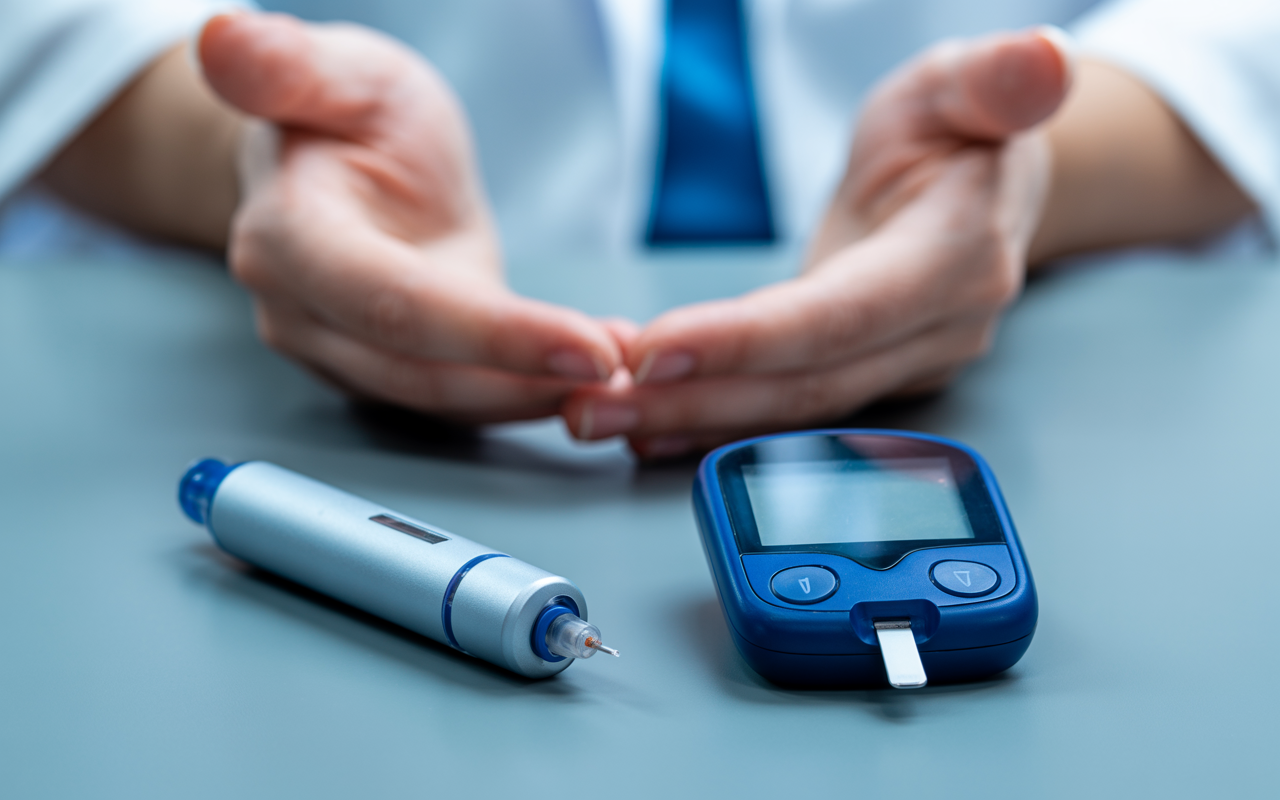
Chronic Condition Management: A Lab-Based Approach to Living Well with Type 2 Diabetes
Medical Disclaimer: This article is for informational purposes only and does not constitute medical advice. Always consult with a qualified healthcare provider before making changes to your medications, supplements, or health regimen.
Type 2 diabetes affects over 37 million Americans, yet many people living with the condition focus almost exclusively on blood glucose readings while overlooking a broader panel of lab markers that paint a far more complete picture of metabolic health. A truly effective management strategy requires understanding what your lab results mean, how they interact, and what actionable steps you can take to move the needle.
Why Lab Results Are Your Most Powerful Management Tool
Blood glucose meters and continuous glucose monitors (CGMs) provide real-time snapshots, but they only capture one dimension of a multifaceted condition. Type 2 diabetes is a systemic metabolic disorder that affects your cardiovascular system, kidneys, liver, and nervous system simultaneously. Tracking the right lab markers gives you a 360-degree view of how well your management plan is working — and where it needs adjustment.
The Core Lab Panel for Type 2 Diabetes
Your healthcare provider should be ordering these tests regularly:
- HbA1c (Glycated Hemoglobin): Reflects average blood glucose over the past 2–3 months. Target for most adults with type 2 diabetes is below 7.0%, though individualized targets may vary.
- Fasting Glucose: A snapshot of blood sugar after an overnight fast. Normal is below 100 mg/dL; diabetic range is 126 mg/dL or higher.
- Fasting Insulin: Often overlooked, this marker helps assess insulin resistance. Elevated fasting insulin alongside normal glucose can signal early metabolic dysfunction.
- eGFR (Estimated Glomerular Filtration Rate): Diabetes is the leading cause of kidney disease. eGFR tracks kidney filtration capacity; values below 60 mL/min/1.73m² warrant close monitoring.
- Urine Albumin-to-Creatinine Ratio (UACR): Detects early kidney damage (diabetic nephropathy) before eGFR declines. A ratio above 30 mg/g is a red flag.
- Lipid Panel: People with type 2 diabetes have elevated cardiovascular risk. Monitor LDL, HDL, triglycerides, and non-HDL cholesterol. Triglycerides above 150 mg/dL often signal poor glycemic control.
- Liver Enzymes (ALT, AST): Non-alcoholic fatty liver disease (NAFLD) is common in type 2 diabetes. Elevated ALT or AST may indicate hepatic fat accumulation.
- C-Reactive Protein (CRP): Chronic low-grade inflammation drives insulin resistance. High-sensitivity CRP (hs-CRP) above 3 mg/L suggests elevated inflammatory burden.
- HbA1c declining from 8.5% to 7.2% over six months signals that dietary and medication changes are working.
- Triglycerides dropping from 220 mg/dL to 140 mg/dL often reflects improved carbohydrate management.
- eGFR stabilizing or improving after medication adjustment indicates kidney protection strategies are effective.
- A rising UACR over consecutive tests warrants urgent discussion with your provider about kidney-protective medications (ACE inhibitors or ARBs).
- Worsening ALT alongside weight gain may indicate progressing NAFLD, which can accelerate insulin resistance.
- Persistently elevated hs-CRP despite glycemic control suggests an inflammatory driver that needs investigation.
- Reduce refined carbohydrates and added sugars: These cause rapid glucose spikes and contribute to elevated triglycerides.
- Prioritize fiber-rich foods: Soluble fiber (oats, legumes, vegetables) slows glucose absorption and feeds beneficial gut bacteria that influence insulin sensitivity.
- Include healthy fats: Olive oil, avocados, and fatty fish (rich in omega-3s) reduce inflammation and improve HDL cholesterol.
- Time your meals: Consistent meal timing helps stabilize fasting glucose and reduces post-meal glucose variability.
- 150 minutes of moderate aerobic activity per week (brisk walking, cycling, swimming)
- 2–3 sessions of resistance training per week — muscle tissue is the primary site of glucose disposal
- Metformin is associated with B12 depletion over time. Annual B12 testing is recommended for long-term users.
- SGLT2 inhibitors (empagliflozin, dapagliflozin) provide kidney and cardiovascular protection but can affect electrolyte balance — monitor potassium and magnesium.
- Statins (commonly prescribed for cardiovascular risk) may elevate liver enzymes and have been associated with modest increases in blood glucose — worth monitoring.
- Berberine (a supplement) has evidence for modest glucose-lowering effects but can interact with metformin and other medications.
- Screening for sleep apnea (highly prevalent in type 2 diabetes)
- Stress reduction practices (mindfulness, yoga, adequate rest)
- Cortisol testing if adrenal dysfunction is suspected
- Type 2 diabetes management requires tracking a comprehensive lab panel, not just blood glucose.
- Trends over time are more meaningful than single data points.
- Nutrition, exercise, sleep, and stress management all directly influence your lab results.
- Medication-nutrient interactions (especially metformin and B12) deserve regular monitoring.
- Early detection of kidney changes (rising UACR) allows for intervention before significant damage occurs.
Interpreting Trends, Not Just Numbers
One of the most common mistakes in diabetes management is treating each lab result as an isolated data point. What matters more is the trend over time.
What Improving Trends Look Like
Warning Signs in Your Lab Trends
Practical Strategies to Optimize Your Lab Results
Nutrition: The Foundation of Glycemic Control
Dietary choices have the most immediate impact on blood glucose and downstream lab markers:
Physical Activity: A Powerful Insulin Sensitizer
Exercise improves insulin sensitivity independently of weight loss. Even a 10-minute walk after meals can meaningfully reduce post-meal glucose spikes. Aim for:
Medication and Supplement Considerations
Several medications used in type 2 diabetes management have important interactions with lab markers and nutrients:
Sleep and Stress: The Underestimated Variables
Poor sleep and chronic stress elevate cortisol, which directly raises blood glucose and promotes insulin resistance. If your HbA1c is stubbornly elevated despite good dietary adherence, consider:
Building Your Monitoring Schedule
A practical lab monitoring schedule for type 2 diabetes:
| Test | Frequency |
|---|---|
| HbA1c | Every 3 months (until stable), then every 6 months |
| Fasting glucose | At each visit |
| Lipid panel | Annually |
| eGFR + UACR | Annually |
| Liver enzymes | Annually |
| B12 (if on metformin) | Annually |
| hs-CRP | As clinically indicated |
Key Takeaways
---
Take Control of Your Health Data
Ready to cross-reference your medications, supplements, and lab results in one place? [Health Intelligence Analyzer](/) helps you identify potential interactions, flag abnormal lab values, and optimize your health regimen with AI-powered insights. Start your free analysis today.