CRP and Inflammation Markers: What Your Blood Work Is Telling You About Chronic Disease Risk
CRP and Inflammation Markers: What Your Blood Work Is Telling You About Chronic Disease Risk
Medical Disclaimer: This article is for informational purposes only and does not constitute medical advice. Always consult with a qualified healthcare provider before making changes to your medications, supplements, or health regimen.
Chronic inflammation is often called a "silent killer" — it smolders beneath the surface for years, quietly damaging blood vessels, disrupting hormones, and increasing the risk of serious diseases. The good news? Your blood work can detect it. Inflammation markers like C-reactive protein (CRP), fibrinogen, homocysteine, and erythrocyte sedimentation rate (ESR) give your doctor — and you — a window into what's happening at the cellular level.
In this article, we'll decode the most important inflammation markers, explain what abnormal values mean, and outline evidence-based strategies to reduce systemic inflammation.
What Is C-Reactive Protein (CRP)?
C-reactive protein is a protein produced by the liver in response to inflammation. When your immune system detects injury, infection, or tissue damage, it releases cytokines that signal the liver to ramp up CRP production. Elevated CRP is one of the most reliable indicators of systemic inflammation in the body.
There are two types of CRP tests:
- Standard CRP: Measures general inflammation; useful for detecting acute infections or flare-ups of inflammatory conditions.
- High-Sensitivity CRP (hs-CRP): Detects low-grade, chronic inflammation; particularly valuable for assessing cardiovascular disease risk.
- Normal range: Men: 0–15 mm/hr; Women: 0–20 mm/hr (values increase slightly with age)
- Elevated ESR may indicate autoimmune diseases (lupus, rheumatoid arthritis), infections, or certain cancers
- Normal range: 200–400 mg/dL
- Elevated fibrinogen is associated with metabolic syndrome, smoking, obesity, and cardiovascular disease
- Optimal range: < 10 µmol/L
- Elevated homocysteine is linked to cardiovascular disease, cognitive decline, and kidney dysfunction
- Poor diet: Ultra-processed foods, refined sugars, and trans fats promote inflammatory pathways
- Excess body fat: Adipose tissue — especially visceral fat — secretes pro-inflammatory cytokines
- Sedentary lifestyle: Physical inactivity is independently associated with elevated CRP
- Chronic stress: Cortisol dysregulation drives inflammatory signaling
- Poor sleep: Even one night of poor sleep can spike CRP levels
- Gut dysbiosis: An imbalanced gut microbiome increases intestinal permeability ("leaky gut"), allowing bacterial endotoxins to enter the bloodstream and trigger inflammation
- Smoking and alcohol: Both are potent drivers of oxidative stress and inflammation
- Unmanaged chronic conditions: Diabetes, obesity, and autoimmune diseases create a self-reinforcing cycle of inflammation
- Increase: Fatty fish (salmon, sardines), olive oil, colorful vegetables, berries, nuts, legumes, and whole grains
- Reduce: Red and processed meats, refined carbohydrates, sugary beverages, and seed oils high in omega-6 fatty acids
- Spices matter: Turmeric (curcumin), ginger, and garlic have demonstrated anti-inflammatory effects in human studies
- Omega-3 fatty acids (EPA/DHA): 2–4g/day reduces CRP, IL-6, and fibrinogen
- Curcumin: 500–1000mg/day (with piperine for absorption) lowers CRP and IL-6
- Magnesium: Deficiency is associated with elevated CRP; supplementation may help
- Vitamin D: Low vitamin D is linked to higher inflammation; optimizing levels (40–60 ng/mL) supports immune regulation
- B vitamins (B6, B12, folate): Essential for lowering homocysteine
- Request hs-CRP (not just standard CRP) on your next blood panel — it's more sensitive for cardiovascular risk assessment
- Track trends over time — a single elevated reading may reflect a recent infection; serial measurements are more meaningful
- Pair CRP with other markers — ESR, fibrinogen, and homocysteine together paint a fuller picture of inflammatory burden
- Lifestyle changes work — diet, exercise, and sleep improvements can reduce hs-CRP by 30–50% within 8–12 weeks
- Don't ignore mildly elevated values — even hs-CRP in the 1–3 mg/L range warrants attention and lifestyle optimization
hs-CRP Reference Ranges
| Level | hs-CRP Value | Interpretation |
|---|---|---|
| Low risk | < 1.0 mg/L | Low cardiovascular risk |
| Average risk | 1.0–3.0 mg/L | Moderate cardiovascular risk |
| High risk | > 3.0 mg/L | High cardiovascular risk |
| Acute inflammation | > 10 mg/L | Likely active infection or injury |
Research published in the New England Journal of Medicine found that individuals with elevated hs-CRP had nearly double the risk of a cardiovascular event, even when LDL cholesterol was within normal range. This makes hs-CRP a critical marker that goes beyond standard cholesterol panels.
Other Key Inflammation Markers to Know
Erythrocyte Sedimentation Rate (ESR)
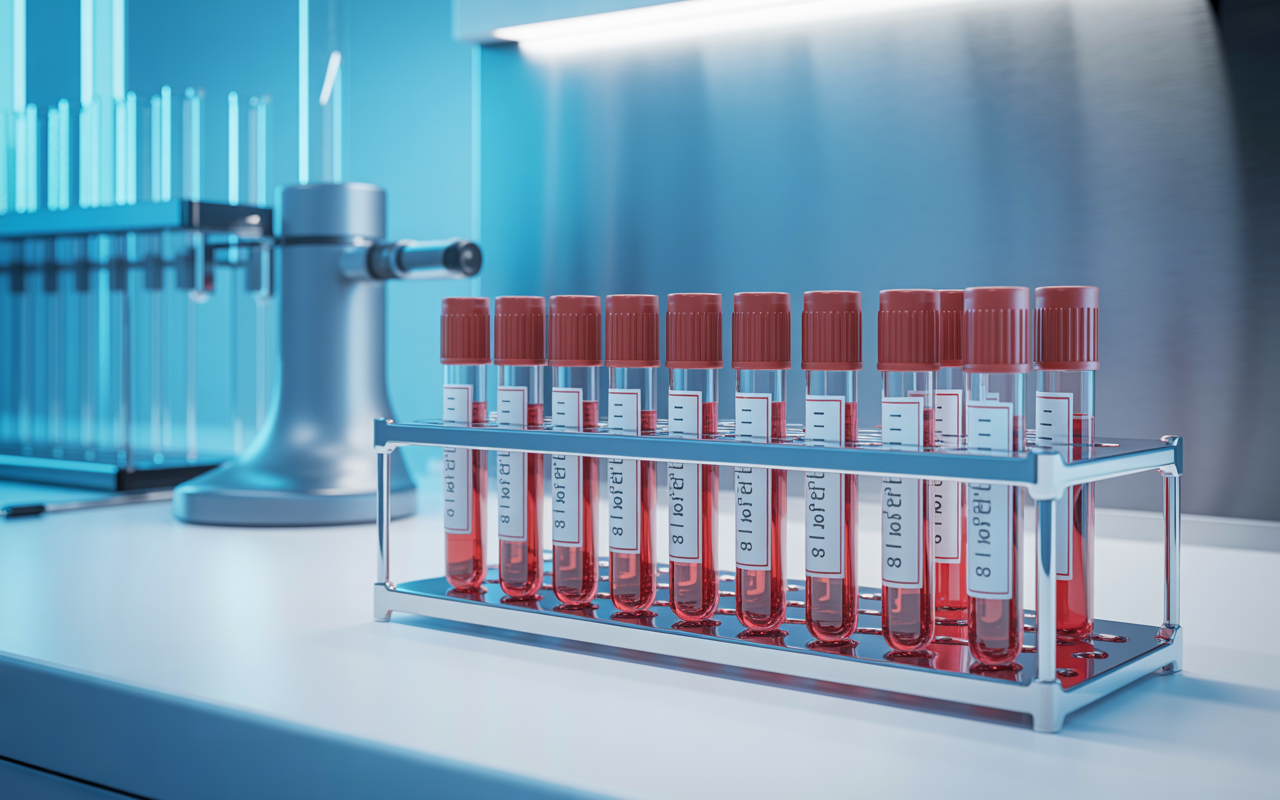
ESR measures how quickly red blood cells settle to the bottom of a test tube. When inflammation is present, proteins in the blood cause red cells to clump together and fall faster. ESR is a non-specific marker — it tells you that inflammation is present, but not where or why.
Fibrinogen
Fibrinogen is a clotting protein that also rises during inflammation. Chronically elevated fibrinogen increases blood viscosity and clot risk, contributing to heart attack and stroke.
Homocysteine
Homocysteine is an amino acid that, at elevated levels, damages the inner lining of blood vessels and promotes inflammation. It's closely tied to B-vitamin status — deficiencies in B6, B12, and folate cause homocysteine to accumulate.
Interleukin-6 (IL-6)
IL-6 is a pro-inflammatory cytokine that drives CRP production. While not always included in standard panels, it's increasingly measured in research and specialty settings. Chronically elevated IL-6 is associated with insulin resistance, depression, and accelerated aging.
What Causes Chronic Inflammation?
Understanding the root causes of elevated inflammation markers helps you address the problem at its source:
Evidence-Based Strategies to Lower Inflammation Markers
1. Adopt an Anti-Inflammatory Diet
The Mediterranean diet consistently reduces CRP and other inflammation markers in clinical trials. Key principles:
2. Exercise Regularly
Moderate-intensity aerobic exercise (150 minutes/week) significantly reduces hs-CRP. Resistance training also lowers inflammatory markers, particularly in individuals with metabolic syndrome. Avoid overtraining — excessive high-intensity exercise without adequate recovery can temporarily spike inflammation.
3. Optimize Sleep
Aim for 7–9 hours of quality sleep per night. Sleep deprivation activates NF-κB, a master regulator of inflammatory gene expression. Consistent sleep schedules and good sleep hygiene are among the most underrated anti-inflammatory interventions.
4. Manage Stress
Chronic psychological stress elevates cortisol, which paradoxically promotes inflammation over time. Mindfulness-based stress reduction (MBSR), yoga, and even regular time in nature have been shown to lower CRP levels.
5. Consider Targeted Supplements (With Medical Guidance)
Several supplements have evidence for reducing inflammation markers:
6. Address Root Causes
If your inflammation markers remain elevated despite lifestyle changes, work with your healthcare provider to investigate underlying causes: undiagnosed autoimmune conditions, sleep apnea, gut dysbiosis, or hormonal imbalances.
Practical Takeaways
Chronic inflammation is not inevitable. By understanding your inflammation markers and taking targeted action, you can meaningfully reduce your risk of cardiovascular disease, metabolic syndrome, and other chronic conditions — often without medication.
---
Take Control of Your Health Data
Ready to cross-reference your medications, supplements, and lab results in one place? [Health Intelligence Analyzer](/) helps you identify potential interactions, flag abnormal lab values, and optimize your health regimen with AI-powered insights. Start your free analysis today.