Food-Drug Interactions: How What You Eat Can Affect Your Medications
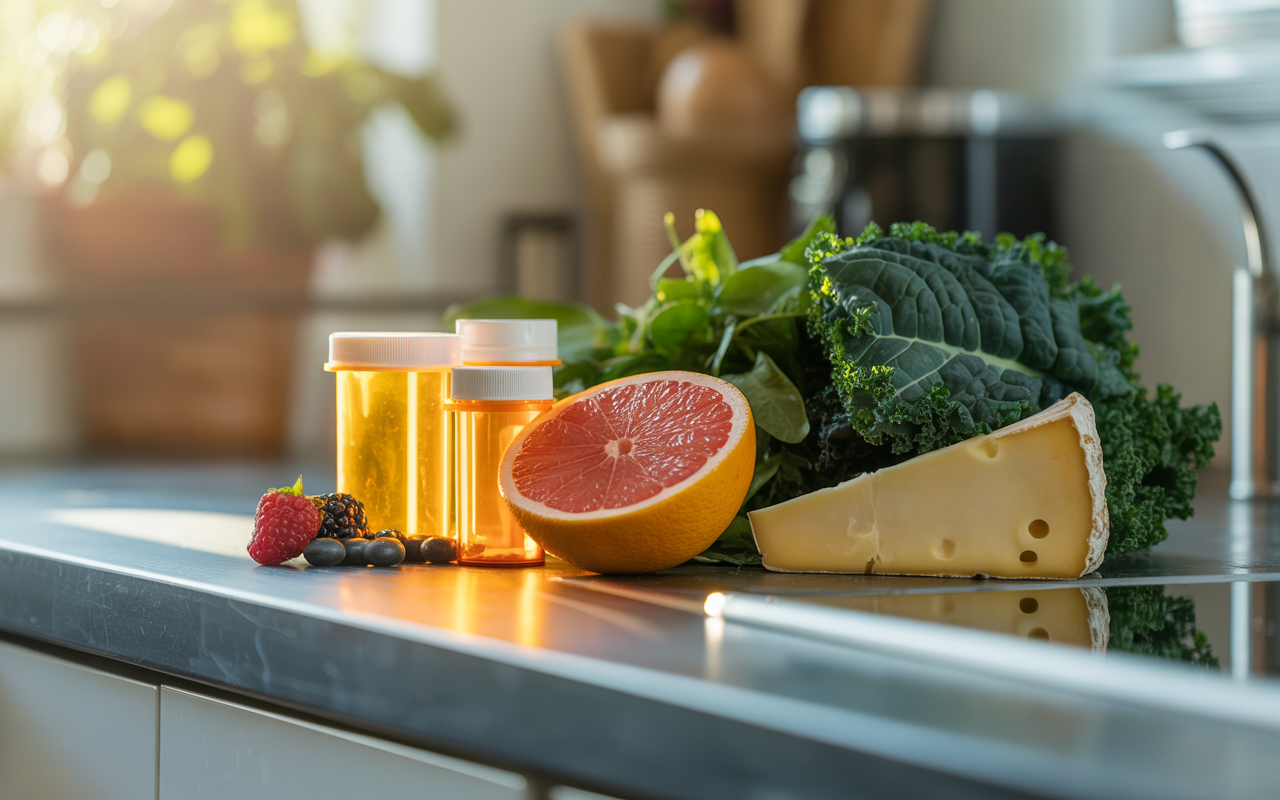
Food-Drug Interactions: How What You Eat Can Affect Your Medications
Medical Disclaimer: This article is for informational purposes only and does not constitute medical advice. Always consult with a qualified healthcare provider before making changes to your medications, supplements, or health regimen.
Most people know to avoid mixing certain medications, but far fewer realize that the food on their plate can be just as influential. Food-drug interactions occur when a nutrient, compound, or even the timing of a meal changes how your body absorbs, metabolizes, or eliminates a drug. The consequences range from reduced therapeutic effect to dangerous toxicity—and they affect millions of patients every year.
Understanding these interactions is not about eliminating healthy foods from your diet. It is about knowing when and how to eat them so your medications can do their job safely.
Why Food Affects Medications
Drugs travel through the same biological pathways as nutrients. After you swallow a pill, it passes through the gastrointestinal tract, enters the bloodstream, and is processed primarily by the liver before reaching its target tissue. Several mechanisms explain how food can disrupt this journey:
- Absorption interference: Certain minerals bind to drug molecules in the gut, preventing them from crossing into the bloodstream.
- Enzyme inhibition or induction: Foods can switch liver enzymes on or off, changing how quickly a drug is broken down.
- pH changes: High-acid or high-alkaline foods alter stomach pH, affecting how well some drugs dissolve.
- Protein binding competition: Nutrients can compete with drugs for carrier proteins in the blood, altering the amount of active drug available.
- Statins (atorvastatin, simvastatin): Risk of muscle breakdown (rhabdomyolysis)
- Calcium channel blockers (amlodipine, felodipine): Excessive blood pressure drop
- Immunosuppressants (cyclosporine, tacrolimus): Toxicity risk in transplant patients
- Certain anticoagulants and antivirals: Unpredictable plasma levels
- Kale, spinach, collard greens, Swiss chard
- Broccoli, Brussels sprouts, cabbage
- Green onions and parsley
- Tetracyclines (doxycycline, minocycline): Calcium can reduce absorption by up to 80% ([PubMed, PMID 6362792](https://pubmed.ncbi.nlm.nih.gov/6362792/))
- Fluoroquinolones (ciprofloxacin, levofloxacin): Dairy, calcium-fortified juices, and antacids all impair absorption
- Aged cheeses (cheddar, blue cheese, brie)
- Cured and fermented meats (salami, pepperoni, sausage)
- Fermented soy products (soy sauce, miso, tempeh)
- Draft beer and red wine
- Overripe or pickled vegetables
- Isotretinoin (Accutane): Absorption increases by 50% when taken with a high-fat meal
- Atovaquone (antimalarial): Bioavailability triples with fatty food
- Certain HIV antiretrovirals: Require food for adequate plasma levels
- Stimulant ADHD medications (amphetamines, methylphenidate): Additive cardiovascular effects including elevated heart rate and blood pressure
- Theophylline (asthma medication): Caffeine competes for the same metabolic pathway, raising theophylline levels and toxicity risk
- Certain antibiotics (ciprofloxacin, enoxacin): Inhibit caffeine metabolism, prolonging its stimulant effects
- CNS depressants (benzodiazepines, opioids, sleep aids): Additive sedation, respiratory depression risk
- Metronidazole and tinidazole: Disulfiram-like reaction (flushing, nausea, vomiting)
- Acetaminophen: Chronic alcohol use dramatically increases liver toxicity risk even at standard doses
- Metformin: Increased risk of lactic acidosis
- NSAIDs: Heightened risk of gastrointestinal bleeding
- Sudden changes in blood pressure or heart rate after eating
- Unusual bleeding or bruising (especially on anticoagulants)
- Severe nausea, vomiting, or muscle pain after starting a new medication
- Reduced effectiveness of a medication without an obvious cause
The Grapefruit Effect: A Well-Known but Underappreciated Risk
Grapefruit is the most studied food-drug interaction culprit. It contains furanocoumarins—compounds that irreversibly inhibit CYP3A4, a liver enzyme responsible for metabolizing roughly 50% of all prescription drugs ([FDA, 2021](https://www.fda.gov/consumers/consumer-updates/grapefruit-juice-and-some-drugs-dont-mix)).
When CYP3A4 is blocked, drug concentrations in the blood can rise to toxic levels. A single glass of grapefruit juice can suppress this enzyme for up to 72 hours.
Medications Affected by Grapefruit
Seville oranges, pomelos, and tangelos contain similar compounds and carry the same risk.
Vitamin K and Blood Thinners
Patients taking warfarin (Coumadin) are routinely counseled about vitamin K—and for good reason. Warfarin works by blocking vitamin K-dependent clotting factors. When dietary vitamin K intake fluctuates significantly, it destabilizes the drug's anticoagulant effect, raising the risk of either dangerous clotting or uncontrolled bleeding ([NIH, 2023](https://ods.od.nih.gov/factsheets/VitaminK-HealthProfessional/)).
High-Vitamin K Foods to Monitor (Not Necessarily Avoid)
The key is consistency, not elimination. Eating a steady amount of these vegetables each week allows your prescriber to calibrate your warfarin dose accurately. Sudden large increases—like a week-long green smoothie cleanse—can be dangerous.
Dairy, Calcium, and Antibiotic Absorption
Calcium ions in dairy products form insoluble complexes with certain antibiotics, dramatically reducing their absorption. This interaction is well-documented for:
The standard guidance is to take these antibiotics at least 2 hours before or 6 hours after consuming dairy or calcium-rich foods.
Tyramine and MAO Inhibitors: A Potentially Life-Threatening Combination
Monoamine oxidase inhibitors (MAOIs) are used for depression and Parkinson's disease. They block the enzyme that breaks down tyramine, a naturally occurring compound in aged and fermented foods. When tyramine accumulates, it can trigger a hypertensive crisis—a sudden, severe spike in blood pressure that can cause stroke or death.
High-Tyramine Foods to Avoid on MAOIs
Patients on MAOIs receive detailed dietary counseling, but awareness remains critical ([FDA Drug Safety Communication](https://www.fda.gov)).
High-Fat Meals and Drug Absorption
Not all food-drug interactions are harmful. Some drugs actually require food—particularly fat—to be absorbed properly:
Conversely, high-fat meals can delay gastric emptying and slow the absorption of time-sensitive medications like pain relievers, potentially delaying relief.
Caffeine and Stimulant Medications
Caffeine is a mild stimulant that interacts with several drug classes:
Alcohol: The Most Common Food-Drug Interaction
Alcohol interacts with hundreds of medications. Key interactions include:
Practical Strategies to Minimize Food-Drug Interactions
1. Read the medication guide: Pharmacists include food interaction warnings on prescription labels—read them every time.
2. Ask your pharmacist: Before starting a new medication, ask specifically about food and beverage restrictions.
3. Maintain dietary consistency: For drugs like warfarin, consistency matters more than avoidance.
4. Time your doses strategically: Many interactions are timing-dependent. Taking a drug 1-2 hours before or after a meal can eliminate the interaction.
5. Track your diet and symptoms: If you notice unexpected side effects or reduced drug efficacy, consider whether a recent dietary change could be responsible.
6. Use a medication management tool: Apps and platforms that cross-reference your medications with dietary factors can flag potential interactions before they become problems.
When to Contact Your Healthcare Provider
Seek medical attention if you experience:
Food-drug interactions are preventable with the right knowledge. By understanding how your diet interacts with your prescriptions, you can protect yourself from avoidable harm and ensure your medications work as intended.
---
Take Control of Your Health Data
Ready to cross-reference your medications, supplements, and lab results in one place? [Health Intelligence Analyzer](/) helps you identify potential interactions, flag abnormal lab values, and optimize your health regimen with AI-powered insights. Start your free analysis today.