Generic vs. Brand-Name Medications: What Bioequivalence Really Means for Your Health
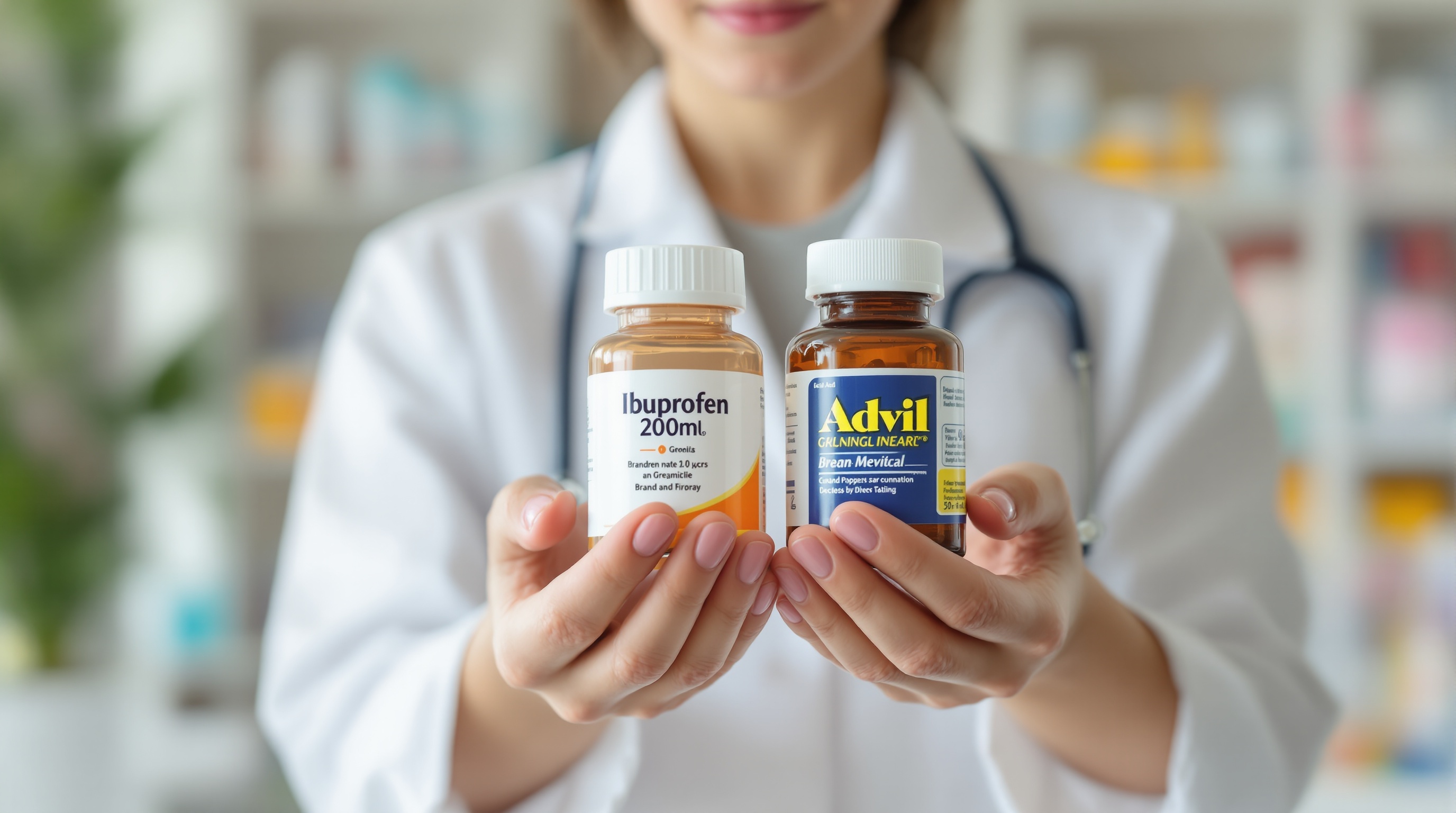
Generic vs. Brand-Name Medications: What Bioequivalence Really Means for Your Health
Medical Disclaimer: This article is for informational purposes only and does not constitute medical advice. Always consult with a qualified healthcare provider before making changes to your medications, supplements, or health regimen.
Every year, millions of patients are switched from brand-name medications to generics — often at the pharmacy counter without warning. For most people, this switch is seamless. For others, it can trigger unexpected side effects, reduced efficacy, or confusing changes in how their body responds. Understanding what "bioequivalence" actually means — and when it matters — is one of the most practical pieces of health literacy you can develop.
What Is a Generic Medication?
A generic drug contains the same active ingredient, in the same dose and dosage form, as its brand-name counterpart. Once a brand-name drug's patent expires — typically after 20 years — other manufacturers can apply to the FDA to produce and sell a generic version.
To gain approval, generic manufacturers must demonstrate bioequivalence: proof that their product delivers the active ingredient into the bloodstream at a rate and extent that is not significantly different from the original.
According to the [FDA's Office of Generic Drugs](https://www.fda.gov/drugs/generic-drugs/generic-drug-facts), generic drugs account for approximately 90% of all prescriptions dispensed in the United States — saving patients and the healthcare system hundreds of billions of dollars annually.
How Bioequivalence Is Measured
The FDA requires that a generic drug's pharmacokinetic profile — specifically its AUC (area under the curve) and Cmax (peak concentration) — fall within 80–125% of the brand-name drug's values in healthy volunteers.
This range sounds wide, but in practice, most approved generics fall within 3–5% of the brand-name reference. The 80–125% boundary is a statistical confidence interval, not a reflection of typical real-world variation.
Key pharmacokinetic parameters tested:
- AUC: Total drug exposure over time
- Cmax: Peak blood concentration reached
- Tmax: Time to reach peak concentration
- Half-life: How long the drug remains active in the body
- Levothyroxine (thyroid hormone replacement)
- Warfarin (blood thinner)
- Lithium (mood stabilizer)
- Digoxin (heart failure/arrhythmia)
- Phenytoin (seizure control)
- Cyclosporine (immunosuppressant)
- Inactive ingredients (fillers, binders, dyes, coatings)
- Pill color or shape
- Manufacturer or facility
- Allergies or sensitivities: Some patients react to specific dyes (e.g., FD&C Yellow No. 5) or fillers (e.g., lactose) present in one formulation but not another.
- Absorption differences: Certain excipients can affect how quickly a drug dissolves and is absorbed, particularly in patients with GI conditions like Crohn's disease or gastroparesis.
- Psychological factors: Research published in [JAMA Internal Medicine](https://pubmed.ncbi.nlm.nih.gov/24733277/) found that patients who believed they were taking a generic reported lower satisfaction — a nocebo effect that can influence perceived efficacy.
- Ask your pharmacist which manufacturer's generic you're receiving — this can vary fill to fill
- Note your current symptom control and any side effects
- For NTI drugs, schedule a lab check 4–6 weeks after switching
- Track any new symptoms: headaches, GI changes, mood shifts, or changes in disease control
- If you notice a difference, report it to your prescriber — don't assume it's unrelated
- Request a specific manufacturer's generic if one formulation works better for you (pharmacies can often accommodate this)
- Levothyroxine: TSH, Free T4 (recheck at 6 weeks)
- Warfarin: INR (recheck within 1–2 weeks)
- Lithium: Serum lithium level (recheck at 5–7 days)
- Digoxin: Serum digoxin level, renal function
- Cyclosporine: Trough levels, renal function
- For most medications: Generic substitution is safe, effective, and financially beneficial
- For NTI drugs: Switch cautiously, monitor labs, and keep your prescriber informed
- For ER formulations: Pay attention to symptom changes after any switch
- For allergy-prone patients: Review inactive ingredient lists if you suspect a reaction
- Always: Keep a consistent record of which manufacturer's product you're taking, especially for critical medications
For most medications — antibiotics, statins, blood pressure drugs, antidepressants — this level of equivalence is clinically meaningful and patients experience no difference.
When Generic Switching Can Matter
For the vast majority of drugs, generic substitution is safe and effective. However, certain drug classes require extra attention:
Narrow Therapeutic Index (NTI) Drugs
Some medications have a very small margin between a therapeutic dose and a toxic one. For these drugs, even modest pharmacokinetic variation can have clinical consequences.
Common NTI drugs include:
For NTI drugs, the FDA applies stricter bioequivalence standards. Still, patients switching between formulations — even between two different generics — should have their levels monitored. A [2011 study in JAMA](https://pubmed.ncbi.nlm.nih.gov/21990299/) found that patients with epilepsy who switched antiepileptic drug formulations had a modestly higher risk of breakthrough seizures.
Extended-Release Formulations
Extended-release (ER/XR/XL) medications are engineered to release the active ingredient slowly over time. The inactive ingredients — called excipients — play a critical role in this delivery mechanism. Generic ER formulations may use different excipients, which can affect release kinetics even when the active ingredient is identical.
Patients on extended-release formulations of medications like metformin, metoprolol, or bupropion should pay attention to how they feel after any switch.
What's Actually Different Between Generic and Brand-Name Drugs
Generics are NOT required to use the same:
These differences rarely matter clinically, but they can matter for specific patients:
How to Switch Safely
If you're being switched from a brand-name to a generic (or between generics), here's how to navigate it intelligently:
Before the switch:
After the switch:
Lab markers to monitor after switching NTI drugs:
The Cost-Benefit Reality
For most patients, generics represent an enormous value. The [FDA reports](https://www.fda.gov/drugs/generic-drugs/generic-drug-facts) that generics cost 80–85% less than brand-name equivalents on average. Over a lifetime of medication use, this can translate to tens of thousands of dollars in savings.
The evidence strongly supports generic substitution as the default for most drug classes. A comprehensive [Cochrane review](https://pubmed.ncbi.nlm.nih.gov/22895954/) found no clinically meaningful differences in outcomes between generic and brand-name cardiovascular drugs.
The key is knowing which situations warrant extra vigilance — and having the tools to monitor your response.
Practical Takeaways
Understanding the science behind your medications — not just the name on the bottle — puts you in a far stronger position to manage your health effectively.
---
Take Control of Your Health Data
Ready to cross-reference your medications, supplements, and lab results in one place? [Health Intelligence Analyzer](/) helps you identify potential interactions, flag abnormal lab values, and optimize your health regimen with AI-powered insights. Start your free analysis today.