The Glycemic Index vs. Glycemic Load: What Actually Matters for Blood Sugar Control
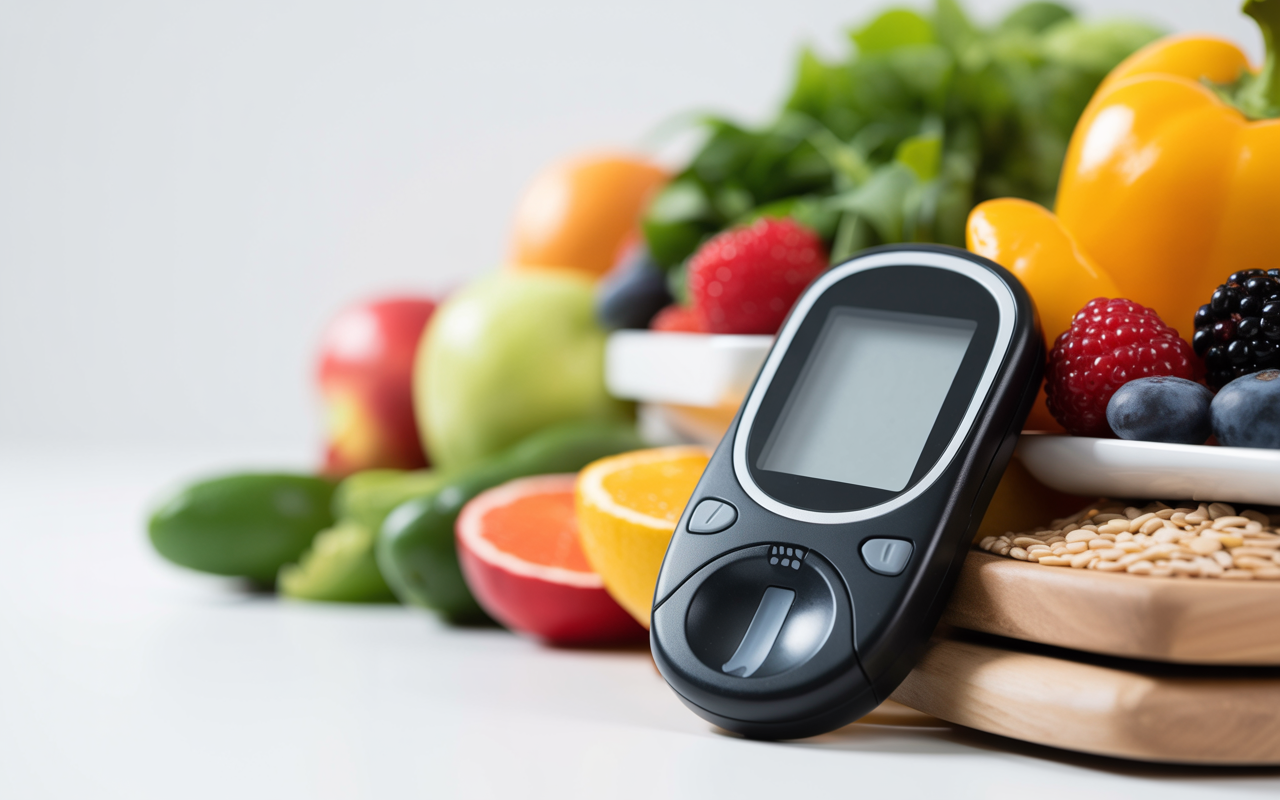
The Glycemic Index vs. Glycemic Load: What Actually Matters for Blood Sugar Control
Medical Disclaimer: This article is for informational purposes only and does not constitute medical advice. Always consult with a qualified healthcare provider before making changes to your medications, supplements, or health regimen.
If you've ever tried to manage your blood sugar through diet, you've likely encountered the term glycemic index (GI). But here's what most people don't know: GI alone can be misleading. The more clinically meaningful metric is glycemic load (GL)—and understanding the difference could transform how you approach carbohydrate choices.
What Is the Glycemic Index?
The glycemic index ranks carbohydrate-containing foods on a scale of 0–100 based on how quickly they raise blood glucose compared to pure glucose (rated at 100). Foods are classified as:
- Low GI (≤55): Lentils, oats, most fruits
- Medium GI (56–69): Brown rice, whole wheat bread, sweet potato
- High GI (≥70): White bread, white rice, watermelon, instant oatmeal
- Low GL (≤10): Most vegetables, legumes, many fruits
- Medium GL (11–19): Brown rice (1/2 cup), oatmeal (1 cup)
- High GL (≥20): Large portions of white rice, pasta, sugary beverages
- Fewer energy crashes and cravings
- Reduced insulin spikes and subsequent fat storage
- Lower risk of insulin resistance over time
- Legumes (lentils, chickpeas, black beans)
- Non-starchy vegetables (broccoli, spinach, zucchini)
- Whole intact grains (barley, quinoa, steel-cut oats)
- Fasting glucose: Target <100 mg/dL (normal range)
- HbA1c: Reflects 3-month average blood sugar; target <5.7% (non-diabetic)
- Fasting insulin: Elevated levels suggest insulin resistance even when glucose appears normal
- Triglycerides: Often elevated with high-GL diets; target <150 mg/dL
- HDL cholesterol: Low HDL frequently accompanies high-GL eating patterns
The GI was developed in the early 1980s by Dr. David Jenkins at the University of Toronto and has since been validated in hundreds of clinical studies ([NIH, PubMed](https://pubmed.ncbi.nlm.nih.gov/6259925/)).
The Problem with GI Alone
Here's where GI gets tricky: it measures the rate of blood sugar rise, but not the amount of carbohydrate in a typical serving. Watermelon, for example, has a high GI of 72—yet a standard serving contains very few digestible carbohydrates. Judging watermelon as "bad for blood sugar" based on GI alone is a significant oversimplification.
What Is Glycemic Load?
Glycemic load corrects for this limitation by factoring in the actual carbohydrate content per serving:
> GL = (GI × grams of net carbohydrate per serving) ÷ 100
GL categories:
Watermelon's GL? Just 4 per standard serving—firmly in the low category, despite its high GI. This is why GL is considered the more practical tool for real-world dietary planning ([Harvard T.H. Chan School of Public Health](https://www.hsph.harvard.edu/nutritionsource/carbohydrates/glycemic-load/)).
Why Glycemic Load Matters More for Metabolic Health
Blood Sugar Stability
A 2019 meta-analysis published in The Lancet found that diets with lower glycemic load were associated with significantly better glycemic control in people with type 2 diabetes, independent of total carbohydrate intake ([PubMed](https://pubmed.ncbi.nlm.nih.gov/31036421/)). Stable blood sugar means:
Cardiovascular Risk Reduction
The PREDIMED trial and other large cohort studies have linked high-GL diets to elevated triglycerides, lower HDL cholesterol, and increased cardiovascular disease risk. Conversely, low-GL eating patterns are associated with improved lipid profiles ([NIH](https://www.ncbi.nlm.nih.gov/pmc/articles/PMC4994556/)).
Weight Management
High-GL foods trigger rapid insulin release, which promotes fat storage and suppresses fat oxidation. Research from Harvard Medical School suggests that low-GL diets may support better long-term weight maintenance compared to low-fat diets, partly because they preserve lean muscle mass and reduce hunger hormones like ghrelin ([PubMed](https://pubmed.ncbi.nlm.nih.gov/22735432/)).
Practical Strategies to Lower Your Dietary Glycemic Load
You don't need to memorize GL values for every food. Instead, apply these evidence-based principles:
1. Prioritize Fiber-Rich Carbohydrates
Fiber slows glucose absorption, effectively lowering the GL of a meal. Aim for:
2. Pair Carbohydrates with Protein and Fat
Combining carbohydrates with protein and healthy fats blunts the glycemic response. A plain baked potato has a high GL; add Greek yogurt and olive oil, and the effective glycemic impact drops substantially.
3. Watch Portion Sizes—Not Just Food Type
Even low-GI foods can produce a high GL in large quantities. A small serving of brown rice (GL ~10) becomes a high-GL meal when portions double. Use the plate method: fill half with non-starchy vegetables, one quarter with lean protein, and one quarter with complex carbohydrates.
4. Choose Whole Over Processed
Processing increases GI and GL. Instant oatmeal has a higher GL than steel-cut oats; white bread has a higher GL than whole-grain sourdough. The more intact the food structure, the slower the glucose release.
5. Consider Meal Timing and Order
Emerging research suggests that eating vegetables and protein before carbohydrates in a meal can reduce post-meal glucose spikes by up to 30% ([PubMed](https://pubmed.ncbi.nlm.nih.gov/26965765/)). This "food sequencing" strategy is simple and requires no dietary restriction.
How to Track Your Response: Lab Markers to Monitor
Individual glycemic responses vary significantly based on gut microbiome composition, insulin sensitivity, and genetics. Key lab markers to discuss with your healthcare provider include:
Continuous glucose monitors (CGMs), now available without a prescription, allow real-time tracking of how specific foods affect your blood sugar—a powerful personalization tool endorsed by the American Diabetes Association ([ADA Standards of Care, 2024](https://diabetesjournals.org/care/article/47/Supplement_1/S1/153954/)).
The Bottom Line
The glycemic index is a useful starting point, but glycemic load is the metric that actually predicts real-world blood sugar impact. By focusing on GL—and applying practical strategies like fiber pairing, portion control, and food sequencing—you can make smarter carbohydrate choices that support stable energy, metabolic health, and long-term disease prevention.
---
Take Control of Your Health Data
Ready to cross-reference your medications, supplements, and lab results in one place? [Health Intelligence Analyzer](/) helps you identify potential interactions, flag abnormal lab values, and optimize your health regimen with AI-powered insights. Start your free analysis today.