Grapefruit and Drug Interactions: Why This Fruit Can Make Your Medication Dangerous
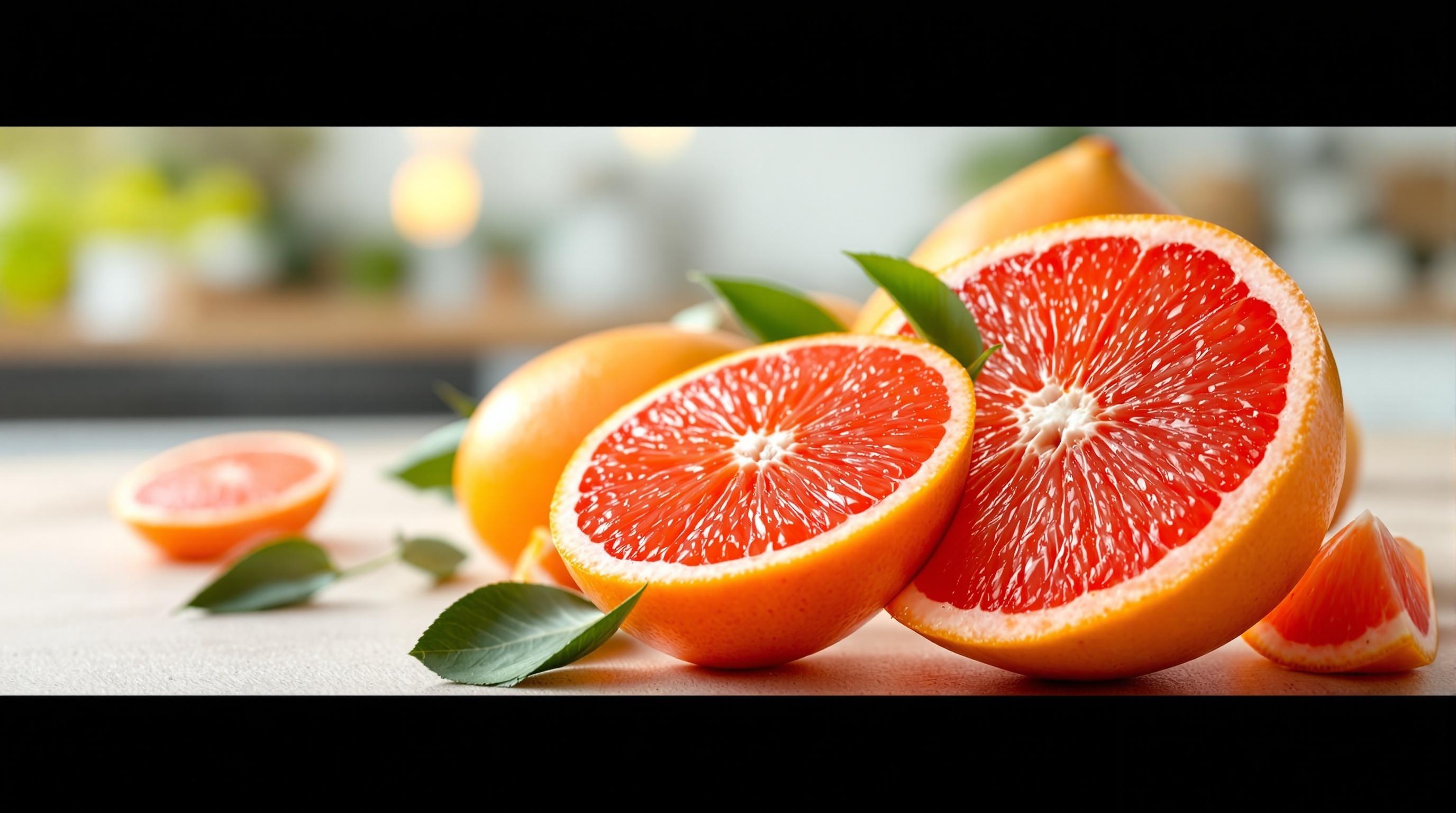
Grapefruit and Drug Interactions: Why This Fruit Can Make Your Medication Dangerous
Medical Disclaimer: This article is for informational purposes only and does not constitute medical advice. Always consult with a qualified healthcare provider before making changes to your medications, supplements, or health regimen.
Grapefruit is widely celebrated as a nutritious, low-calorie fruit packed with vitamin C, antioxidants, and fiber. Yet for millions of people taking prescription medications, a single glass of grapefruit juice or a few segments of the fruit can trigger a dangerous — even life-threatening — drug interaction. This is not a rare edge case: the FDA has identified over 85 medications that interact with grapefruit, and the list continues to grow.
Understanding why grapefruit behaves so differently from other citrus fruits, which medications are most at risk, and how to protect yourself is essential knowledge for anyone managing their health with prescription drugs.
Why Grapefruit Is Uniquely Dangerous
The culprit behind grapefruit's drug interaction potential is a class of chemical compounds called furanocoumarins, particularly bergamottin and 6',7'-dihydroxybergamottin. These compounds are found in grapefruit (and to a lesser extent in Seville oranges, pomelos, and tangelos) but are absent in common oranges, lemons, and limes.
Furanocoumarins irreversibly inhibit an enzyme called CYP3A4 (cytochrome P450 3A4), which is responsible for metabolizing approximately 50% of all prescription drugs. CYP3A4 is found in both the intestinal wall and the liver, and its job is to break down medications before they enter systemic circulation — a process called first-pass metabolism.
When grapefruit disables CYP3A4, your body can no longer properly metabolize affected drugs. The result: drug concentrations in your bloodstream can rise to two, five, or even fifteen times the intended level, depending on the medication and the amount of grapefruit consumed.
Critically, this effect is not dose-dependent in the way you might expect. Even a single 8-ounce glass of grapefruit juice can inhibit CYP3A4 for 24 to 72 hours. This means spacing out your medication and grapefruit consumption by a few hours does NOT eliminate the risk.
Which Medications Are Most Affected?
The FDA and clinical pharmacologists have identified several major drug categories with significant grapefruit interactions:
Statins (Cholesterol-Lowering Drugs)
Some statins are heavily metabolized by CYP3A4 and carry serious grapefruit interaction risks:
- Simvastatin (Zocor) — Among the most affected; grapefruit can increase blood levels by up to 3-fold, raising the risk of myopathy (muscle damage) and rhabdomyolysis
- Lovastatin (Mevacor) — Similar risk profile to simvastatin
- Atorvastatin (Lipitor) — Moderate interaction; some increase in drug levels
- Pravastatin, rosuvastatin, and fluvastatin — Generally considered safe with grapefruit as they use different metabolic pathways
- Felodipine, nifedipine, amlodipine — Grapefruit can significantly increase blood levels, potentially causing excessive blood pressure lowering, dizziness, and heart palpitations
- A landmark 1991 study published in The Lancet first identified this interaction when researchers accidentally discovered that grapefruit juice dramatically elevated felodipine levels in study participants
- Cyclosporine (Neoral, Sandimmune) and tacrolimus (Prograf) — Used in organ transplant patients; grapefruit can cause toxic drug accumulation, risking organ rejection or toxicity
- Buspirone (anxiety) — Levels can increase up to 9-fold with grapefruit
- Sertraline (Zoloft) — Moderate interaction
- Carbamazepine (Tegretol) — Anticonvulsant with documented grapefruit interaction
- Quetiapine (Seroquel) — Antipsychotic with elevated risk
- Sildenafil (Viagra) — Grapefruit can amplify effects and side effects
- Fexofenadine (Allegra) — Interestingly, grapefruit decreases absorption of this antihistamine by inhibiting a different transporter (OATP1A2), reducing its effectiveness
- Certain HIV antiretrovirals — Including saquinavir
- Amiodarone — Heart rhythm medication with serious interaction potential
- Read your medication guide carefully. The FDA requires drug manufacturers to include grapefruit warnings in prescribing information when interactions are clinically significant.
- Ask your pharmacist or physician directly. When starting any new medication, specifically ask: "Does this drug interact with grapefruit or grapefruit juice?"
- Do not assume timing eliminates the risk. Because furanocoumarins cause irreversible CYP3A4 inhibition, the enzyme must be newly synthesized before it functions normally again — a process that takes 24–72 hours.
- Consider switching to a safer alternative. For statins, switching from simvastatin to pravastatin or rosuvastatin eliminates the grapefruit concern without sacrificing cholesterol control.
- Avoid related fruits. Seville oranges (often used in marmalades), pomelos, and tangelos contain similar furanocoumarins and should be treated with the same caution.
- Check the FDA's drug interaction database. The FDA maintains updated resources on food-drug interactions at [https://www.fda.gov/consumers/consumer-updates/grapefruit-juice-and-some-drugs-dont-mix](https://www.fda.gov/consumers/consumer-updates/grapefruit-juice-and-some-drugs-dont-mix).
- Grapefruit contains furanocoumarins that irreversibly inhibit CYP3A4, a critical drug-metabolizing enzyme
- Over 85 medications interact with grapefruit, including statins, blood pressure drugs, immunosuppressants, and psychiatric medications
- Even a single serving of grapefruit can affect drug metabolism for 24–72 hours — timing your consumption does not eliminate the risk
- The interaction can cause drug toxicity (too much drug) or therapeutic failure (too little drug), depending on the medication
- Always consult your pharmacist or physician about grapefruit interactions when starting any new medication
Calcium Channel Blockers (Blood Pressure Medications)
Immunosuppressants
Psychiatric Medications
Other Notable Medications
The Mechanism: More Than Just CYP3A4
While CYP3A4 inhibition is the primary mechanism, grapefruit also affects drug transporters in the intestinal wall, particularly organic anion-transporting polypeptides (OATPs). These transporters help absorb certain drugs into the bloodstream. When grapefruit inhibits OATPs, it can actually reduce the absorption of some medications — the opposite effect — making them less effective rather than more potent.
This dual mechanism means grapefruit interactions are not always about toxicity from elevated drug levels; sometimes the concern is therapeutic failure from reduced drug absorption.
How to Protect Yourself
Here are practical steps to manage grapefruit-drug interactions:
What the Research Says
A comprehensive review published in the Canadian Medical Association Journal (CMAJ) in 2012 identified 85 drugs with potential grapefruit interactions, 43 of which could cause serious adverse effects including sudden death, acute kidney failure, respiratory failure, gastrointestinal bleeding, and bone marrow suppression. The authors noted that the number of affected drugs had increased from 17 in 2008, reflecting both new drug approvals and growing research awareness.
The NIH's National Library of Medicine also maintains detailed interaction data through its DailyMed database ([https://dailymed.nlm.nih.gov](https://dailymed.nlm.nih.gov)), where patients and clinicians can look up specific drug labeling for grapefruit warnings.
Key Takeaways
Grapefruit is a healthy food for most people — but for those on certain medications, it represents a genuine and underappreciated safety risk. Awareness, open communication with your healthcare team, and careful label reading are your best defenses.
---
Take Control of Your Health Data
Ready to cross-reference your medications, supplements, and lab results in one place? [Health Intelligence Analyzer](/) helps you identify potential interactions, flag abnormal lab values, and optimize your health regimen with AI-powered insights. Start your free analysis today.