Grip Strength as a Health Biomarker: What Your Handshake Reveals About Longevity
Grip Strength as a Health Biomarker: What Your Handshake Reveals About Longevity
Medical Disclaimer: This article is for informational purposes only and does not constitute medical advice. Always consult with a qualified healthcare provider before making changes to your medications, supplements, or health regimen.
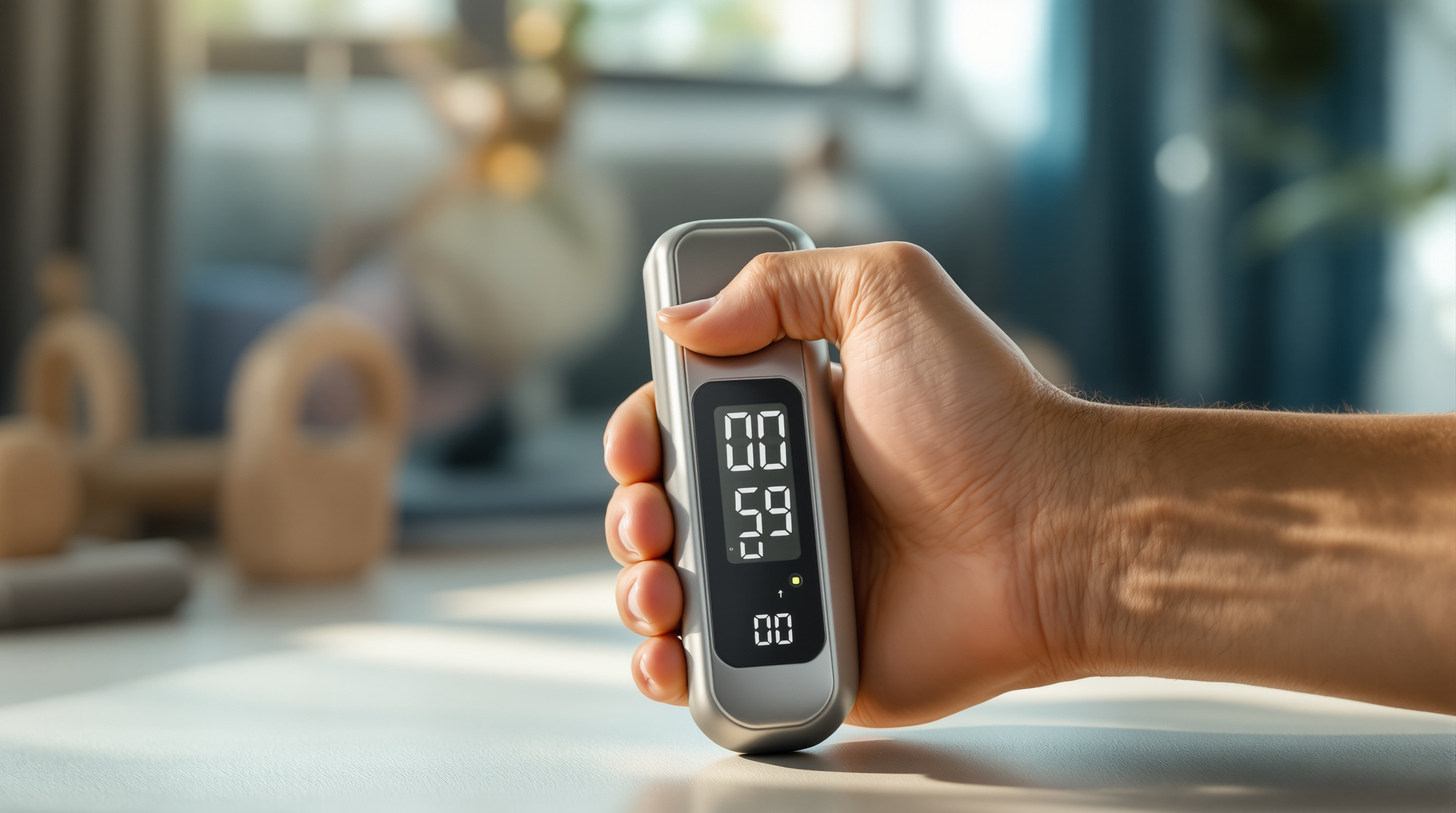
When researchers want a single, fast measurement that predicts how long you'll live and how healthy those years will be, they increasingly reach for a simple handheld device called a dynamometer. Grip strength — the maximum force your hand and forearm can exert — has emerged as one of the most robust biomarkers in preventive medicine. It costs nothing to measure, takes seconds, and tells a surprisingly deep story about your muscles, heart, brain, and metabolic health.
Why Grip Strength Matters Beyond the Gym
Grip strength is a proxy for overall skeletal muscle quality. Because muscle tissue is metabolically active — consuming glucose, producing hormones, and supporting immune function — its condition reflects the health of nearly every organ system. A 2015 landmark study published in The Lancet followed 139,691 adults across 17 countries and found that each 5 kg decrease in grip strength was associated with a 17% higher risk of cardiovascular mortality and a 16% higher risk of all-cause mortality ([Leong et al., 2015](https://www.thelancet.com/journals/lancet/article/PIIS0140-6736(14)62000-6/fulltext)).
This association held even after adjusting for age, physical activity, smoking, and other confounders — meaning grip strength captures something independent of lifestyle habits alone.
What Grip Strength Predicts
Cardiovascular Disease Risk
Low grip strength is linked to higher rates of heart attack, stroke, and heart failure. Muscle tissue helps regulate blood pressure by acting as a glucose sink and producing myokines — signaling proteins that reduce vascular inflammation. When muscle mass and quality decline, these protective mechanisms weaken.
Cognitive Decline and Dementia
A 2019 meta-analysis in PLOS ONE found that weak grip strength was associated with a 31% increased risk of cognitive impairment ([Soysal et al., 2019](https://journals.plos.org/plosone/article?id=10.1371/journal.pone.0211743)). The brain and skeletal muscle share common pathways involving insulin signaling, inflammation, and mitochondrial function — so deterioration in one often mirrors deterioration in the other.
Metabolic Health and Insulin Resistance
Skeletal muscle is the primary site of insulin-mediated glucose uptake. Reduced muscle mass and strength correlate strongly with insulin resistance, type 2 diabetes risk, and elevated HbA1c. Research published in the Journal of Clinical Endocrinology & Metabolism confirmed that grip strength independently predicts insulin sensitivity even in non-diabetic adults.
Hospitalization Outcomes and Surgical Recovery
Low grip strength before surgery predicts longer hospital stays, higher complication rates, and slower recovery. Many hospitals now screen grip strength as part of pre-operative frailty assessments. The NIH recognizes low muscle strength as a key component of sarcopenia — the age-related loss of muscle mass that accelerates disability.
Bone Density and Fracture Risk
Muscle and bone are mechanically coupled. Stronger muscles exert greater force on bones, stimulating bone remodeling and density maintenance. Studies consistently show that grip strength correlates with bone mineral density at the hip and spine, making it a useful screening signal for osteoporosis risk.
Reference Ranges: What Is Normal?
Grip strength norms vary by age, sex, and hand dominance. General reference ranges from the American Society of Hand Therapists and population studies:
- Men aged 20–39: 46–56 kg (dominant hand)
- Men aged 40–59: 40–52 kg
- Men aged 60+: 32–44 kg
- Women aged 20–39: 26–34 kg
- Women aged 40–59: 24–32 kg
- Women aged 60+: 20–28 kg
- Sit with your elbow at 90 degrees, forearm neutral
- Squeeze maximally for 3 seconds without holding your breath
- Take 3 measurements per hand with 60-second rest intervals
- Record the average of the best two readings
- Test at the same time of day for consistency
- Plate pinches: Pinch a weight plate between thumb and fingers for 20–30 seconds
- Dead hangs: Hang from a pull-up bar for 20–60 seconds
- Towel pull-ups: Drape a towel over a bar and grip the towel ends
- Hand grippers: Progressive resistance grippers (e.g., Captains of Crush) build crushing strength systematically
- Lab markers: HbA1c, fasting insulin, CRP, albumin (low albumin correlates with muscle wasting)
- Body composition: Muscle mass percentage via DEXA or bioelectrical impedance
- Functional tests: Gait speed, chair stand test, balance assessments
- Lifestyle factors: Protein intake, resistance training frequency, sleep quality
Values below the 25th percentile for your age and sex group are generally considered low and warrant attention. A single measurement below threshold is less meaningful than a declining trend over time.
How to Measure Grip Strength at Home
A calibrated hand dynamometer (available for $20–$60) provides reliable measurements. Best practices:
Many fitness trackers and smartwatches do not measure grip strength directly, but some research-grade wearables are beginning to incorporate muscle quality metrics.
Strategies to Improve Grip Strength
Resistance Training
Compound lifts — deadlifts, rows, pull-ups, and farmer's carries — build grip strength as a byproduct. Farmer's carries (walking while holding heavy weights at your sides) are particularly effective and require no special equipment beyond dumbbells or kettlebells.
Dedicated Grip Work
Protein Intake and Muscle Preservation
Adequate protein — at least 1.2–1.6 g per kg of body weight daily — is essential for maintaining muscle mass. Research from the American Journal of Clinical Nutrition shows that higher protein intake attenuates age-related muscle loss and supports strength gains from resistance training.
Creatine Supplementation
Creatine monohydrate (3–5 g/day) is one of the most evidence-backed supplements for improving muscle strength and power output. A 2022 meta-analysis confirmed its efficacy for increasing grip strength in older adults specifically ([Lanhers et al., 2022](https://pubmed.ncbi.nlm.nih.gov/27328852/)).
Sleep and Recovery
Growth hormone — released primarily during deep sleep — drives muscle protein synthesis. Chronic sleep deprivation accelerates muscle loss and impairs strength gains. Prioritizing 7–9 hours of quality sleep is a non-negotiable component of any muscle-preservation strategy.
Grip Strength and Aging: The Sarcopenia Connection
After age 30, adults lose approximately 3–8% of muscle mass per decade, accelerating after 60. This process — sarcopenia — is not inevitable. The WHO and NIH both recognize resistance training as the primary intervention to slow or reverse sarcopenia. Grip strength is one of the diagnostic criteria for sarcopenia alongside gait speed and muscle mass measured by DEXA scan or bioelectrical impedance.
Tracking grip strength annually from your 40s onward gives you an early warning system. A decline of more than 5 kg over 1–2 years warrants a conversation with your physician about muscle health, nutrition, and activity levels.
Integrating Grip Strength Into Your Health Monitoring
Grip strength works best as part of a broader health picture that includes:
When these data points are viewed together, patterns emerge that no single measurement can reveal alone.
---
Take Control of Your Health Data
Ready to cross-reference your medications, supplements, and lab results in one place? [Health Intelligence Analyzer](/) helps you identify potential interactions, flag abnormal lab values, and optimize your health regimen with AI-powered insights. Start your free analysis today.