The Gut-Brain Axis: How Your Microbiome Shapes Your Mental Health
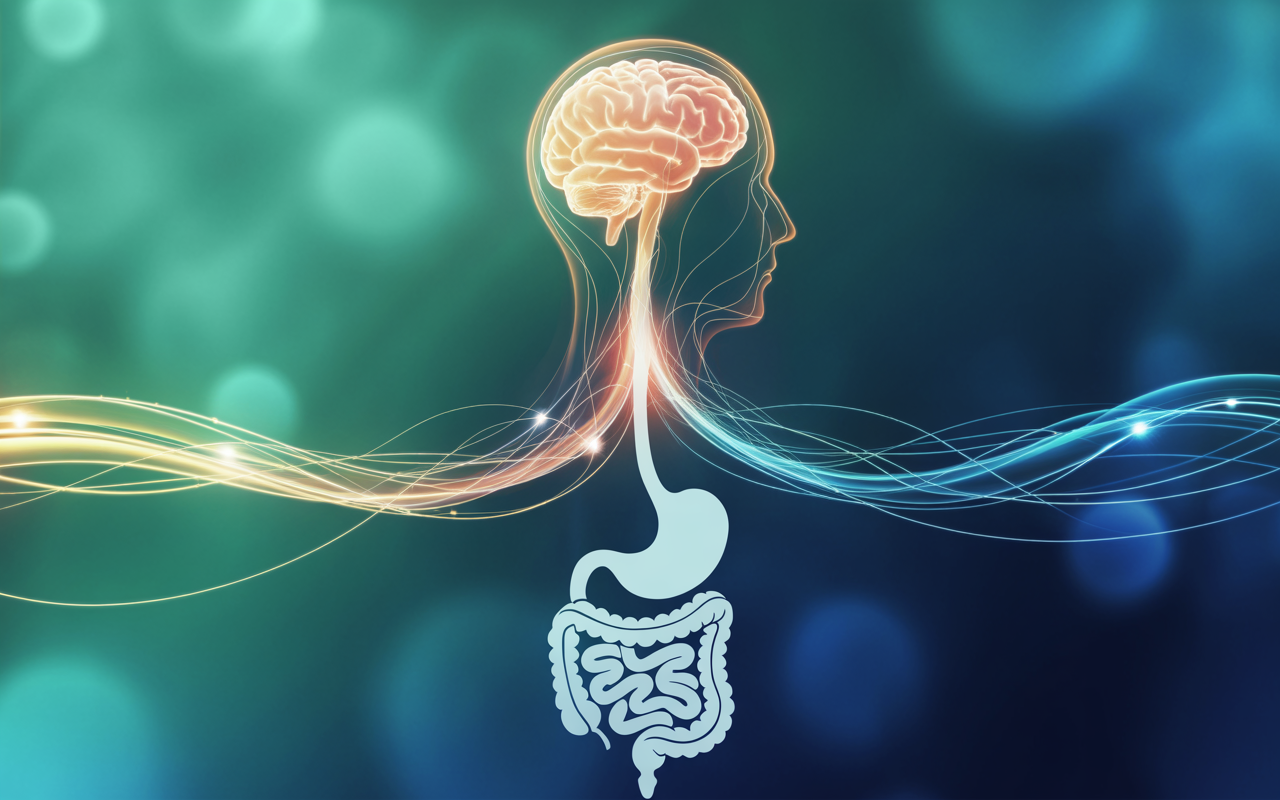
The Gut-Brain Axis: How Your Microbiome Shapes Your Mental Health
Medical Disclaimer: This article is for informational purposes only and does not constitute medical advice. Always consult with a qualified healthcare provider before making changes to your medications, supplements, or health regimen.
The idea that your gut and brain are in constant conversation may sound surprising, but science has confirmed it: a sophisticated two-way communication network called the gut-brain axis links your gastrointestinal tract directly to your central nervous system. Emerging research suggests that the trillions of microorganisms living in your gut — collectively known as the gut microbiome — play a profound role in regulating mood, anxiety, stress resilience, and even cognitive performance.
What Is the Gut-Brain Axis?
The gut-brain axis is a bidirectional signaling system that connects the enteric nervous system (ENS) of the gastrointestinal tract with the central nervous system (CNS). This network operates through multiple channels:
- The vagus nerve: The longest cranial nerve in the body, transmitting signals between the gut and the brain in both directions. Approximately 80–90% of vagal fibers carry information from the gut to the brain, not the other way around ([NIH, 2019](https://www.ncbi.nlm.nih.gov/pmc/articles/PMC6469458/)).
- Neurotransmitter production: Your gut microbiome produces or influences the production of key neurotransmitters, including serotonin, dopamine, GABA, and norepinephrine.
- The HPA axis: The hypothalamic-pituitary-adrenal axis governs your stress response, and gut bacteria directly modulate its activity.
- Immune signaling: About 70% of the immune system resides in the gut. Inflammatory cytokines produced in the gut can cross the blood-brain barrier and affect brain function.
- Reduced diversity of beneficial bacteria
- Lower levels of Lactobacillus and Bifidobacterium
- Higher levels of pro-inflammatory bacterial species
- Elevated intestinal permeability ("leaky gut"), allowing bacterial endotoxins to enter the bloodstream and trigger neuroinflammation
- Alters gut motility and intestinal permeability
- Reduces microbial diversity
- Increases populations of potentially harmful bacteria
- Elevates cortisol, which suppresses beneficial Lactobacillus species
- A 2017 randomized controlled trial found that a multi-strain probiotic supplement significantly reduced depression and anxiety scores in adults with major depressive disorder ([PubMed, 2017](https://pubmed.ncbi.nlm.nih.gov/28483500/)).
- A 2019 meta-analysis of 34 controlled trials concluded that probiotic supplementation significantly reduced depression and anxiety symptoms ([PubMed, 2019](https://pubmed.ncbi.nlm.nih.gov/31413081/)).
- Fermented foods: Yogurt, kefir, kimchi, sauerkraut, and miso introduce beneficial bacteria and have been associated with lower rates of anxiety and depression in population studies.
- Prebiotic fiber: Foods like garlic, onions, leeks, asparagus, and bananas feed beneficial bacteria and support short-chain fatty acid (SCFA) production, which reduces neuroinflammation.
- Polyphenol-rich foods: Blueberries, dark chocolate, green tea, and olive oil promote microbial diversity and have direct anti-inflammatory effects on the brain.
- Ultra-processed foods and added sugars promote dysbiosis and neuroinflammation.
- Unnecessary antibiotic use can devastate microbial diversity for months.
- Chronic alcohol consumption increases intestinal permeability and alters the microbiome composition.
The Microbiome's Role in Mood and Anxiety
Serotonin: The Gut's Neurotransmitter
Approximately 90–95% of the body's serotonin is produced in the gut, not the brain ([PubMed, 2015](https://pubmed.ncbi.nlm.nih.gov/25860609/)). Enterochromaffin cells in the gut lining synthesize serotonin in response to signals from gut bacteria. While gut-derived serotonin does not cross the blood-brain barrier directly, it regulates gut motility and sends signals via the vagus nerve that influence mood and emotional processing.
Specific bacterial strains — including Lactobacillus and Bifidobacterium species — have been shown to increase serotonin precursor availability and modulate serotonin receptor expression in the brain.
GABA and Anxiety Regulation
GABA (gamma-aminobutyric acid) is the brain's primary inhibitory neurotransmitter, responsible for calming neural activity and reducing anxiety. Research published in Nature Communications found that Lactobacillus rhamnosus produces GABA and reduces anxiety-like behavior in animal models by modulating GABA receptors in the brain via the vagus nerve ([PubMed, 2011](https://pubmed.ncbi.nlm.nih.gov/21876150/)).
Dysbiosis and Depression
Dysbiosis — an imbalance in the gut microbiome — has been consistently associated with depression and anxiety disorders. Studies comparing the gut microbiomes of depressed individuals with healthy controls have found:
A landmark 2019 study in Nature Microbiology found that two bacterial genera — Coprococcus and Dialister — were consistently depleted in people with depression, even after controlling for antidepressant use ([PubMed, 2019](https://pubmed.ncbi.nlm.nih.gov/30718927/)).
How Stress Disrupts the Gut Microbiome
The relationship between stress and gut health is circular. Chronic psychological stress:
This creates a feedback loop: stress damages the microbiome, and a damaged microbiome amplifies the stress response. Breaking this cycle is a key target of emerging mental health interventions.
Psychobiotics: Probiotics for Mental Health
The term psychobiotic was coined to describe live organisms that, when ingested in adequate amounts, produce a mental health benefit. Clinical trials have shown promising results:
Key Strains with Mental Health Evidence
| Strain | Potential Benefit |
|---|---|
| Lactobacillus helveticus R0052 | Reduces anxiety and cortisol |
| Bifidobacterium longum R0175 | Reduces psychological distress |
| Lactobacillus rhamnosus JB-1 | Modulates GABA, reduces anxiety |
| Lactobacillus acidophilus | Supports serotonin precursor availability |
Dietary Strategies to Support the Gut-Brain Axis
Feed Your Microbiome
Avoid Microbiome Disruptors
Practical Steps to Strengthen Your Gut-Brain Connection
1. Eat a diverse, plant-rich diet — aim for 30+ different plant foods per week to maximize microbial diversity.
2. Include fermented foods daily — even small amounts of yogurt or kefir can meaningfully shift microbiome composition.
3. Manage stress actively — mindfulness, exercise, and adequate sleep all protect the gut microbiome.
4. Consider a targeted probiotic — look for multi-strain formulas with clinical evidence for mental health outcomes.
5. Limit ultra-processed foods — these are among the most potent disruptors of gut microbial balance.
6. Track your symptoms — keeping a log of diet, mood, and digestive symptoms can reveal personal patterns.
The Future of Gut-Brain Medicine
The FDA has not yet approved any psychobiotic for the treatment of mental health conditions, but the field is advancing rapidly. Researchers are exploring fecal microbiota transplantation (FMT) for treatment-resistant depression, and several pharmaceutical companies are developing precision psychobiotics targeting specific bacterial pathways ([WHO, 2023](https://www.who.int/news-room/fact-sheets/detail/mental-disorders)).
Understanding your own microbiome — through dietary tracking, symptom monitoring, and lab markers like inflammatory markers (CRP, IL-6) — can provide actionable insights into your mental wellness.
---
Take Control of Your Health Data
Ready to cross-reference your medications, supplements, and lab results in one place? [Health Intelligence Analyzer](/) helps you identify potential interactions, flag abnormal lab values, and optimize your health regimen with AI-powered insights. Start your free analysis today.