Gut Health and the Microbiome: What Your Lab Results Reveal About Your Digestive Ecosystem
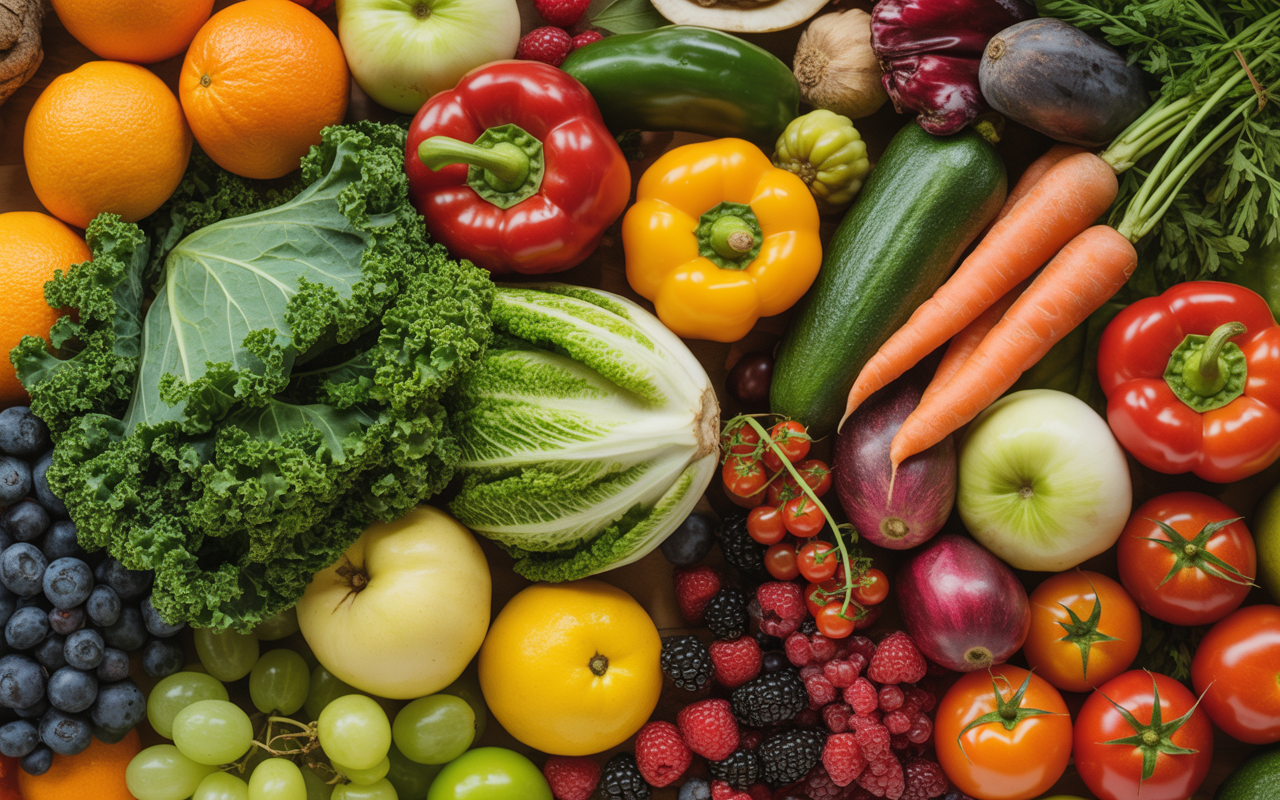
Gut Health and the Microbiome: What Your Lab Results Reveal About Your Digestive Ecosystem
Medical Disclaimer: This article is for informational purposes only and does not constitute medical advice. Always consult with a qualified healthcare provider before making changes to your medications, supplements, or health regimen.
The human gut is home to roughly 38 trillion microorganisms — bacteria, fungi, viruses, and archaea — collectively known as the gut microbiome. This vast internal ecosystem plays a central role in digestion, immune regulation, hormone metabolism, and even mood. Yet when most people receive their standard blood panel, they rarely think about what those numbers might be saying about the health of their gut.
The truth is, several routine lab markers can serve as indirect windows into your microbiome's state. Understanding these connections empowers you to take targeted action rather than guessing.
Why the Gut Microbiome Matters Beyond Digestion
Research over the past two decades has dramatically expanded our understanding of the gut-body axis. A balanced microbiome — one rich in diverse bacterial species — is associated with:
- Stronger immune defenses: Approximately 70% of the immune system resides in the gut-associated lymphoid tissue (GALT). Beneficial bacteria train immune cells to distinguish friend from foe.
- Better metabolic health: Gut bacteria ferment dietary fiber into short-chain fatty acids (SCFAs) like butyrate, which fuel colon cells and reduce systemic inflammation.
- Improved mental well-being: The gut-brain axis, mediated partly through the vagus nerve and neurotransmitter production (including ~90% of the body's serotonin), links microbiome diversity to mood and cognitive function.
- Efficient nutrient absorption: Certain bacteria synthesize B vitamins (B12, folate, B6) and vitamin K2, and help regulate mineral absorption.
- Optimal hs-CRP: < 1.0 mg/L
- Borderline: 1.0–3.0 mg/L
- High risk: > 3.0 mg/L
- Prebiotic-rich foods: Garlic, onions, leeks, asparagus, Jerusalem artichokes, green bananas
- Fermented foods: Yogurt with live cultures, kefir, sauerkraut, kimchi, miso, tempeh
- Polyphenol-rich foods: Berries, dark chocolate, green tea, extra-virgin olive oil — polyphenols selectively feed beneficial bacteria
- Antibiotics: Necessary when prescribed, but each course can reduce diversity for months. Always discuss probiotic co-administration with your provider.
- Proton pump inhibitors (PPIs): Long-term use alters gut pH and bacterial composition.
- Ultra-processed foods: High in emulsifiers and artificial sweeteners that disrupt the mucosal layer.
- Chronic stress: Elevates cortisol, which alters gut motility and bacterial balance.
- Lactobacillus rhamnosus GG — diarrhea prevention, immune support
- Bifidobacterium longum — reduces anxiety-related gut symptoms
- Saccharomyces boulardii — antibiotic-associated diarrhea, C. difficile prevention
- Akkermansia muciniphila — emerging evidence for metabolic health and gut barrier integrity
- hs-CRP every 3–6 months
- Fasting glucose and triglycerides annually
- B12, folate, and ferritin if you have absorption concerns
- CBC with differential for immune cell patterns
- The gut microbiome influences immune function, metabolism, mental health, and nutrient absorption — all of which show up in standard lab work.
- Elevated CRP, low B12/folate, persistent iron deficiency, and rising triglycerides or blood glucose can all be indirect signals of microbiome imbalance.
- A fiber-rich, diverse diet with fermented foods is the most evidence-based strategy for microbiome restoration.
- Minimize unnecessary antibiotics, PPIs, and ultra-processed foods to protect microbial diversity.
- Work with your healthcare provider to interpret lab trends in the context of your gut health history.
When the microbiome is disrupted — a state called dysbiosis — these benefits erode, and measurable changes can appear in your bloodwork.
Lab Markers That Hint at Microbiome Imbalance
1. C-Reactive Protein (CRP) and Inflammatory Markers
Elevated high-sensitivity CRP (hs-CRP) is one of the most common signs of systemic inflammation. Dysbiosis increases intestinal permeability (often called "leaky gut"), allowing bacterial endotoxins like lipopolysaccharide (LPS) to enter the bloodstream. LPS triggers a potent inflammatory response, driving CRP upward.
If your CRP is chronically elevated without an obvious cause (infection, injury), gut permeability is worth investigating.
2. Complete Blood Count (CBC) — White Blood Cell Differential
A persistently elevated white blood cell count, particularly monocytes and neutrophils, can reflect ongoing low-grade immune activation originating in the gut. Conversely, low lymphocyte counts may suggest immune suppression linked to poor microbiome diversity.
3. Vitamin B12 and Folate
Gut bacteria in the small intestine produce and help absorb B12 and folate. Dysbiosis — especially small intestinal bacterial overgrowth (SIBO) — can paradoxically cause both deficiency (poor absorption) and falsely elevated serum B12 (bacteria releasing B12 into the bloodstream). Low B12 or folate on a standard panel, especially without obvious dietary cause, warrants a gut health evaluation.
4. Ferritin and Iron Studies
Iron deficiency anemia that doesn't respond to supplementation is a classic red flag for gut malabsorption. Conditions like celiac disease, inflammatory bowel disease (IBD), and SIBO all impair iron absorption in the small intestine. If your ferritin remains low despite adequate dietary intake and supplementation, gut integrity should be assessed.
5. Lipid Panel — Triglycerides
Emerging research links gut microbiome composition to triglyceride metabolism. Certain bacterial species (e.g., Akkermansia muciniphila) are associated with lower triglycerides and better metabolic health. Elevated fasting triglycerides (> 150 mg/dL) alongside other metabolic markers may reflect a microbiome skewed toward fat-storing, inflammation-promoting species.
6. Blood Glucose and HbA1c
The microbiome influences insulin sensitivity through SCFA production and bile acid metabolism. Studies show that individuals with type 2 diabetes have measurably different microbiome compositions compared to metabolically healthy individuals. Creeping fasting glucose or HbA1c values — even within the "normal" range — can be early signals of microbiome-driven metabolic dysfunction.
Practical Steps to Support a Healthier Microbiome
Feed Your Bacteria First
Dietary fiber is the primary fuel for beneficial gut bacteria. Aim for 25–38 grams of fiber daily from diverse sources:
Minimize Microbiome Disruptors
Several common factors deplete microbiome diversity:
Consider Targeted Probiotics
Not all probiotics are equal. Evidence-backed strains include:
Track Your Lab Trends Over Time
Single lab values are snapshots; trends tell the real story. If you're making dietary changes to support gut health, monitor:
Key Takeaways
Your lab results are more than a checklist — they're a conversation between your body's systems. Learning to read the gut-health signals within them is a powerful step toward proactive, personalized wellness.
---
Take Control of Your Health Data
Ready to cross-reference your medications, supplements, and lab results in one place? [Health Intelligence Analyzer](/) helps you identify potential interactions, flag abnormal lab values, and optimize your health regimen with AI-powered insights. Start your free analysis today.