HbA1c Explained: What Your Blood Sugar Marker Really Means for Long-Term Health
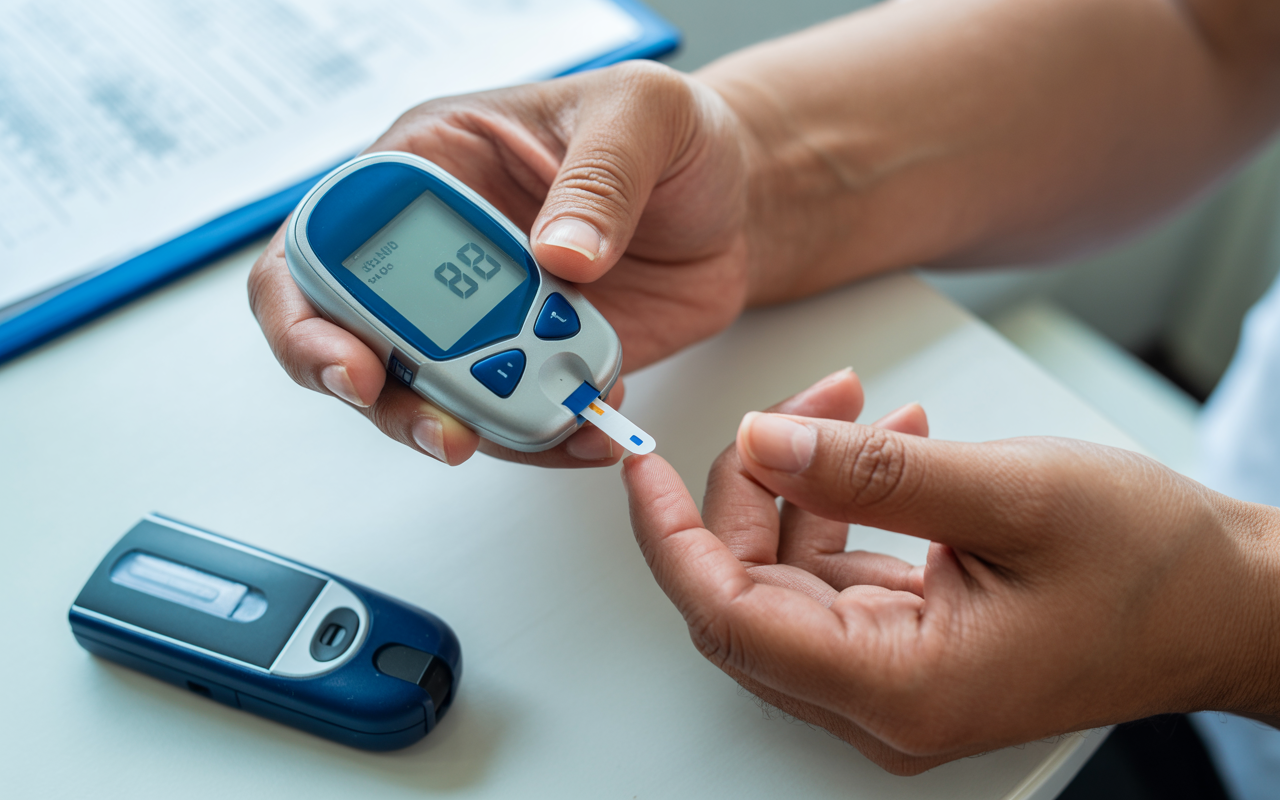
HbA1c Explained: What Your Blood Sugar Marker Really Means for Long-Term Health
Medical Disclaimer: This article is for informational purposes only and does not constitute medical advice. Always consult with a qualified healthcare provider before making changes to your medications, supplements, or health regimen.
If you've ever had a routine blood panel, chances are your doctor ordered an HbA1c test. It's one of the most commonly ordered lab markers—and one of the most misunderstood. Unlike a fasting glucose test that captures a single moment in time, HbA1c tells a much richer story: it reflects your average blood sugar levels over the past two to three months. That makes it an invaluable tool for assessing metabolic health, diagnosing prediabetes and type 2 diabetes, and tracking how well blood sugar management strategies are working.
What Is HbA1c and How Is It Measured?
HbA1c stands for glycated hemoglobin. When glucose circulates in your bloodstream, it binds to hemoglobin—the protein inside red blood cells that carries oxygen. The more glucose present over time, the more hemoglobin becomes glycated. Because red blood cells live for approximately 90 to 120 days, the HbA1c test captures a rolling average of blood sugar exposure across that entire window.
Results are expressed as a percentage:
- Below 5.7% — Normal range
- 5.7% to 6.4% — Prediabetes
- 6.5% or higher — Diabetes (confirmed with repeat testing)
- Below 7.0% — Target for most people already diagnosed with type 2 diabetes
- Increased cardiovascular risk: Higher HbA1c correlates with arterial stiffness, elevated LDL oxidation, and greater risk of heart attack and stroke.
- Cognitive decline: Chronic hyperglycemia is linked to accelerated brain aging and a higher risk of dementia.
- Kidney stress: The kidneys are among the first organs damaged by sustained high blood sugar, even before a formal diabetes diagnosis.
- Nerve damage: Peripheral neuropathy can begin developing in the prediabetic range.
- Inflammation: Elevated glucose drives glycation of proteins throughout the body, fueling systemic inflammation.
- Hemolytic anemia — Faster red blood cell turnover means less time for glycation
- Iron deficiency anemia — Can produce misleadingly low readings
- Recent blood transfusion — Introduces new, unglycated red blood cells
- Pregnancy — Especially in the second and third trimesters
- Iron deficiency without anemia — Older red blood cells accumulate more glycation
- Vitamin B12 or folate deficiency — Slows red blood cell production, aging existing cells
- Splenectomy — Removes the organ that clears old red blood cells
- Chronic kidney disease — Can interfere with the assay itself
- Reduce refined carbohydrates and added sugars — These cause rapid glucose spikes that accumulate over time.
- Prioritize fiber-rich foods — Vegetables, legumes, and whole grains slow glucose absorption and blunt post-meal spikes.
- Consider a lower-carbohydrate approach — Studies show low-carb and Mediterranean diets can reduce HbA1c by 0.5%–1.5% in people with prediabetes or type 2 diabetes.
- Time your meals — Eating within a consistent window (time-restricted eating) has shown promise for improving insulin sensitivity.
- Add vinegar or cinnamon strategically — Small amounts of apple cider vinegar before meals and cinnamon supplementation have modest but documented glucose-lowering effects.
- Resistance training — Building muscle mass increases glucose uptake independent of insulin, directly lowering blood sugar.
- Post-meal walks — Even a 10-minute walk after eating can reduce post-meal glucose spikes by 20–30%.
- High-intensity interval training (HIIT) — Shown to improve insulin sensitivity more efficiently than steady-state cardio.
- Prioritize 7–9 hours of sleep — Sleep deprivation impairs insulin sensitivity within days.
- Manage cortisol — Chronic stress elevates cortisol, which raises blood glucose. Mindfulness, yoga, and adequate rest all help.
- Berberine — Multiple studies show it can lower HbA1c comparably to metformin in some populations.
- Magnesium — Deficiency is strongly linked to insulin resistance; supplementation may improve glucose metabolism.
- Alpha-lipoic acid — An antioxidant that improves insulin sensitivity and reduces oxidative stress from high glucose.
- Chromium — Supports insulin receptor function; evidence is modest but consistent.
- Normal range, no risk factors: Every 3 years
- Prediabetes or risk factors (obesity, family history, PCOS): Every 6–12 months
- Diagnosed diabetes, stable: Every 3–6 months
- Diagnosed diabetes, adjusting treatment: Every 3 months
- Fasting insulin — Reveals insulin resistance even when glucose appears normal
- Fasting glucose — Complements HbA1c for a fuller picture
- Triglycerides and HDL — Elevated triglycerides and low HDL often accompany insulin resistance
- HOMA-IR — A calculated index of insulin resistance using fasting glucose and insulin
- Uric acid — Often elevated in metabolic syndrome alongside high HbA1c
- HbA1c reflects average blood sugar over 2–3 months and is a critical marker for metabolic health
- Values above 5.7% signal prediabetes; above 6.5% indicates diabetes
- Even high-normal HbA1c carries cardiovascular, cognitive, and kidney risks
- Certain medical conditions can falsely raise or lower results
- Diet, exercise, sleep, and targeted supplements can meaningfully reduce HbA1c within 90 days
- Always interpret HbA1c alongside fasting insulin, glucose, and lipid markers for the full picture
For context, an HbA1c of 5.7% corresponds to an estimated average glucose (eAG) of about 117 mg/dL, while an HbA1c of 7.0% corresponds to roughly 154 mg/dL.
Why HbA1c Matters Beyond Diabetes Diagnosis
Many people assume HbA1c is only relevant if they already have diabetes. In reality, even values in the high-normal range (5.4%–5.6%) can signal early metabolic stress that warrants attention. Research consistently shows that elevated HbA1c—even below the diabetic threshold—is associated with:
Factors That Affect HbA1c Accuracy
HbA1c is a reliable marker for most people, but several conditions can skew results:
Conditions That Falsely Lower HbA1c
Conditions That Falsely Raise HbA1c
If any of these apply to you, your provider may order a fructosamine test or continuous glucose monitoring instead for a more accurate picture.
Practical Strategies to Lower HbA1c
The good news: HbA1c is highly modifiable. Even modest lifestyle changes can produce meaningful reductions within 90 days.
Dietary Approaches
Exercise and Movement
Sleep and Stress Management
Supplements With Evidence
> Important: Always discuss supplements with your healthcare provider, especially if you take blood sugar medications—combining them can cause hypoglycemia.
How Often Should You Test HbA1c?
Reading Your HbA1c in Context
HbA1c is most powerful when interpreted alongside other metabolic markers:
A single HbA1c result is a starting point, not the whole story. Trends over time matter more than any single value.
Key Takeaways
---
Take Control of Your Health Data
Ready to cross-reference your medications, supplements, and lab results in one place? [Health Intelligence Analyzer](/) helps you identify potential interactions, flag abnormal lab values, and optimize your health regimen with AI-powered insights. Start your free analysis today.