Iron Studies Interpretation: What Your Ferritin, Serum Iron, and TIBC Results Mean
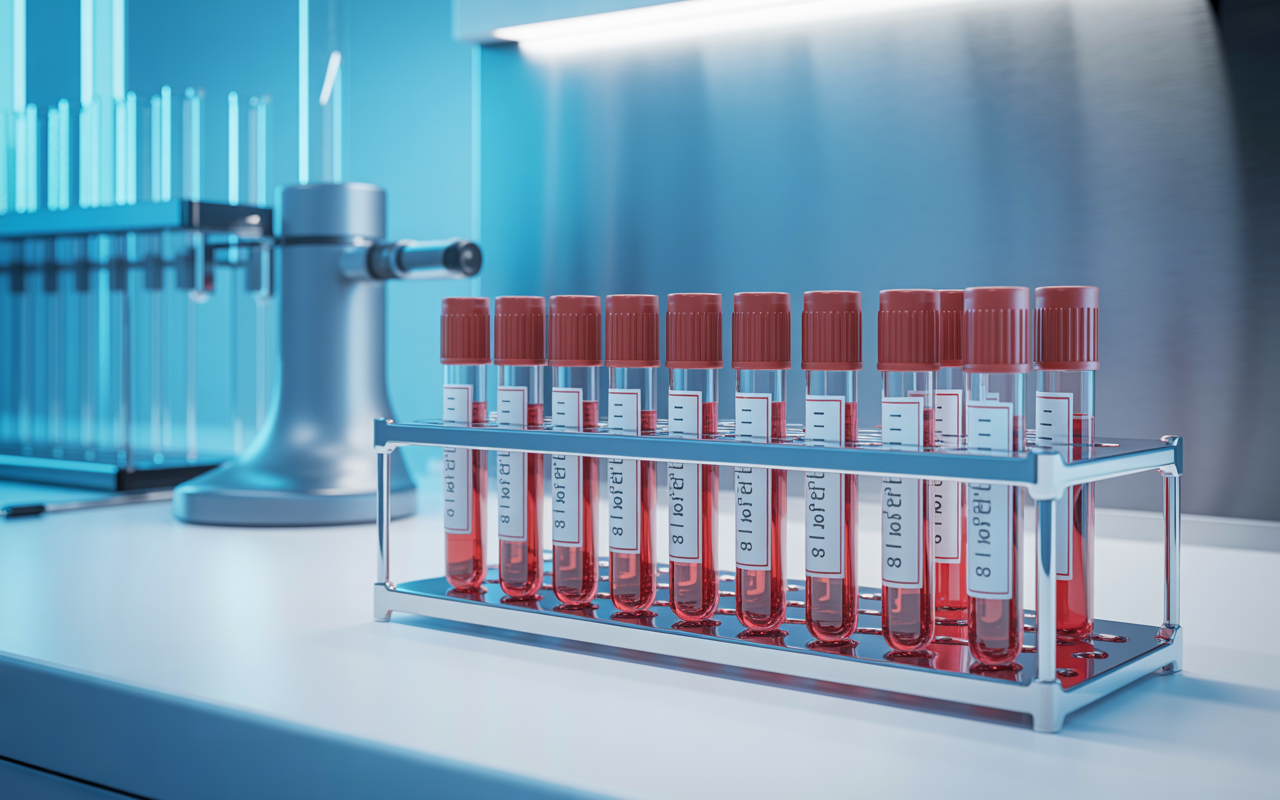
Iron Studies Interpretation: What Your Ferritin, Serum Iron, and TIBC Results Mean
Medical Disclaimer: This article is for informational purposes only and does not constitute medical advice. Always consult with a qualified healthcare provider before making changes to your medications, supplements, or health regimen.
Iron is one of the most essential minerals in the human body, playing a central role in oxygen transport, energy production, and immune function. Yet iron-related disorders—ranging from deficiency to overload—are among the most common and most misdiagnosed conditions worldwide. A standard iron panel includes several markers that, when read together, paint a detailed picture of your iron status. Understanding each marker individually and in context can help you have more informed conversations with your healthcare provider.
What Is an Iron Panel?
An iron panel (also called iron studies) typically includes four key measurements:
- Serum Iron – the amount of iron circulating in your blood
- Ferritin – a protein that stores iron; reflects your body's iron reserves
- Total Iron-Binding Capacity (TIBC) – measures how well your blood can transport iron
- Transferrin Saturation (TSAT) – the percentage of transferrin (the transport protein) that is carrying iron
- Low serum iron can indicate iron deficiency, chronic disease, or poor dietary intake
- High serum iron may suggest iron overload, hemochromatosis, or liver disease
- Normal range: approximately 12–300 ng/mL for men; 12–150 ng/mL for women (ranges vary by lab)
- Low ferritin (below 12 ng/mL) is a reliable indicator of iron deficiency, even before anemia develops
- High ferritin can indicate iron overload, but also inflammation, liver disease, or metabolic syndrome—since ferritin is an acute-phase reactant
- Normal range: approximately 250–370 mcg/dL
- High TIBC typically indicates iron deficiency—your body upregulates transferrin production to capture more iron
- Low TIBC may suggest iron overload, chronic inflammation, or liver disease
- Normal range: 20–50%
- Below 20% suggests iron deficiency or functional iron deficiency (iron is present but not being used properly)
- Above 50% raises concern for iron overload conditions like hereditary hemochromatosis
- Low serum iron
- Low ferritin
- High TIBC
- Low TSAT
- Low to normal serum iron
- Normal to high ferritin
- Low to normal TIBC
- Low TSAT
- High serum iron
- High ferritin
- Low TIBC
- High TSAT (often above 45–50%)
- Don't rely on serum iron alone. Always request a full iron panel including ferritin and TIBC for a complete picture.
- Ferritin can be falsely elevated during illness, infection, or inflammation—always interpret it alongside other markers and clinical context.
- Symptoms matter. Fatigue, brain fog, hair thinning, cold intolerance, and restless legs can all be signs of suboptimal iron status even when labs appear "normal."
- Timing matters. Draw iron studies in the morning, fasted, for the most accurate serum iron reading.
- Recheck after supplementation. If you begin iron supplementation, recheck your panel in 8–12 weeks to assess response and avoid overshooting into excess.
- Genetic testing may be warranted. If TSAT is consistently elevated above 45%, ask your provider about HFE gene testing for hereditary hemochromatosis.
- Your ferritin is below 30 ng/mL and you have symptoms of deficiency
- Your TSAT is above 45% on repeated testing
- You have unexplained fatigue, shortness of breath, or pallor
- You are pregnant, planning pregnancy, or have heavy menstrual cycles
- You have a family history of hemochromatosis or iron overload disorders
These markers are rarely interpreted in isolation. A single abnormal value can be misleading; the pattern across all four tells the real story.
Understanding Each Marker
Serum Iron
Serum iron measures the iron currently bound to transferrin in your bloodstream. Normal ranges typically fall between 60–170 mcg/dL for adults, though labs may vary slightly.
Importantly, serum iron fluctuates significantly throughout the day—it's highest in the morning and can drop by up to 30% in the afternoon. For this reason, iron panels are ideally drawn in a fasted, morning state.
Ferritin
Ferritin is often considered the most clinically useful marker in an iron panel. It reflects your body's stored iron and is a more stable indicator than serum iron alone.
Key insight: A ferritin level in the low-normal range (12–30 ng/mL) may still be functionally deficient for many people, particularly those experiencing fatigue, hair loss, or poor exercise recovery. Some functional medicine practitioners consider optimal ferritin to be above 50–70 ng/mL.
Total Iron-Binding Capacity (TIBC)
TIBC measures the maximum amount of iron your blood could carry if all transferrin were fully saturated. Think of it as the "capacity" of your iron transport system.
Transferrin Saturation (TSAT)
TSAT is calculated as: (Serum Iron ÷ TIBC) × 100
Reading the Pattern: Common Iron Panel Scenarios
Classic Iron Deficiency Anemia
This pattern is the hallmark of true iron deficiency. The body is depleted of iron stores and is compensating by increasing its iron-transport capacity.
Anemia of Chronic Disease (ACD)
In ACD, iron is sequestered in storage sites due to inflammation. Ferritin appears normal or elevated (because it's an inflammatory marker), but iron isn't being delivered effectively to red blood cell production. This is why treating ACD with iron supplementation alone is often ineffective.
Hereditary Hemochromatosis (Iron Overload)
Hemochromatosis is a genetic condition where the body absorbs too much iron. Left untreated, excess iron deposits in organs including the liver, heart, and pancreas, causing serious damage. Early detection through iron studies is critical.
Practical Takeaways
When to Talk to Your Doctor
You should discuss your iron panel results with a healthcare provider if:
Iron disorders are highly treatable when caught early—but the treatment differs dramatically depending on whether you're deficient or overloaded. Getting the full picture from your iron studies is the essential first step.
---
Take Control of Your Health Data
Ready to cross-reference your medications, supplements, and lab results in one place? [Health Intelligence Analyzer](/) helps you identify potential interactions, flag abnormal lab values, and optimize your health regimen with AI-powered insights. Start your free analysis today.