Liver Function Tests Explained: What Your ALT, AST, and Bilirubin Results Really Mean
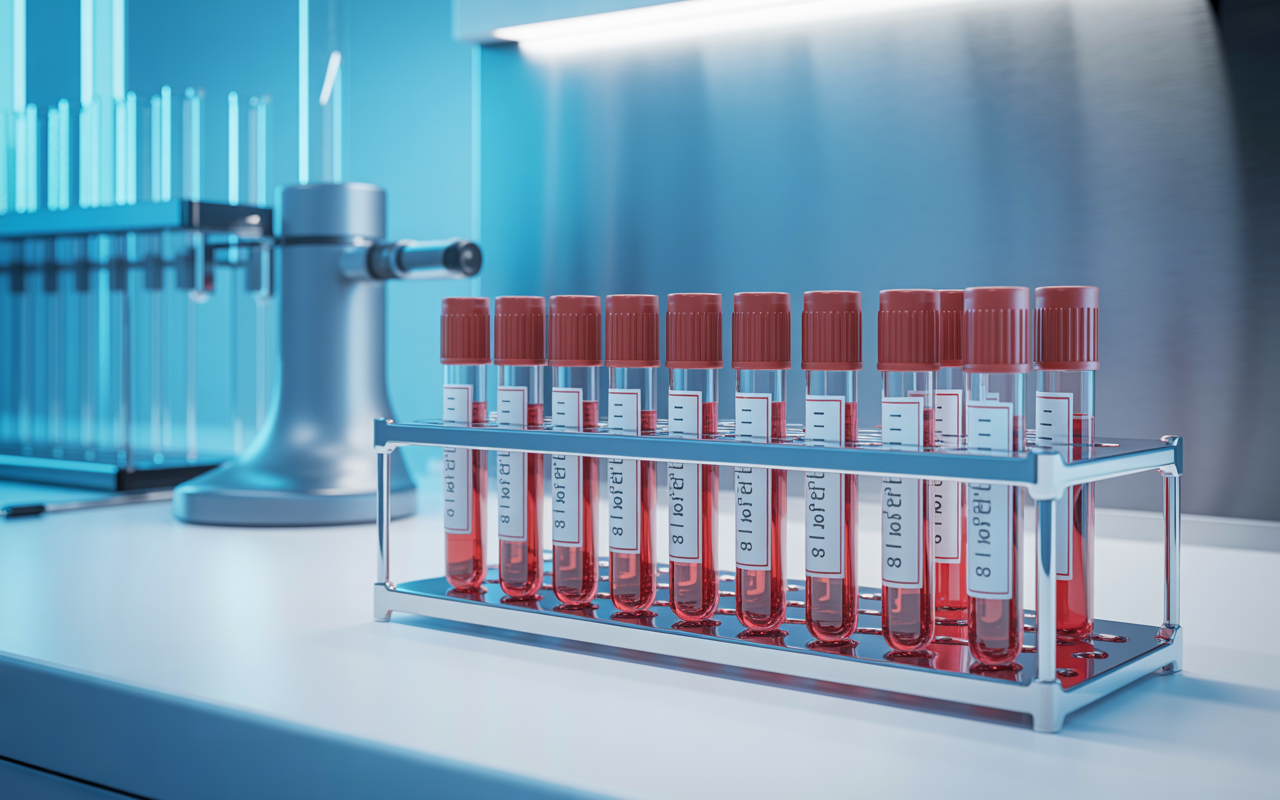
Liver Function Tests Explained: What Your ALT, AST, and Bilirubin Results Really Mean
Medical Disclaimer: This article is for informational purposes only and does not constitute medical advice. Always consult with a qualified healthcare provider before making changes to your medications, supplements, or health regimen.
Your liver is one of the hardest-working organs in your body—filtering toxins, metabolizing medications, producing bile for digestion, and synthesizing proteins essential for blood clotting. Yet most people only think about their liver when something goes wrong. A liver function panel (also called a hepatic panel or LFTs) gives your doctor a window into how well this vital organ is performing. Understanding what each marker means can help you have more informed conversations with your healthcare provider and catch potential problems early.
What Is a Liver Function Panel?
A standard liver function panel typically includes several enzymes and proteins that reflect different aspects of liver health. These markers are measured from a simple blood draw and are often included in a comprehensive metabolic panel (CMP). The key markers are:
- ALT (Alanine Aminotransferase)
- AST (Aspartate Aminotransferase)
- ALP (Alkaline Phosphatase)
- GGT (Gamma-Glutamyl Transferase)
- Total Bilirubin and Direct Bilirubin
- Albumin
- Total Protein
- Normal range: Approximately 7–56 U/L (varies by lab)
- Mildly elevated (1–3x normal): May indicate fatty liver disease (NAFLD), mild hepatitis, or medication effects
- Moderately elevated (3–10x normal): Suggests more significant liver inflammation—viral hepatitis, alcoholic liver disease, or drug-induced liver injury
- Severely elevated (>10x normal): Points to acute hepatitis, ischemic liver injury, or toxic exposure
- An AST:ALT ratio > 2:1 is a classic pattern in alcoholic liver disease
- An AST:ALT ratio < 1 is more typical of non-alcoholic fatty liver disease (NAFLD)
- Isolated AST elevation may point to muscle damage rather than liver disease
- Normal range: Approximately 44–147 U/L
- Elevated ALP alongside elevated GGT strongly suggests a liver or bile duct origin
- Elevated ALP with normal GGT may indicate bone disease (Paget's disease, bone metastases)
- Common causes of elevated ALP include gallstones, primary biliary cholangitis, and certain medications
- Normal range: Approximately 9–48 U/L
- GGT is often the first marker to rise with alcohol use—even moderate, regular drinking can push GGT above normal
- Elevated GGT alongside elevated ALP confirms a hepatic (liver/bile duct) source
- Medications such as phenytoin, carbamazepine, and barbiturates can raise GGT without true liver damage
- Total bilirubin normal range: 0.1–1.2 mg/dL
- Direct (conjugated) bilirubin elevation suggests the liver is struggling to excrete bilirubin—seen in bile duct obstruction or hepatocellular disease
- Indirect (unconjugated) bilirubin elevation suggests increased red blood cell breakdown (hemolysis) or impaired uptake by liver cells
- Jaundice (yellowing of skin and eyes) typically appears when total bilirubin exceeds 2.5–3 mg/dL
- Normal albumin range: 3.5–5.0 g/dL
- Low albumin can also result from malnutrition, kidney disease (protein loss), or chronic inflammation
- Total protein includes albumin plus globulins; a low albumin with normal total protein may suggest elevated globulins (seen in autoimmune liver disease)
- Statins (e.g., atorvastatin, rosuvastatin)
- Acetaminophen (especially in high doses or with alcohol)
- NSAIDs (ibuprofen, naproxen)
- Antibiotics (amoxicillin-clavulanate, fluoroquinolones)
- Antiepileptics (valproate, phenytoin)
- Methotrexate and other immunosuppressants
- High-dose vitamin A
- Kava kava
- Green tea extract (EGCG in concentrated form)
- Anabolic steroids and some bodybuilding supplements
- Certain herbal blends (comfrey, pyrrolizidine alkaloids)
- Don't panic over mildly elevated results. A single mildly elevated ALT or AST often resolves on its own and may reflect temporary muscle strain, a recent illness, or a heavy meal.
- Context matters. Always interpret LFTs alongside your symptoms, medications, alcohol use, and other lab values.
- Trends are more informative than single values. A rising ALT over several months is more concerning than a one-time mild elevation.
- Repeat testing is standard. Most providers will repeat an abnormal LFT in 4–8 weeks before pursuing further workup.
- Lifestyle factors matter. Reducing alcohol, maintaining a healthy weight, and avoiding unnecessary supplements can normalize mildly elevated liver enzymes in many cases.
- Cross-reference your medications. Always inform your provider of every supplement and over-the-counter medication you take—many people don't realize these can affect liver markers.
Each of these tells a slightly different story about what's happening inside your liver.
Breaking Down Each Liver Marker
ALT (Alanine Aminotransferase)
ALT is the most liver-specific enzyme on the panel. It is primarily found in liver cells, so when liver cells are damaged or inflamed, ALT leaks into the bloodstream and levels rise.
AST (Aspartate Aminotransferase)
AST is found in the liver but also in heart muscle, skeletal muscle, and red blood cells. It is less liver-specific than ALT, but the AST:ALT ratio is a useful diagnostic clue.
ALP (Alkaline Phosphatase)
ALP is found in the liver, bile ducts, and bones. Elevated ALP often signals a problem with bile flow (cholestasis) rather than liver cell damage.
GGT (Gamma-Glutamyl Transferase)
GGT is a sensitive marker for liver stress and is particularly responsive to alcohol consumption and certain medications.
Bilirubin
Bilirubin is a yellow pigment produced when red blood cells break down. The liver processes bilirubin and excretes it in bile.
Albumin and Total Protein
Albumin is a protein made exclusively by the liver. Low albumin reflects reduced liver synthetic function—a sign of chronic or severe liver disease.
Common Patterns and What They Suggest
| Pattern | Likely Cause |
|---|---|
| Elevated ALT + AST, normal ALP | Hepatocellular damage (hepatitis, NAFLD, medications) |
| Elevated ALP + GGT, mild ALT/AST | Cholestatic disease (bile duct obstruction, PBC) |
| AST:ALT > 2:1 | Alcoholic liver disease |
| Elevated bilirubin + low albumin | Advanced liver dysfunction |
| Isolated GGT elevation | Alcohol use, enzyme-inducing medications |
Medications and Supplements That Affect Liver Markers
Many common medications and supplements can elevate liver enzymes—sometimes without causing actual liver damage (a phenomenon called "adaptive response"), and sometimes as a warning sign of drug-induced liver injury (DILI).
Medications commonly associated with elevated LFTs:
Supplements with hepatotoxic potential:
If you are taking any of these and notice elevated liver enzymes, discuss with your provider before stopping or continuing.
Practical Takeaways
---
Take Control of Your Health Data
Ready to cross-reference your medications, supplements, and lab results in one place? [Health Intelligence Analyzer](/) helps you identify potential interactions, flag abnormal lab values, and optimize your health regimen with AI-powered insights. Start your free analysis today.