Medication Adherence: Why Skipping Doses Is More Dangerous Than You Think
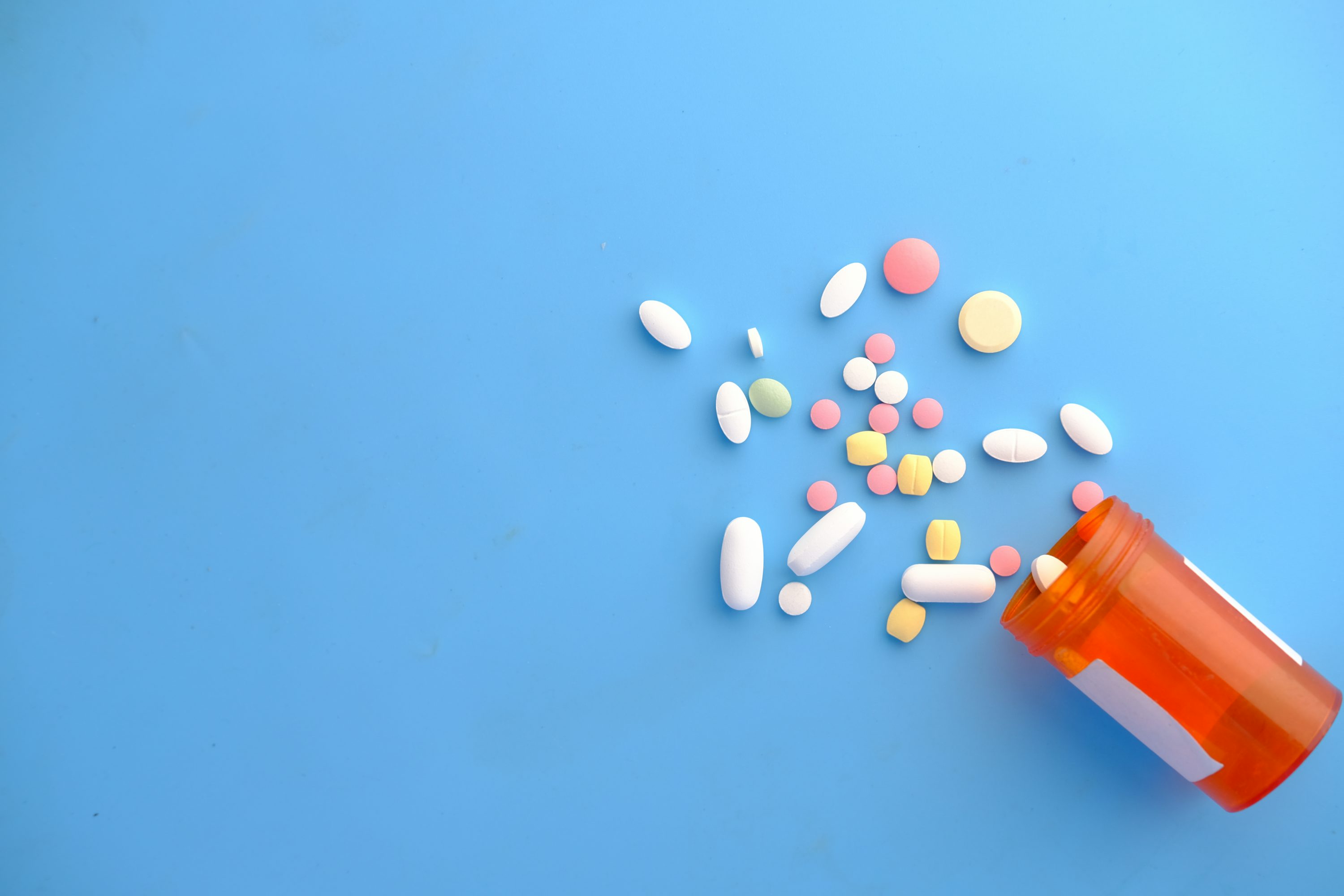
Medication Adherence: Why Skipping Doses Is More Dangerous Than You Think
Medical Disclaimer: This article is for informational purposes only and does not constitute medical advice. Always consult with a qualified healthcare provider before making changes to your medications, supplements, or health regimen.
You've been prescribed a medication. You fill the prescription, take it for a few days, start feeling better — and then life gets busy. You miss a dose. Then another. Before long, the bottle sits untouched on your nightstand. Sound familiar?
You're not alone. According to the [World Health Organization (WHO)](https://www.who.int/chp/knowledge/publications/adherence_report/en/), approximately 50% of patients with chronic diseases do not take their medications as prescribed. And the consequences are far more serious than most people realize.
The Hidden Cost of Non-Adherence
Medication non-adherence is a silent epidemic. The [New England Journal of Medicine](https://www.nejm.org/) and multiple public health analyses estimate that poor adherence contributes to:
- 125,000 deaths per year in the United States alone
- 10–25% of hospitalizations annually
- Over $100–$300 billion in avoidable healthcare costs each year
- Accelerated disease progression in conditions like hypertension, diabetes, HIV, and heart failure
- Side effect concerns: Fear of adverse effects, or actual side effects that make the medication unpleasant
- Feeling better: Once symptoms resolve, patients often believe they no longer need the medication
- Cost: High out-of-pocket costs lead many patients to ration or skip doses
- Skepticism: Doubts about whether the medication is actually working
- Forgetfulness: The most commonly cited reason, especially for once-daily or complex regimens
- Complex schedules: Multiple medications with different timing requirements create confusion
- Refill gaps: Running out of medication before the next appointment or refill
- Cognitive or physical barriers: Difficulty opening packaging, reading labels, or remembering instructions
- Rebound effects (e.g., blood pressure spikes)
- Withdrawal symptoms (e.g., SSRI discontinuation syndrome)
- Loss of therapeutic effect (e.g., viral rebound in HIV treatment)
- Medication reminder apps: Apps like Medisafe, MyTherapy, and CareZone send push notifications at scheduled times
- Smart pill bottles: Devices like AdhereTech bottles track when the bottle is opened and send reminders if it hasn't been
- Electronic health records (EHR) portals: Many patient portals now include medication tracking and refill reminders
- Generic substitutions: Ask your pharmacist if a generic equivalent is available
- Patient assistance programs: Most major pharmaceutical manufacturers offer programs for low-income patients
- GoodRx and similar discount platforms: Can reduce costs by 40–80% at participating pharmacies
- 90-day supplies: Often cheaper per dose than 30-day fills
- What condition this medication treats
- How long it takes to work
- What happens if you stop taking it
- What lab markers or symptoms indicate it's working
- HbA1c for diabetes medications: A rising HbA1c despite a stable prescription may signal missed doses
- INR for warfarin: Fluctuating INR values can indicate inconsistent dosing
- Viral load for HIV antiretrovirals: Detectable viral load in a patient on ART is a red flag for non-adherence
- Drug level monitoring: Some medications (e.g., lithium, digoxin, certain antibiotics) have therapeutic drug monitoring to confirm adequate levels
- Motivational interviewing: A technique used by clinicians to explore and resolve ambivalence about taking medications
- Teach-back method: Patients repeat instructions back to confirm understanding
- Regular medication reviews: Periodic reconciliation of all medications to identify unnecessary drugs, interactions, or simplification opportunities
- Pharmacist consultations: Pharmacists are an underutilized resource for adherence counseling and medication management
- Non-adherence affects 50% of chronic disease patients and contributes to 125,000 US deaths annually
- Missed doses can cause rebound effects, withdrawal, or disease progression depending on the drug
- Simplifying regimens, using reminders, habit stacking, and addressing cost barriers are proven strategies
- Lab results can serve as objective adherence monitors for many conditions
- Open communication with your healthcare team is the most powerful adherence tool available
For chronic conditions, the stakes are especially high. A patient with hypertension who skips their antihypertensive medication even a few days per week may experience blood pressure spikes that dramatically increase stroke and heart attack risk — even if their average readings look acceptable.
Why People Skip Doses: The Real Reasons
Understanding why non-adherence happens is the first step to solving it. Research published in [Patient Preference and Adherence (NIH/PubMed)](https://www.ncbi.nlm.nih.gov/pmc/articles/PMC3798308/) identifies several key barriers:
Intentional Non-Adherence
Unintentional Non-Adherence
The Pharmacology of Missed Doses
Not all missed doses carry equal risk. The impact depends on the drug's half-life — the time it takes for the body to eliminate half of the drug's concentration.
Short Half-Life Medications (High Risk)
Drugs like certain antidepressants (e.g., venlafaxine), antiretrovirals, and some blood pressure medications have short half-lives. Missing even one dose can cause plasma levels to drop significantly, leading to:
Long Half-Life Medications (More Forgiving)
Drugs like fluoxetine (Prozac) or certain statins have longer half-lives, meaning a single missed dose has less immediate impact. However, chronic inconsistency still undermines long-term outcomes.
Proven Strategies to Improve Medication Adherence
The good news: adherence is a behavior that can be systematically improved. Here are evidence-based strategies from clinical research:
1. Simplify Your Regimen
Work with your prescriber to consolidate medications where possible. Research shows that once-daily dosing significantly improves adherence compared to twice- or three-times-daily regimens. Ask your doctor if extended-release formulations are available for your medications.
2. Use Pill Organizers and Blister Packs
A simple weekly pill organizer provides a visual cue — if the compartment is still full, you haven't taken your dose. Pharmacies increasingly offer blister pack dispensing (also called unit-dose packaging), which pre-sorts medications by day and time.
3. Leverage Technology
4. Tie Medications to Daily Habits
Behavioral science supports habit stacking — linking a new behavior to an existing routine. Take your morning medication with your first cup of coffee. Take your evening dose when you brush your teeth. The existing habit serves as a reliable trigger.
5. Address Cost Barriers Proactively
If cost is a barrier, don't silently ration your medication. Options include:
6. Communicate Side Effects to Your Provider
Many patients stop medications due to side effects without telling their doctor. This is a missed opportunity — often, the dose can be adjusted, the timing changed, or an alternative medication prescribed. The [FDA's MedWatch program](https://www.fda.gov/safety/medwatch-fda-safety-information-and-adverse-event-reporting-program) also allows patients to report adverse effects directly.
7. Understand Why You're Taking Each Medication
Patients who understand the purpose and mechanism of their medications are significantly more adherent. Ask your provider or pharmacist to explain:
Monitoring Adherence Through Lab Results
For some medications, lab tests can indirectly confirm adherence:
Tracking these markers over time gives both patients and providers objective data about whether a regimen is being followed — and whether it's working.
Building a Partnership with Your Healthcare Team
Medication adherence is not just a patient responsibility — it's a shared goal between patients and providers. Effective strategies include:
Key Takeaways
---
Take Control of Your Health Data
Ready to cross-reference your medications, supplements, and lab results in one place? [Health Intelligence Analyzer](/) helps you identify potential interactions, flag abnormal lab values, and optimize your health regimen with AI-powered insights. Start your free analysis today.