Medication Storage and Stability: How Improper Storage Silently Undermines Your Treatment
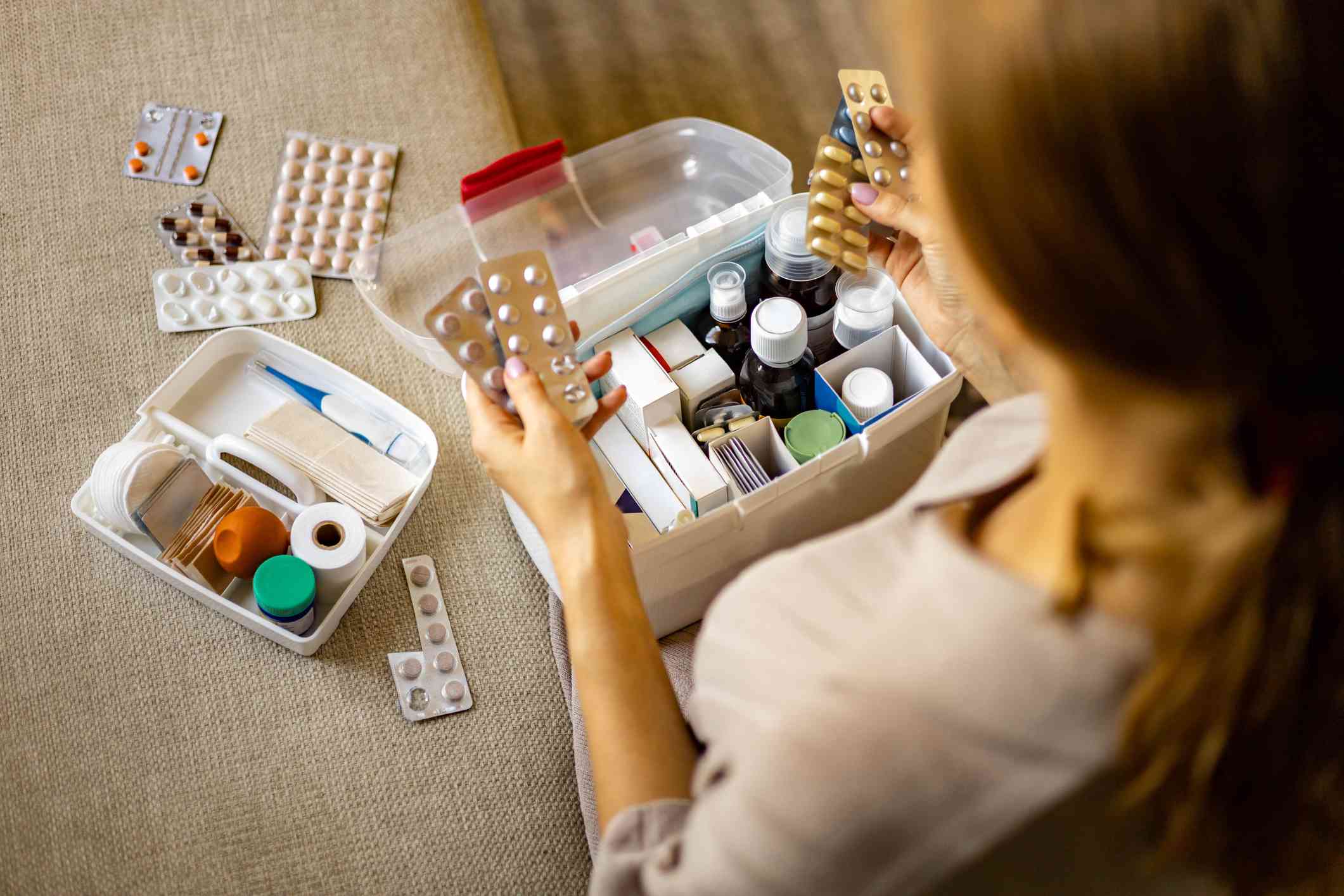
Medication Storage and Stability: How Improper Storage Silently Undermines Your Treatment
Medical Disclaimer: This article is for informational purposes only and does not constitute medical advice. Always consult with a qualified healthcare provider before making changes to your medications, supplements, or health regimen.
You take your medication faithfully every day, yet your condition isn't improving as expected. One often-overlooked culprit? Improper medication storage. Research shows that temperature, humidity, and light exposure can significantly degrade drug potency — sometimes rendering medications ineffective or even harmful — long before their printed expiration date. This guide breaks down the science of drug stability and gives you actionable rules to protect your treatments.
Why Medication Storage Matters
Pharmaceutical drugs are complex chemical compounds. Their therapeutic activity depends on maintaining precise molecular structures. When exposed to heat, moisture, light, or oxygen, these structures can break down through processes including:
- Hydrolysis: Water molecules cleave chemical bonds, degrading active ingredients (common in aspirin, penicillins, and esters)
- Oxidation: Oxygen reacts with drug molecules, reducing potency (affects vitamins C and E, epinephrine, and many antibiotics)
- Photodegradation: UV and visible light break molecular bonds (affects tetracyclines, nifedipine, and furosemide)
- Thermal decomposition: Heat accelerates all chemical reactions, speeding up degradation
- Tablets or capsules: Unusual discoloration, crumbling, stickiness, or an unusual odor
- Liquids: Cloudiness, color changes, separation, or unusual smell
- Creams and ointments: Separation of oil and water phases, unusual texture or color
- Eye drops: Cloudiness or visible particles
- Audit your storage locations — move anything from the bathroom to a cool, dry alternative
- Check labels for specific storage instructions every time you fill a new prescription
- Use a thermometer in your medication storage area to ensure it stays within the controlled room temperature range
- Keep a medication log noting fill dates, so you can track how long medications have been open
- Ask your pharmacist about any medication you're unsure about — they are an underutilized resource for storage questions
- Review expiration dates quarterly and dispose of expired medications promptly
A landmark study published in the Journal of Pharmaceutical Sciences found that medications stored in bathroom medicine cabinets — a common practice — degraded significantly faster than those stored in cool, dry locations, due to the heat and humidity generated by showers ([NCBI](https://www.ncbi.nlm.nih.gov/pmc/articles/PMC7491574/)).
The Most Dangerous Storage Mistakes
1. The Bathroom Medicine Cabinet
Despite its name, the bathroom is one of the worst places to store medications. Steam from showers and baths creates a high-humidity environment that accelerates hydrolysis and promotes microbial growth in liquid formulations. The FDA explicitly advises against storing most medications in bathrooms ([FDA Drug Disposal Guidelines](https://www.fda.gov/drugs/safe-disposal-medicines/disposal-unused-medicines-what-you-should-know)).
Better alternatives: A bedroom dresser drawer, a kitchen cabinet away from the stove and sink, or a dedicated medication lockbox in a cool, dry area.
2. Leaving Medications in a Hot Car
Vehicle interiors can reach temperatures exceeding 130°F (54°C) on a hot day. This level of heat can rapidly degrade insulin, nitroglycerin, epinephrine auto-injectors (EpiPens), and many other temperature-sensitive drugs. A study in the Annals of Emergency Medicine documented significant potency loss in epinephrine auto-injectors exposed to high temperatures for even short periods.
Key rule: Never leave medications in a parked car, especially in warm weather.
3. Freezing Medications That Shouldn't Be Frozen
While some medications (certain insulins, some liquid antibiotics) require refrigeration, freezing can destroy others. Liquid formulations can separate or crystallize; some tablets crack and lose their controlled-release coatings. Always check the label — "refrigerate" does not mean "freeze."
4. Removing Medications from Original Packaging
Original packaging is engineered for stability. Amber-colored bottles block light. Desiccant packets in pill bottles absorb moisture. Blister packs protect individual doses from air and humidity until the moment of use. Transferring medications to pill organizers exposes them to environmental factors that can accelerate degradation — particularly problematic for medications taken over weeks or months.
Temperature Guidelines by Medication Type
The United States Pharmacopeia (USP) defines standard storage conditions that manufacturers use when establishing expiration dates:
| Storage Condition | Temperature Range |
|---|---|
| Controlled Room Temperature | 68–77°F (20–25°C) |
| Cool | 46–59°F (8–15°C) |
| Refrigerated | 36–46°F (2–8°C) |
| Frozen | -13 to 14°F (-25 to -10°C) |
Medications stored outside their specified range may degrade faster than the expiration date accounts for. The WHO's guidelines on medicine storage emphasize that even brief excursions outside recommended temperature ranges can meaningfully reduce drug stability ([WHO Essential Medicines](https://www.who.int/publications/i/item/9789241549653)).
High-Risk Medications That Require Extra Care
Certain drug classes are especially vulnerable to improper storage:
Insulin and Biologics
Insulin is a protein that denatures (loses its structure) when exposed to heat or freezing. Unopened insulin should be refrigerated; opened vials or pens can typically be kept at room temperature for 28–30 days. Biologics like adalimumab (Humira) and etanercept (Enbrel) require continuous refrigeration and should never be frozen.
Nitroglycerin
This cardiac medication is notoriously unstable. It should be stored in its original dark glass container, tightly capped, away from heat and light. Even body heat from a pocket can degrade it. The NIH recommends replacing nitroglycerin tablets every 6 months ([NIH MedlinePlus](https://medlineplus.gov/druginfo/meds/a682346.html)).
Liquid Antibiotics
Many liquid antibiotic suspensions (amoxicillin, azithromycin) must be refrigerated after reconstitution and discarded after 10–14 days. Storing them at room temperature accelerates degradation and may result in subtherapeutic dosing — a contributor to antibiotic resistance.
Thyroid Medications
Levothyroxine (Synthroid) is sensitive to heat, light, and moisture. It should be stored in its original container at room temperature, away from direct sunlight. Even small changes in potency can significantly affect thyroid hormone levels.
How to Tell If a Medication Has Degraded
Unfortunately, degraded medications often look, smell, and taste identical to potent ones. However, some warning signs include:
If you notice any of these changes, do not use the medication. Contact your pharmacist for guidance.
Proper Medication Disposal
Degraded or expired medications should be disposed of safely to prevent accidental ingestion and environmental contamination. The FDA recommends:
1. Drug take-back programs: The DEA's National Prescription Drug Take-Back Day and year-round collection sites are the preferred option ([DEA Diversion](https://www.deadiversion.usdoj.gov/drug_disposal/takeback/))
2. Household trash disposal: Mix medications with an undesirable substance (coffee grounds, dirt), seal in a bag, and discard
3. Flush list: A small number of high-risk medications can be flushed — the FDA maintains an official flush list
Never pour medications down the drain, as pharmaceutical compounds can contaminate water supplies.
Building a Medication Storage System That Works
Here are practical steps to optimize your medication storage:
The Bottom Line
Proper medication storage is a fundamental component of effective treatment. When medications degrade, you may experience treatment failure, unexpected side effects, or a false sense that your medication isn't working. Applying the science-backed storage principles outlined here protects your health and ensures your medications deliver the therapeutic benefit they were designed to provide.
---
Take Control of Your Health Data
Ready to cross-reference your medications, supplements, and lab results in one place? [Health Intelligence Analyzer](/) helps you identify potential interactions, flag abnormal lab values, and optimize your health regimen with AI-powered insights. Start your free analysis today.