Polyphenols and Longevity: How Plant Compounds Protect Your Cells and What Your Lab Results Reveal
Medical Disclaimer: This article is for informational purposes only and does not constitute medical advice. Always consult with a qualified healthcare provider before making changes to your medications, supplements, or health regimen.
Polyphenols and Longevity: How Plant Compounds Protect Your Cells
Every time you sip green tea, drizzle olive oil over a salad, or eat a handful of blueberries, you're consuming thousands of bioactive plant compounds called polyphenols. These molecules are among the most studied nutrients in longevity research—and for good reason. A growing body of evidence links high polyphenol intake to reduced risk of cardiovascular disease, type 2 diabetes, neurodegenerative conditions, and all-cause mortality.
But what exactly are polyphenols doing inside your body, and can your lab results tell you whether they're working?
What Are Polyphenols?
Polyphenols are a broad class of naturally occurring plant chemicals characterized by multiple phenol rings. There are over 8,000 identified polyphenols, grouped into four main families:
- Flavonoids – Found in berries, apples, onions, tea, and dark chocolate (quercetin, catechins, anthocyanins)
- Phenolic acids – Found in coffee, whole grains, and many fruits (chlorogenic acid, caffeic acid)
- Stilbenes – Found in red grapes and peanuts (resveratrol)
- Lignans – Found in flaxseeds, sesame, and whole grains
- High-sensitivity CRP (hs-CRP): A meta-analysis in The American Journal of Clinical Nutrition (PMID: 26016864) found that polyphenol-rich diets reduced hs-CRP by an average of 0.33 mg/L
- IL-6 and TNF-α: Flavonoid-rich interventions have been shown to lower these cytokines in multiple randomized controlled trials
- Oxidized LDL (ox-LDL): Reduced by catechins and resveratrol
- Total cholesterol and LDL-C: Modest reductions seen with regular green tea consumption
- Blood pressure: Cocoa flavanols shown to reduce systolic BP by 2–3 mmHg in meta-analyses
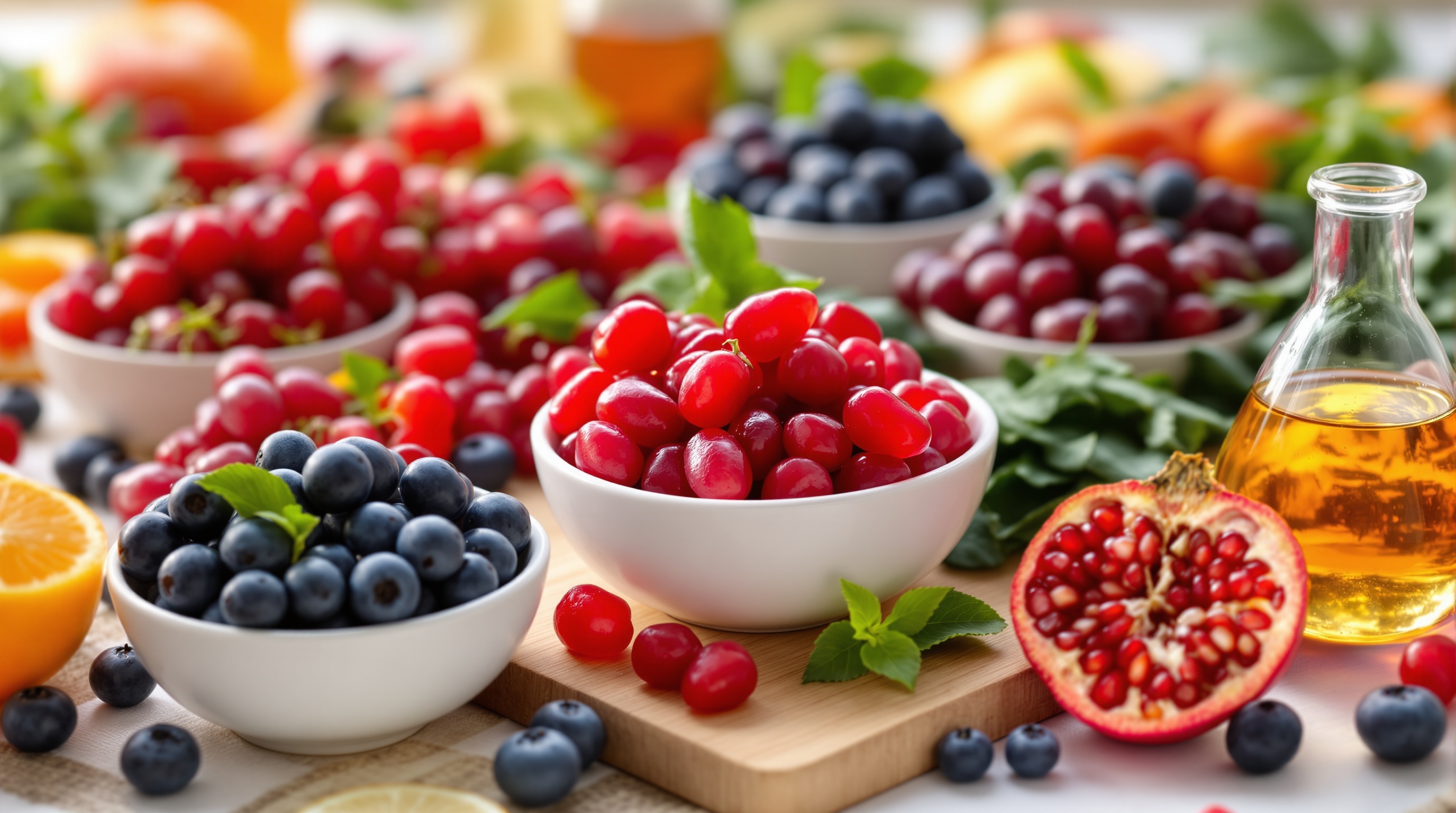
- Berries (blueberries, blackberries, strawberries) – Among the highest polyphenol density per serving
- Extra virgin olive oil – Rich in oleocanthal and hydroxytyrosol
- Green and black tea – Excellent source of EGCG (epigallocatechin gallate)
- Dark chocolate (≥70% cacao) – Flavanols support endothelial function
- Red onions and apples – High in quercetin
- Flaxseeds – Rich in lignans with estrogen-modulating properties
- Coffee – One of the largest sources of phenolic acids in Western diets
According to a comprehensive review published in Nutrients (PMID: 30513795), the average Western diet provides roughly 1 gram of polyphenols per day—but populations with the highest longevity markers (such as those in Mediterranean Blue Zones) consume significantly more.
How Polyphenols Protect Your Cells
1. Neutralizing Oxidative Stress
Polyphenols are potent antioxidants. They donate electrons to neutralize reactive oxygen species (ROS)—unstable molecules that damage DNA, proteins, and cell membranes. Chronic oxidative stress is a root driver of aging and most chronic diseases.
Research from the NIH's National Institute on Aging confirms that oxidative damage accumulates with age and is measurable through biomarkers like 8-OHdG (8-hydroxy-2'-deoxyguanosine) in urine and F2-isoprostanes in plasma. Diets rich in polyphenols have been shown to reduce these markers significantly.
2. Modulating Inflammation
Polyphenols inhibit key pro-inflammatory pathways, including NF-κB signaling and COX-2 enzyme activity. This translates to measurable reductions in inflammatory lab markers:
3. Supporting Cardiovascular Health
Polyphenols improve endothelial function, reduce LDL oxidation, and lower blood pressure. The landmark PREDIMED trial—one of the largest nutrition studies ever conducted—demonstrated that a Mediterranean diet rich in polyphenols (from olive oil and nuts) reduced major cardiovascular events by approximately 30% compared to a low-fat control diet ([NEJM, 2013](https://www.nejm.org/doi/10.1056/NEJMoa1200303)).
Lab markers that may improve with higher polyphenol intake include:
4. Enhancing Gut Microbiome Diversity
Most polyphenols are not fully absorbed in the small intestine—they reach the colon where gut bacteria metabolize them into bioactive metabolites. This bidirectional relationship is critical: polyphenols feed beneficial bacteria (Lactobacillus, Bifidobacterium), while a healthy microbiome amplifies polyphenol bioavailability.
A 2019 review in Frontiers in Nutrition ([link](https://www.frontiersin.org/articles/10.3389/fnut.2019.00087/full)) found that polyphenol-rich diets consistently increased microbiome diversity—a key predictor of metabolic and immune health.
5. Activating Longevity Pathways
Resveratrol (from red grapes) and quercetin (from onions and apples) activate sirtuins—a family of proteins that regulate cellular aging, DNA repair, and mitochondrial function. While human trials on resveratrol supplementation have shown mixed results, dietary resveratrol from whole foods remains associated with favorable aging outcomes in observational studies.
What Your Lab Results Can Tell You
While there's no single "polyphenol level" test, several standard lab markers can reflect the downstream effects of a polyphenol-rich diet:
| Lab Marker | What It Reflects | Optimal Range |
|---|---|---|
| hs-CRP | Systemic inflammation | < 1.0 mg/L (low risk) |
| Fasting glucose | Metabolic health | 70–99 mg/dL |
| HbA1c | 3-month blood sugar average | < 5.7% |
| LDL-C | Cardiovascular risk | < 100 mg/dL (general) |
| HDL-C | Protective cholesterol | > 60 mg/dL |
| Triglycerides | Metabolic/dietary fat | < 150 mg/dL |
If your hs-CRP is elevated or your lipid panel is suboptimal, increasing dietary polyphenols—alongside other lifestyle changes—may help move these numbers in the right direction.
Top Polyphenol-Rich Foods to Prioritize
Practical Tips for Maximizing Polyphenol Intake
1. Eat the rainbow: Different colors signal different polyphenol families—aim for variety
2. Don't peel your produce: Many polyphenols concentrate in the skin of apples, grapes, and potatoes
3. Choose whole foods over supplements: Food-based polyphenols come with synergistic cofactors that isolated supplements lack
4. Cook strategically: Light steaming preserves polyphenols better than boiling; roasting can concentrate them
5. Pair with healthy fats: Fat-soluble polyphenols (like those in olive oil) are better absorbed with a meal
The Bottom Line
Polyphenols represent one of the most compelling areas of nutritional science, with consistent evidence linking higher intake to reduced inflammation, better cardiovascular markers, improved gut health, and longer healthspan. While no single food or compound is a magic bullet, building a diet rich in diverse, colorful plant foods is one of the most evidence-based strategies for healthy aging.
Track your inflammatory and metabolic lab markers over time—they're your best window into whether your dietary choices are translating into measurable health improvements.
---
Take Control of Your Health Data
Ready to cross-reference your medications, supplements, and lab results in one place? [Health Intelligence Analyzer](/) helps you identify potential interactions, flag abnormal lab values, and optimize your health regimen with AI-powered insights. Start your free analysis today.