The Science of Napping: How Strategic Rest Boosts Cognition, Mood, and Metabolic Health
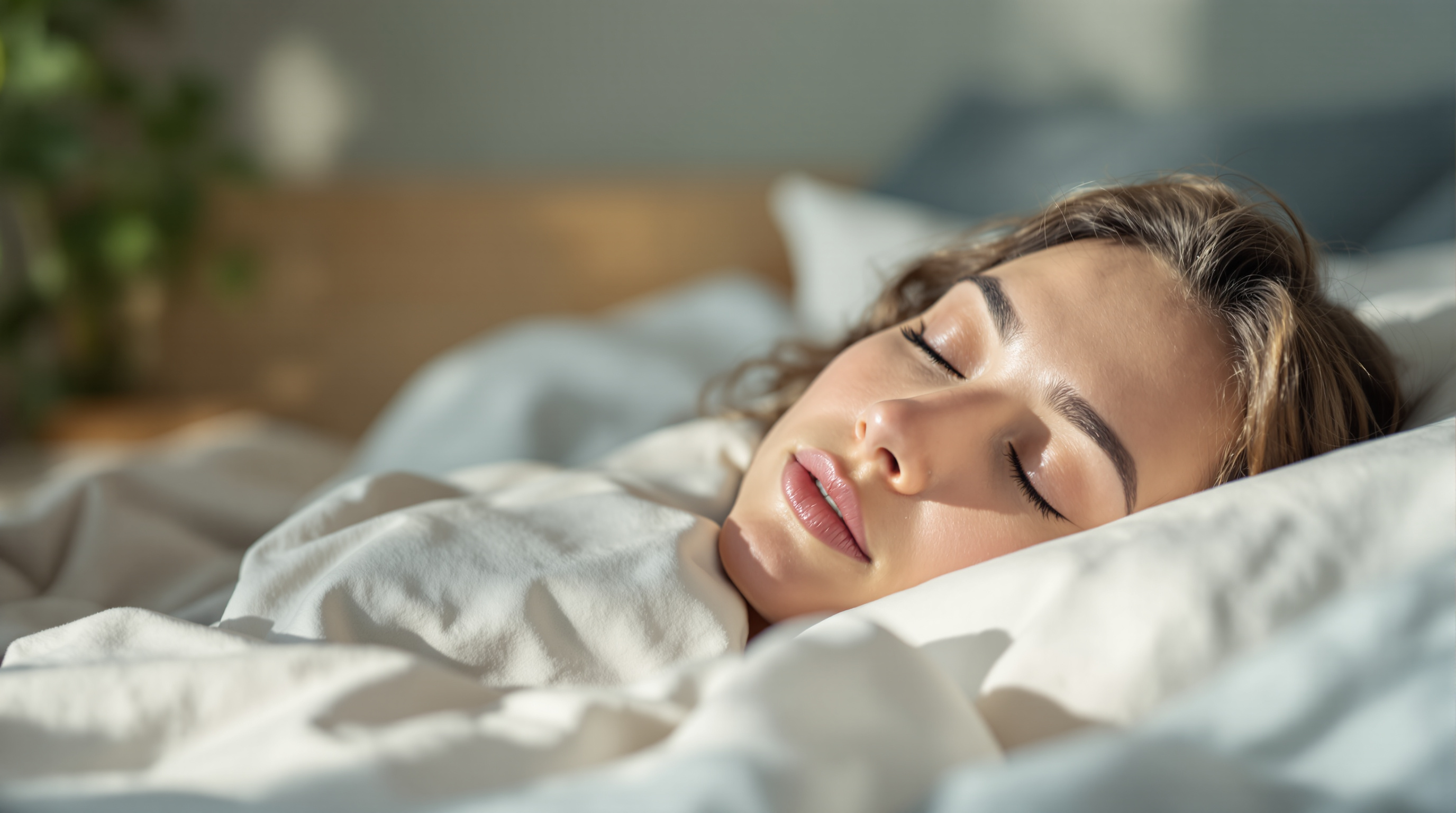
The Science of Napping: How Strategic Rest Boosts Cognition, Mood, and Metabolic Health
Medical Disclaimer: This article is for informational purposes only and does not constitute medical advice. Always consult with a qualified healthcare provider before making changes to your medications, supplements, or health regimen.
For centuries, cultures around the world have embraced the midday nap—from the Spanish siesta to the Japanese practice of inemuri (sleeping while present). Modern science is now validating what these traditions long understood: a well-timed nap is not laziness. It is a powerful, evidence-based tool for cognitive performance, emotional regulation, and even metabolic health.
Why Your Brain Craves a Midday Rest
Human alertness follows a natural rhythm governed by two biological forces: the circadian clock and sleep pressure (adenosine accumulation). Around early-to-mid afternoon—typically between 1 PM and 3 PM—both forces converge to create a predictable dip in alertness, reaction time, and mood. This is not a post-lunch sugar crash; it occurs even in people who skip lunch entirely.
Research published in Nature Neuroscience found that performance on a perceptual learning task deteriorated significantly across the day—but a 60–90 minute nap fully reversed that decline and even boosted performance above morning baseline levels. The brain, it turns out, needs periodic offline processing to consolidate learning and restore attentional resources.
The Different Types of Naps and What Each Does
The Power Nap (10–20 Minutes)
The short power nap is the most practical for most people. Staying in light sleep stages (N1 and N2), it avoids sleep inertia—the grogginess that follows waking from deep sleep. Studies from NASA found that a 26-minute nap improved pilot performance by 34% and alertness by 100%. A 2021 review in Sleep Medicine Reviews confirmed that naps of 10–20 minutes produce the fastest and most robust improvements in alertness and cognitive performance.
Best for: Quick alertness restoration, shift workers, pre-performance boost.
The Memory Consolidation Nap (60 Minutes)
A 60-minute nap allows entry into slow-wave sleep (N3), the stage critical for declarative memory consolidation—the type of memory involved in facts and events. Research from the University of California, Berkeley showed that participants who napped for 60 minutes performed significantly better on memory tests than those who stayed awake.
Best for: Students, professionals learning new skills, older adults (who spend less time in slow-wave sleep at night).
The Full Cycle Nap (90 Minutes)
A 90-minute nap completes one full sleep cycle, including REM sleep. REM is associated with emotional processing, creative problem-solving, and procedural memory. A landmark study in PNAS found that REM sleep naps improved performance on creative insight tasks by nearly 40%.
Best for: Creative work, emotional recovery, weekend recovery from sleep debt.
Napping and Metabolic Health
Beyond cognition, emerging research links napping to metabolic markers:
- Cortisol regulation: A 2015 study in the Journal of Clinical Endocrinology & Metabolism found that a 30-minute nap after sleep restriction normalized cortisol and norepinephrine levels, suggesting naps can buffer the hormonal stress response of poor nighttime sleep.
- Blood pressure: A 2019 study in the Journal of the American College of Cardiology found that midday nappers had 5% lower average blood pressure than non-nappers—comparable to the effect of reducing salt intake or exercising regularly.
- Insulin sensitivity: Chronic sleep deprivation impairs glucose metabolism. While napping cannot fully replace lost nighttime sleep, research suggests it partially restores insulin sensitivity disrupted by short sleep, according to findings published in Diabetologia.
- Optimal window: 1 PM–3 PM aligns with the natural circadian dip and minimizes interference with nighttime sleep.
- Avoid napping after 3 PM if you have difficulty falling asleep at night—late naps reduce sleep pressure and can delay sleep onset.
- Darkness: Use an eye mask or blackout curtains. Even dim light suppresses melatonin and reduces sleep depth.
- Temperature: A cool room (65–68°F / 18–20°C) facilitates faster sleep onset.
- Noise: White noise or earplugs reduce arousal from environmental sounds.
- Shift workers and healthcare professionals who accumulate chronic sleep debt
- Older adults whose nighttime sleep is lighter and more fragmented
- Athletes using naps for performance recovery and reaction time
- People with high cognitive demands (surgeons, pilots, air traffic controllers)
- Anyone recovering from acute sleep loss (new parents, travelers with jet lag)
- A 10–20 minute nap is the most efficient way to restore alertness without grogginess
- 60-minute naps enhance declarative memory; 90-minute naps support creativity and emotional processing
- Napping between 1–3 PM aligns with natural circadian rhythms
- The "nappuccino" (coffee + 20-minute nap) is a validated performance strategy
- Naps partially restore cortisol balance, blood pressure, and insulin sensitivity disrupted by poor sleep
- People with insomnia should avoid daytime naps
- Mednick SC et al. (2003). Sleep-dependent learning: a nap is as good as a night. Nature Neuroscience. https://pubmed.ncbi.nlm.nih.gov/12819785/
- Lovato N & Lack L. (2010). The effects of napping on cognitive functioning. Progress in Brain Research. https://pubmed.ncbi.nlm.nih.gov/20887887/
- Faraut B et al. (2015). Napping reverses the salivary interleukin-6 and urinary norepinephrine changes induced by sleep restriction. Journal of Clinical Endocrinology & Metabolism. https://pubmed.ncbi.nlm.nih.gov/25594861/
- Kallistratos MS et al. (2019). Midday naps associated with reduced blood pressure and fewer medications. Journal of the American College of Cardiology. https://www.jacc.org/doi/10.1016/j.jacc.2019.03.497
- Dutheil F et al. (2021). Effects of a short daytime nap on the cognitive performance. Sleep Medicine Reviews. https://pubmed.ncbi.nlm.nih.gov/33549753/
How to Nap Effectively: Evidence-Based Strategies
Timing Is Everything
The "Nappuccino" Technique
Drink a cup of coffee immediately before a 20-minute nap. Caffeine takes approximately 20–30 minutes to be absorbed, so it kicks in right as you wake—amplifying the alertness benefit of the nap without causing grogginess. Studies from Loughborough University confirmed this combination outperforms either strategy alone.
Create the Right Environment
Set an Alarm
Always set an alarm to avoid oversleeping into deep sleep stages, which causes sleep inertia and can disrupt nighttime sleep.
Who Benefits Most from Napping?
When Napping May Not Be Ideal
Napping is not universally beneficial. People with insomnia should generally avoid daytime naps, as they reduce the sleep pressure needed to fall asleep at night. Those with hypersomnia or idiopathic hypersomnia should consult a sleep specialist before incorporating naps into their routine. If you find yourself needing naps daily despite adequate nighttime sleep, this may signal an underlying condition such as sleep apnea, anemia, or thyroid dysfunction—worth investigating with appropriate lab work.
Key Takeaways
References
---
Take Control of Your Health Data
Ready to cross-reference your medications, supplements, and lab results in one place? [Health Intelligence Analyzer](/) helps you identify potential interactions, flag abnormal lab values, and optimize your health regimen with AI-powered insights. Start your free analysis today.