Seasonal Affective Disorder: The Science Behind Winter Depression and Evidence-Based Treatments
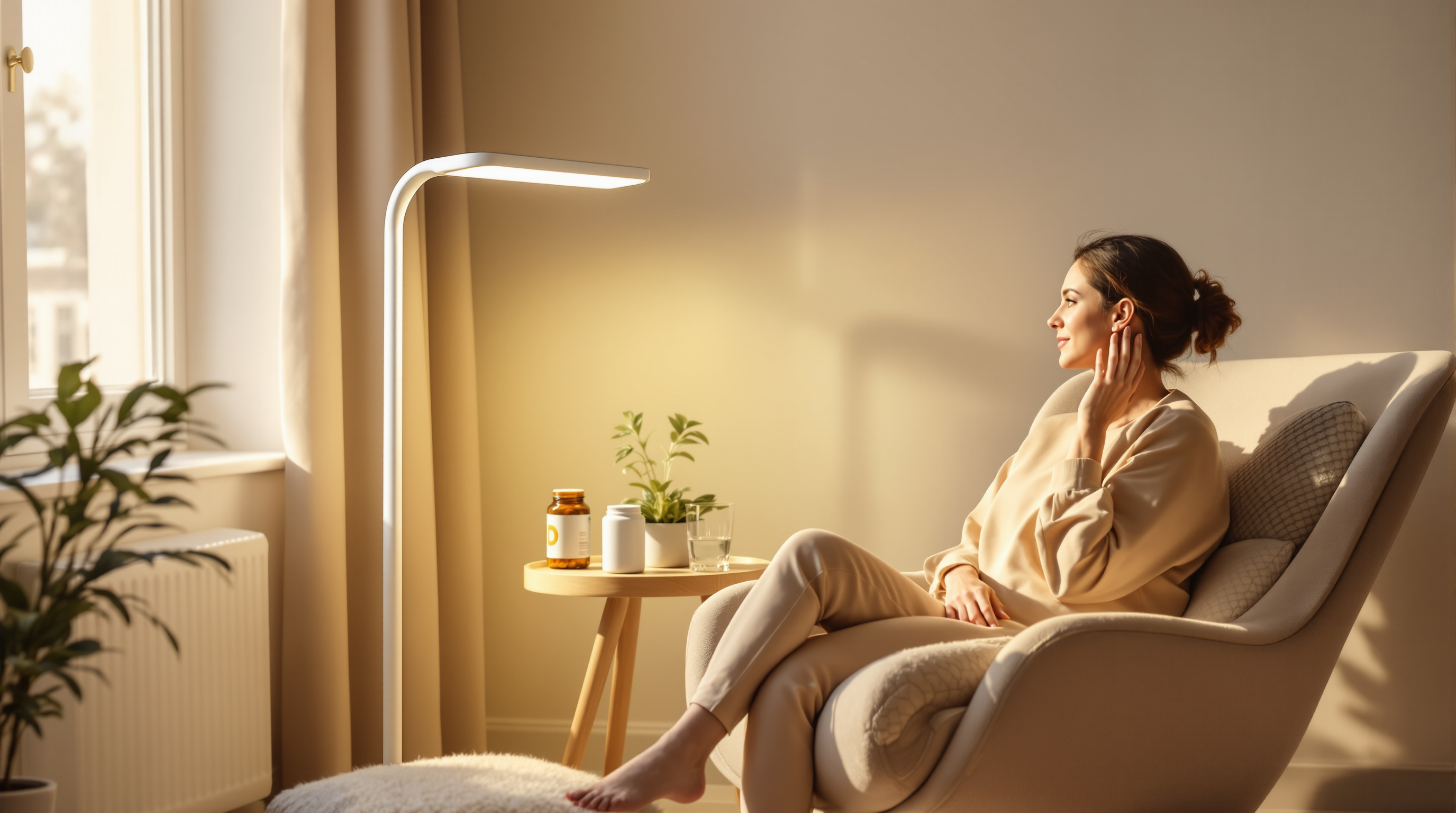
Seasonal Affective Disorder: The Science Behind Winter Depression and Evidence-Based Treatments
Medical Disclaimer: This article is for informational purposes only and does not constitute medical advice. Always consult with a qualified healthcare provider before making changes to your medications, supplements, or health regimen.
As daylight hours shorten and temperatures drop, millions of people experience more than just the "winter blues." Seasonal Affective Disorder (SAD) is a clinically recognized subtype of major depressive disorder that follows a predictable seasonal pattern — typically emerging in late fall, peaking in winter, and remitting in spring. According to the [National Institute of Mental Health (NIMH)](https://www.nimh.nih.gov/health/topics/seasonal-affective-disorder-sad), SAD affects approximately 5% of U.S. adults, with symptoms lasting about 40% of the year.
Understanding the biology behind SAD — and the lab markers that may signal vulnerability — can help you take proactive steps before the darkest months arrive.
What Is Seasonal Affective Disorder?
SAD is not simply feeling gloomy when it's cold outside. It is a diagnosable mood disorder with specific criteria:
- Depressive episodes that occur at the same time each year (most commonly fall/winter)
- Full remission during other seasons (typically spring and summer)
- At least two consecutive years of this seasonal pattern
- Symptoms that significantly impair daily functioning
- 25-hydroxyvitamin D (25-OH D): Optimal range is generally 40–60 ng/mL. Levels below 20 ng/mL are considered deficient and associated with increased depression risk.
- TSH (Thyroid-Stimulating Hormone): Hypothyroidism mimics many SAD symptoms — fatigue, weight gain, low mood. A TSH above 4.0 mIU/L warrants further evaluation.
- Ferritin: Iron deficiency impairs serotonin synthesis. Low ferritin (below 30 ng/mL) can contribute to fatigue and mood disturbances.
- Cortisol (morning): Chronic stress and HPA axis dysregulation can worsen seasonal mood vulnerability. Abnormal cortisol patterns may indicate adrenal involvement.
- CBC with differential: Ruling out anemia as a contributor to fatigue and low energy is a useful first step.
- A 10,000-lux light therapy box
- 20–30 minutes of exposure each morning
- Positioned at eye level, approximately 16–24 inches away
- Starting in early fall before symptoms emerge
- Identifying and restructuring negative thought patterns triggered by winter
- Behavioral activation — scheduling pleasurable activities despite low motivation
- Developing coping strategies for seasonal triggers
- Dawn simulation: Gradually brightening bedroom lights before wake time can ease circadian phase delay
- Outdoor morning walks: Even on cloudy days, outdoor light exposure exceeds indoor lighting
- Regular exercise: Aerobic exercise has demonstrated antidepressant effects comparable to medication in some studies
- Social engagement: Maintaining social connections counteracts the withdrawal tendency common in SAD
A less common "summer SAD" pattern also exists, but winter-onset SAD accounts for the vast majority of cases. Women are diagnosed with SAD at roughly four times the rate of men, and it is more prevalent at higher latitudes where winter daylight is most reduced.
The Biology Behind SAD
Circadian Rhythm Disruption
Reduced light exposure in winter disrupts the body's master clock — the suprachiasmatic nucleus (SCN) in the hypothalamus. This internal timekeeper regulates sleep-wake cycles, hormone release, and mood. When light input diminishes, circadian rhythms can shift out of alignment with the external environment, a phenomenon called "phase delay."
Research published in the [American Journal of Psychiatry](https://pubmed.ncbi.nlm.nih.gov/11772690/) found that people with SAD show greater circadian phase delays compared to healthy controls, suggesting their biological clocks run behind schedule in winter.
Serotonin Dysregulation
Serotonin — the neurotransmitter central to mood regulation — is directly influenced by light exposure. Sunlight stimulates serotonin synthesis and reduces the activity of the serotonin transporter (SERT), which clears serotonin from synapses. In winter, reduced light leads to increased SERT activity, effectively lowering available serotonin.
A landmark [PET imaging study](https://pubmed.ncbi.nlm.nih.gov/16461462/) demonstrated that SERT binding was significantly higher in SAD patients during winter months, confirming this serotonin-clearing mechanism as a key driver of seasonal depression.
Melatonin Overproduction
Melatonin, the "darkness hormone" produced by the pineal gland, signals nighttime to the body. In winter, longer nights trigger extended melatonin secretion. While melatonin itself does not cause depression, its prolonged presence can suppress serotonin activity and reinforce circadian misalignment.
Interestingly, people with SAD appear to be more sensitive to melatonin's phase-shifting effects than those without the disorder, according to research from [Harvard Medical School](https://pubmed.ncbi.nlm.nih.gov/9449001/).
Vitamin D Deficiency
Sunlight drives cutaneous vitamin D synthesis. In winter — especially at latitudes above 35°N — UVB radiation is insufficient for adequate vitamin D production. Low vitamin D levels have been associated with depressive symptoms in multiple studies, though the causal relationship remains under investigation.
A [meta-analysis in the Journal of Affective Disorders](https://pubmed.ncbi.nlm.nih.gov/24732019/) found a significant inverse relationship between vitamin D levels and depression scores, supporting vitamin D as a modifiable risk factor.
Lab Markers Worth Monitoring
If you experience seasonal mood changes, these biomarkers can provide valuable insight:
Evidence-Based Treatments for SAD
Light Therapy (Phototherapy)
Light therapy is the first-line treatment for SAD, with response rates of 50–80% in clinical trials. The standard protocol involves:
The [American Psychiatric Association](https://www.psychiatry.org/) recommends light therapy as a safe, effective, and rapid-acting intervention, with most patients noticing improvement within one to two weeks.
Cognitive Behavioral Therapy for SAD (CBT-SAD)
A specialized form of CBT adapted for SAD has demonstrated efficacy comparable to light therapy in randomized controlled trials. CBT-SAD focuses on:
A [landmark study in the American Journal of Psychiatry](https://pubmed.ncbi.nlm.nih.gov/26580313/) found that CBT-SAD produced more durable remission than light therapy alone when assessed the following winter.
Antidepressant Medications
For moderate-to-severe SAD, SSRIs (selective serotonin reuptake inhibitors) such as sertraline and fluoxetine are FDA-approved options. Bupropion XL (Wellbutrin XL) has specific FDA approval for the prevention of SAD when started before symptom onset in fall.
Vitamin D Supplementation
For individuals with confirmed deficiency, vitamin D supplementation (typically 2,000–4,000 IU/day) may support mood alongside other treatments. However, supplementation alone is unlikely to resolve SAD — it works best as part of a comprehensive approach.
Lifestyle Strategies
When to Seek Professional Help
If seasonal mood changes significantly impair your work, relationships, or daily functioning — or if you experience thoughts of self-harm — consult a mental health professional promptly. SAD is highly treatable, and early intervention prevents the disorder from deepening.
A psychiatrist or primary care physician can order the relevant lab work, rule out medical mimics (thyroid disease, anemia), and develop a personalized treatment plan combining light therapy, psychotherapy, and medication as needed.
---
Take Control of Your Health Data
Ready to cross-reference your medications, supplements, and lab results in one place? [Health Intelligence Analyzer](/) helps you identify potential interactions, flag abnormal lab values, and optimize your health regimen with AI-powered insights. Start your free analysis today.