Sleep Architecture and Health: How Your Sleep Stages Impact Lab Results and Longevity
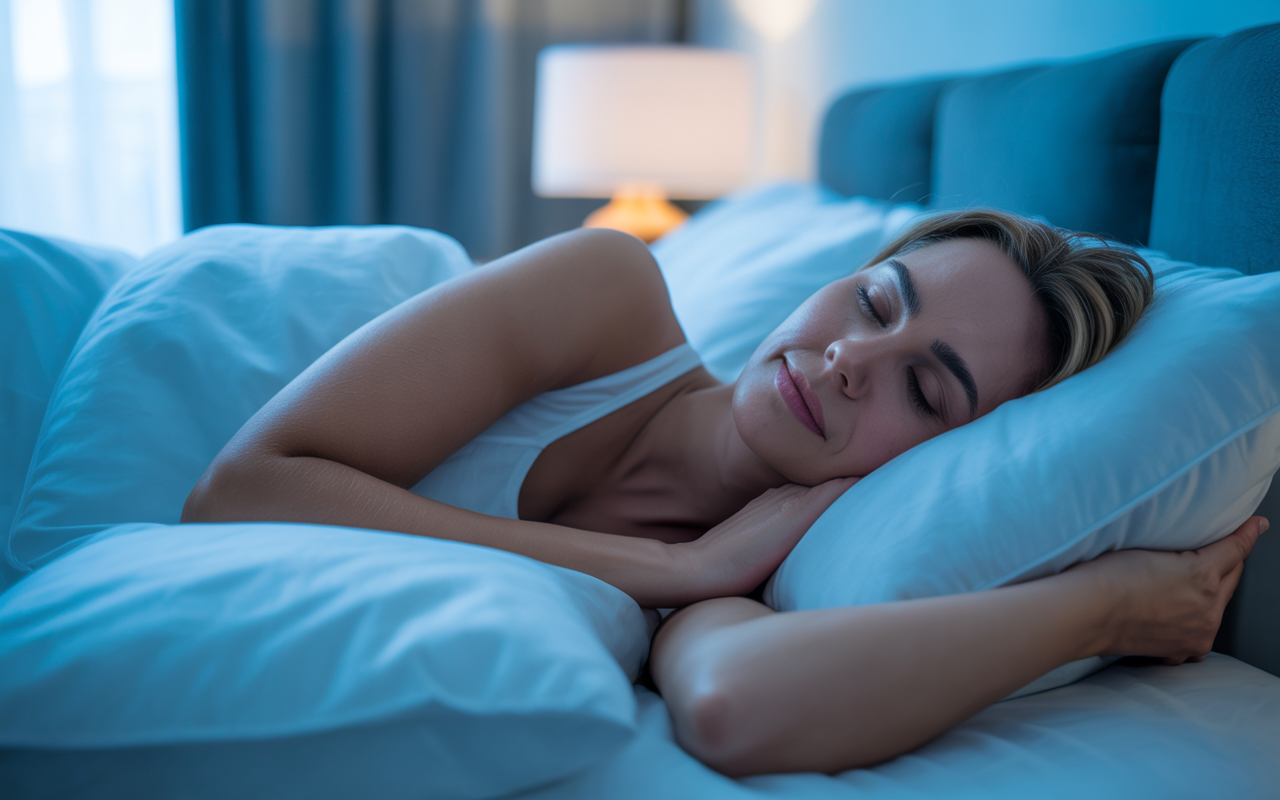
Sleep Architecture and Health: How Your Sleep Stages Impact Lab Results and Longevity
Medical Disclaimer: This article is for informational purposes only and does not constitute medical advice. Always consult with a qualified healthcare provider before making changes to your medications, supplements, or health regimen.
Sleep is far more than passive rest. Each night, your body cycles through distinct stages of sleep that orchestrate hormonal release, immune regulation, cellular repair, and memory consolidation. Disruptions to this architecture—whether from sleep apnea, insomnia, or lifestyle habits—leave measurable fingerprints in your blood work. Understanding the connection between sleep stages and your lab results can unlock powerful insights for optimizing your long-term health.
The Four Stages of Sleep: A Quick Primer
Sleep is divided into two broad categories: Non-REM (NREM) sleep and REM (Rapid Eye Movement) sleep. A full sleep cycle lasts approximately 90 minutes, and healthy adults complete 4–6 cycles per night.
NREM Stage 1 (Light Sleep)
This transitional phase lasts just 1–7 minutes. Brain activity slows, muscles relax, and you can be easily awakened. It accounts for roughly 5% of total sleep time.
NREM Stage 2 (Light-to-Moderate Sleep)
Lasting 10–25 minutes per cycle, Stage 2 is characterized by sleep spindles and K-complexes—brain wave patterns that protect sleep and support memory consolidation. Body temperature drops and heart rate slows. This stage comprises about 45–55% of total sleep.
NREM Stage 3 (Deep/Slow-Wave Sleep)
Also called slow-wave sleep (SWS), this is the most physically restorative stage. Growth hormone is secreted in pulses, tissue repair occurs, and the immune system is actively reinforced. Deep sleep is most abundant in the first half of the night and declines with age. It accounts for 15–25% of total sleep in healthy young adults.
REM Sleep
REM sleep, where most vivid dreaming occurs, is critical for emotional regulation, learning, and memory. The brain is highly active, while voluntary muscles are temporarily paralyzed. REM periods lengthen throughout the night, with the longest episodes occurring in the final hours before waking.
How Sleep Stages Directly Affect Your Lab Results
Growth Hormone and IGF-1
The majority of daily growth hormone (GH) secretion occurs during deep (Stage 3) sleep, typically within the first 90 minutes of sleep onset. GH stimulates the liver to produce Insulin-like Growth Factor 1 (IGF-1), which drives tissue repair, muscle synthesis, and fat metabolism. Chronic sleep deprivation or fragmented deep sleep suppresses GH pulses, leading to lower IGF-1 levels on lab panels—a marker associated with accelerated aging and reduced muscle mass ([NIH/NCBI](https://www.ncbi.nlm.nih.gov/pmc/articles/PMC3065172/)).
Cortisol Patterns
Cortisol follows a circadian rhythm, peaking in the early morning to promote wakefulness and declining through the day. Poor sleep—especially insufficient REM sleep—disrupts this rhythm, elevating evening cortisol levels. Elevated late-day cortisol on a salivary or blood cortisol panel is a red flag for HPA axis dysregulation, which is linked to insulin resistance, immune suppression, and cardiovascular risk ([PubMed](https://pubmed.ncbi.nlm.nih.gov/15583226/)).
Blood Glucose and Insulin Sensitivity
Even a single night of poor sleep can impair insulin sensitivity by 20–25%, according to research published in the Annals of Internal Medicine. Chronic sleep restriction raises fasting glucose and HbA1c over time. If your lab results show creeping fasting glucose or a rising HbA1c, poor sleep architecture may be a contributing factor worth investigating alongside diet and exercise ([NIH](https://www.ncbi.nlm.nih.gov/pmc/articles/PMC2929498/)).
Inflammatory Markers: CRP and IL-6
Deep sleep is a critical window for anti-inflammatory activity. During SWS, pro-inflammatory cytokines like Interleukin-6 (IL-6) and TNF-alpha are suppressed, while restorative processes dominate. Sleep deprivation reverses this balance, chronically elevating C-Reactive Protein (CRP) and IL-6. Elevated CRP on your lab panel—even in the absence of infection—may reflect cumulative sleep debt ([PubMed](https://pubmed.ncbi.nlm.nih.gov/16259539/)).
Immune Cell Counts
REM and deep sleep both support immune memory. Studies show that sleep after vaccination significantly improves antibody response. Conversely, chronic poor sleep is associated with lower natural killer (NK) cell activity and reduced lymphocyte counts on a complete blood count (CBC). If your white blood cell differential shows persistently low lymphocytes, sleep quality is worth evaluating ([NIH](https://www.ncbi.nlm.nih.gov/pmc/articles/PMC3256323/)).
Leptin and Ghrelin: The Hunger Hormones
Sleep deprivation suppresses leptin (the satiety hormone) and elevates ghrelin (the hunger hormone), driving increased appetite and caloric intake. While leptin and ghrelin aren't standard lab panel items, their dysregulation contributes to weight gain, elevated triglycerides, and worsening metabolic markers over time.
Signs Your Sleep Architecture May Be Disrupted
- Waking unrefreshed despite 7–9 hours in bed
- Elevated fasting glucose or HbA1c without clear dietary cause
- High CRP or other inflammatory markers
- Low morning energy with afternoon cortisol crashes
- Difficulty losing weight despite caloric control
- Frequent illness or slow recovery from infections
- Keep bedroom temperature between 65–68°F (18–20°C)—cooler temperatures facilitate the drop in core body temperature needed to initiate deep sleep
- Use blackout curtains or a sleep mask to block light, which suppresses melatonin
- Minimize noise with earplugs or white noise
- Magnesium glycinate (200–400 mg before bed) supports GABA activity and may improve deep sleep quality
- Melatonin (0.5–3 mg) can help reset circadian rhythm for shift workers or jet lag—not a long-term sleep aid
- L-theanine (100–200 mg) promotes relaxation without sedation
Evidence-Based Strategies to Optimize Sleep Architecture
Prioritize Sleep Consistency
Going to bed and waking at the same time daily—even on weekends—anchors your circadian rhythm and maximizes deep sleep efficiency. The American Academy of Sleep Medicine recommends 7–9 hours for adults ([AASM](https://aasm.org/)).
Limit Alcohol and Caffeine
Alcohol suppresses REM sleep, fragmenting the second half of the night. Caffeine has a half-life of 5–7 hours; consuming it after 2 PM can reduce deep sleep by up to 20% ([FDA](https://www.fda.gov/consumers/consumer-updates/spilling-beans-how-much-caffeine-too-much)).
Optimize Your Sleep Environment
Address Sleep Apnea
Obstructive sleep apnea (OSA) fragments deep and REM sleep hundreds of times per night. If you snore, wake gasping, or feel unrefreshed, ask your doctor about a sleep study. Untreated OSA is independently associated with elevated CRP, insulin resistance, and cardiovascular disease ([WHO](https://www.who.int/news-room/fact-sheets/detail/cardiovascular-diseases-(cvds))).
Strategic Supplementation (With Medical Guidance)
Always discuss supplementation with your healthcare provider, especially if you take medications.
Tracking Sleep Quality Alongside Lab Results
Modern wearables (Oura Ring, WHOOP, Garmin) provide estimates of sleep stage distribution. While not as accurate as polysomnography, they offer useful trends. Pairing wearable sleep data with quarterly lab panels—tracking CRP, fasting glucose, cortisol, and IGF-1—creates a powerful feedback loop for optimizing your health.
---
Take Control of Your Health Data
Ready to cross-reference your medications, supplements, and lab results in one place? [Health Intelligence Analyzer](/) helps you identify potential interactions, flag abnormal lab values, and optimize your health regimen with AI-powered insights. Start your free analysis today.