Supplement-Drug Interactions: What You Must Know Before Mixing Vitamins and Medications
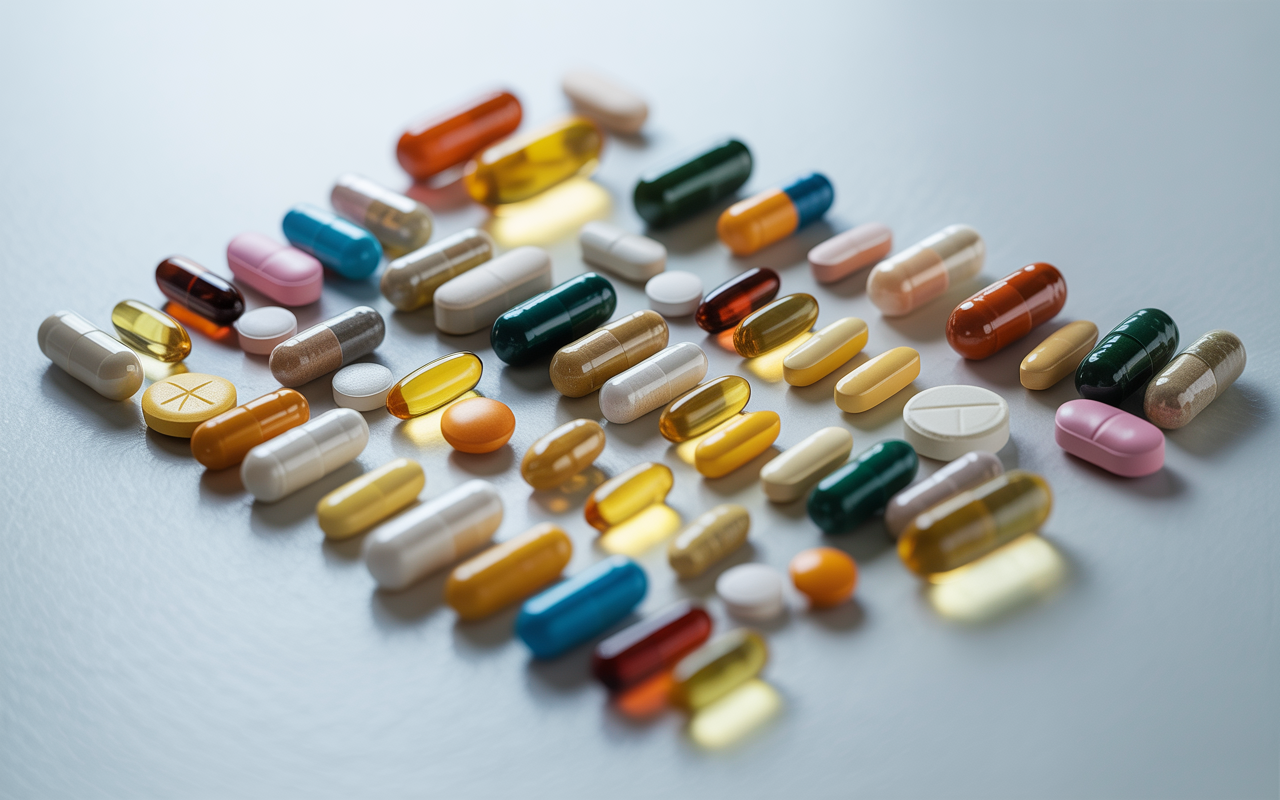
Supplement-Drug Interactions: What You Must Know Before Mixing Vitamins and Medications
Medical Disclaimer: This article is for informational purposes only and does not constitute medical advice. Always consult with a qualified healthcare provider before making changes to your medications, supplements, or health regimen.
More than half of American adults take at least one dietary supplement, and a significant portion of those individuals also take one or more prescription medications. What many people don't realize is that supplements — despite being "natural" — can profoundly alter how medications work in the body. Some interactions reduce drug effectiveness; others amplify drug effects to dangerous levels.
Understanding supplement-drug interactions is not just a matter of convenience — it can be a matter of life and death.
Why Supplement-Drug Interactions Happen
Supplements interact with medications through several key mechanisms:
- Pharmacokinetic interactions: The supplement changes how the body absorbs, distributes, metabolizes, or excretes the drug
- Pharmacodynamic interactions: Both the supplement and drug act on the same biological pathway, either amplifying or opposing each other's effects
- Nutrient competition: Supplements and drugs may compete for the same transporters or binding sites in the gut or bloodstream
- Antidepressants (SSRIs, SNRIs) — can trigger serotonin syndrome
- Oral contraceptives — reduced effectiveness, risk of unintended pregnancy
- HIV antiretrovirals (e.g., indinavir) — can cause treatment failure
- Cyclosporine (transplant rejection drug) — can lead to organ rejection
- Warfarin — reduced anticoagulant effect, increased clotting risk
- Warfarin (Coumadin)
- Aspirin (especially at higher doses)
- Clopidogrel (Plavix)
- Direct oral anticoagulants (DOACs) like rivaroxaban or apixaban
- Fluoroquinolones (ciprofloxacin, levofloxacin)
- Tetracyclines (doxycycline, minocycline)
- Statins (simvastatin, atorvastatin) — increased risk of muscle damage (rhabdomyolysis)
- Calcium channel blockers (amlodipine, felodipine)
- Immunosuppressants (cyclosporine, tacrolimus)
- Certain benzodiazepines
- Calcium carbonate
- Iron supplements
- Magnesium
- Soy isoflavones
- Sudden severe bleeding or bruising (anticoagulant interactions)
- Rapid heart rate, agitation, high fever, or muscle rigidity (serotonin syndrome)
- Severe muscle pain or dark urine (rhabdomyolysis from statin interactions)
- Dangerously low blood pressure or fainting
The liver's cytochrome P450 (CYP450) enzyme system is central to many of these interactions. Numerous supplements either induce (speed up) or inhibit (slow down) these enzymes, directly affecting drug blood levels.
High-Risk Supplement-Drug Combinations
St. John's Wort and Multiple Drug Classes
St. John's Wort (Hypericum perforatum) is one of the most widely studied — and most dangerous — supplement-drug interactors. It is a potent inducer of CYP3A4 and P-glycoprotein, meaning it dramatically speeds up the metabolism of many drugs, lowering their blood concentrations.
Affected medications include:
Fish Oil (Omega-3s) and Blood Thinners
High-dose fish oil (typically above 3 grams per day) has mild antiplatelet and anticoagulant properties. When combined with blood-thinning medications, this can increase bleeding risk.
Affected medications include:
If you take any of these medications, discuss fish oil supplementation with your prescriber and monitor your INR (if on warfarin) more closely.
Vitamin K and Warfarin
Warfarin works by blocking vitamin K-dependent clotting factors. Sudden changes in dietary or supplemental vitamin K intake can dramatically shift INR values — either increasing bleeding risk (low K) or reducing anticoagulant protection (high K).
Key takeaway: Consistency is critical. If you take warfarin, keep your vitamin K intake stable rather than eliminating it entirely.
Magnesium, Calcium, and Antibiotic Absorption
Divalent cations like magnesium and calcium can bind to certain antibiotics in the gut, forming insoluble complexes that prevent absorption.
Affected antibiotics include:
Practical tip: Space these supplements at least 2 hours before or 4–6 hours after taking these antibiotics.
Grapefruit and CYP3A4 Inhibition
While technically a food rather than a supplement, grapefruit and grapefruit juice are potent CYP3A4 inhibitors. This can cause blood levels of certain drugs to rise dramatically.
Affected drug classes include:
CoQ10 and Blood Pressure Medications
Coenzyme Q10 (CoQ10) has mild blood pressure-lowering effects. When combined with antihypertensive medications, it may cause blood pressure to drop too low (hypotension), leading to dizziness, fainting, or falls — particularly in older adults.
Supplements That Affect Thyroid Medications
Levothyroxine (Synthroid) is one of the most commonly prescribed medications in the United States, and it is highly susceptible to absorption interference.
Supplements that reduce levothyroxine absorption:
Best practice: Take levothyroxine on an empty stomach, 30–60 minutes before breakfast, and separate it from any supplements by at least 4 hours.
Practical Steps to Protect Yourself
1. Create a complete medication and supplement list — include doses, timing, and frequency for everything you take
2. Consult your pharmacist — pharmacists are often the most accessible resource for interaction checking
3. Use a reputable interaction checker — tools like Drugs.com or clinical databases can flag known interactions
4. Inform all your healthcare providers — many patients see multiple specialists who may not communicate with each other
5. Be cautious with high-dose supplements — interactions are often dose-dependent; higher doses carry greater risk
6. Monitor for new symptoms — unexplained changes in how you feel after starting a new supplement may signal an interaction
7. Don't stop medications abruptly — if you suspect an interaction, consult your provider before making any changes
When to Seek Immediate Medical Attention
Certain supplement-drug interactions can cause acute, life-threatening reactions. Seek emergency care if you experience:
The Bottom Line
The "natural" label on a supplement does not mean it is safe to combine with prescription medications. Many of the most dangerous interactions involve widely used, over-the-counter supplements that people assume are harmless. The key to safety is transparency with your healthcare team, consistent monitoring, and using evidence-based tools to cross-reference everything you take.
---
Take Control of Your Health Data
Ready to cross-reference your medications, supplements, and lab results in one place? [Health Intelligence Analyzer](/) helps you identify potential interactions, flag abnormal lab values, and optimize your health regimen with AI-powered insights. Start your free analysis today.