Therapeutic Plasma Exchange: What the Emerging Science Says About Blood Filtering for Longevity and Autoimmune Health
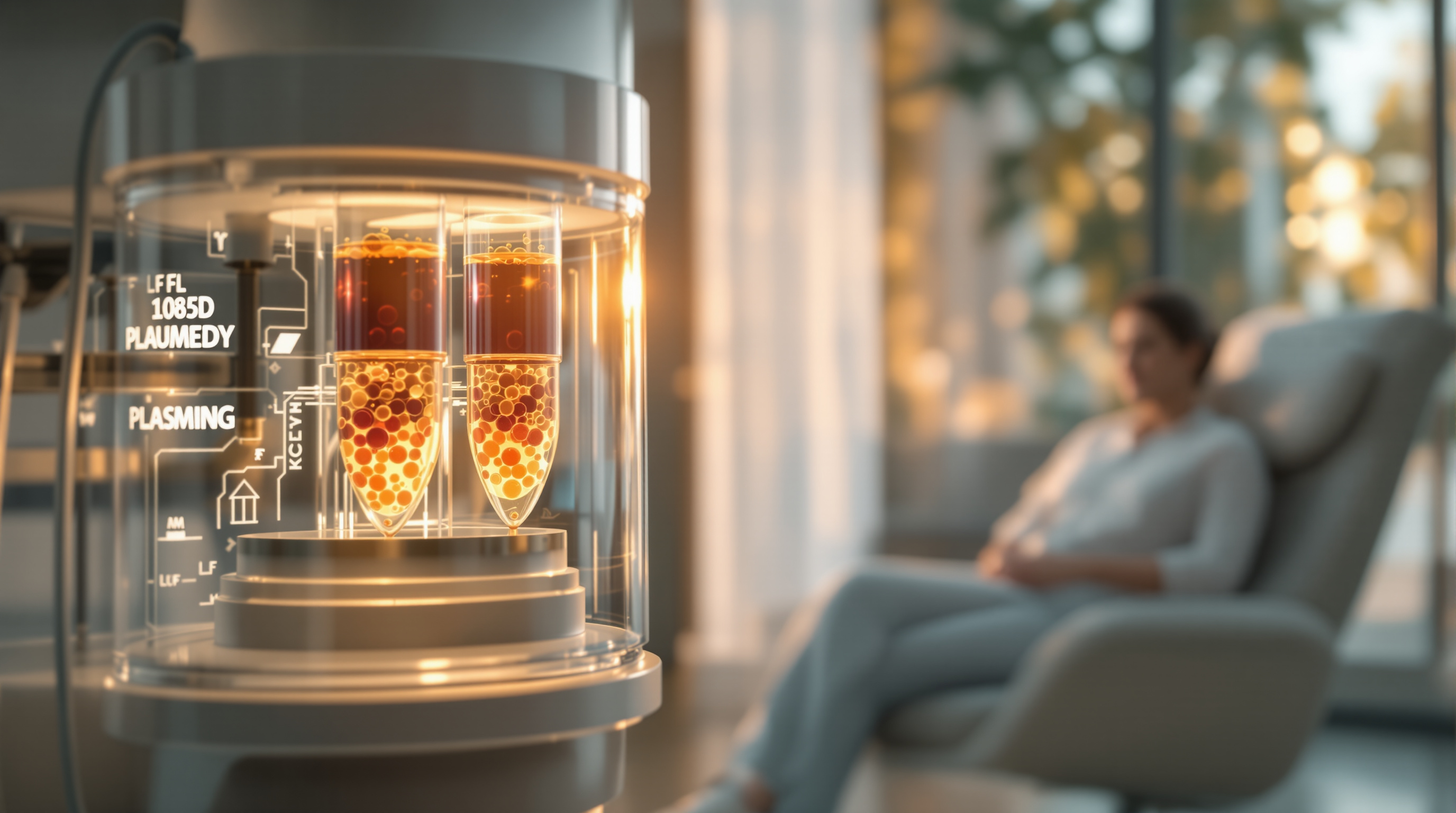
Therapeutic Plasma Exchange: What the Emerging Science Says About Blood Filtering for Longevity and Autoimmune Health
Medical Disclaimer: This article is for informational purposes only and does not constitute medical advice. Always consult with a qualified healthcare provider before making changes to your medications, supplements, or health regimen.
Therapeutic plasma exchange (TPE) — also called plasmapheresis — has been a cornerstone of treatment for certain autoimmune and neurological conditions for decades. But a wave of new research is expanding its potential applications, from slowing biological aging to managing complex inflammatory diseases. If you've heard buzz about "young blood" therapies or plasma dilution for longevity, TPE is at the center of that conversation.
Here's what the current science actually supports — and where the hype outpaces the evidence.
What Is Therapeutic Plasma Exchange?
TPE is a medical procedure in which blood is drawn from a patient, the liquid portion (plasma) is separated from blood cells, and the plasma is replaced with a substitute — typically albumin, fresh frozen plasma, or saline. The blood cells are then returned to the patient.
The procedure typically takes two to four hours and is performed in a clinical setting. It has been FDA-approved for specific indications since the 1980s, including:
- Myasthenia gravis — an autoimmune neuromuscular disorder
- Guillain-Barré syndrome — an acute nerve-damaging condition
- Thrombotic thrombocytopenic purpura (TTP) — a rare blood clotting disorder
- Chronic inflammatory demyelinating polyneuropathy (CIDP)
- Certain forms of lupus nephritis and vasculitis
- Plasma dilution reduced liver fibrosis markers
- Improved muscle regeneration capacity
- Enhanced hippocampal neurogenesis (new brain cell formation)
- Reduced systemic inflammation markers including IL-6 and TNF-alpha
- Anti-NMDA receptor encephalitis — TPE is a first-line treatment alongside immunotherapy
- Neuromyelitis optica spectrum disorder (NMOSD) — particularly for acute attacks
- Myasthenic crisis — rapid removal of acetylcholine receptor antibodies
- Rapidly progressive glomerulonephritis — certain antibody-mediated forms
- Long COVID — Several European clinics have reported symptom improvement in long COVID patients treated with TPE, with researchers hypothesizing that removing microclots and inflammatory mediators may help. A 2022 paper in Biomedicines described case series with promising results, though controlled trials are ongoing.
- Fibromyalgia — A 2021 study in Journal of Clinical Medicine found that patients with fibromyalgia who had detectable autoantibodies showed symptom improvement after TPE, suggesting an autoimmune subtype may exist.
- Post-COVID dysautonomia — Removal of adrenergic receptor autoantibodies is being studied as a potential mechanism.
- ANA (antinuclear antibody) titer — elevated in many autoimmune conditions; TPE can transiently reduce levels
- Complement levels (C3, C4) — consumed during immune complex formation; low levels suggest active disease
- ESR and CRP — general inflammation markers that may improve post-TPE
- Specific autoantibodies — anti-dsDNA, anti-AChR, anti-AQP4, depending on the condition
- Albumin levels — monitored closely during and after TPE, as albumin is lost and replaced
- Immunoglobulin levels (IgG, IgM, IgA) — reduced by TPE; may require monitoring for infection risk
- Hypotension — blood pressure drops during the procedure
- Citrate toxicity — the anticoagulant used can cause tingling, muscle cramps, and in rare cases cardiac arrhythmia
- Infection risk — central venous access increases infection risk; reduced immunoglobulins increase susceptibility
- Allergic reactions — particularly with fresh frozen plasma replacement
- Clotting factor depletion — relevant when albumin rather than plasma is used as replacement
- Cost and access — TPE requires specialized equipment and trained staff; it is expensive and not universally covered by insurance for off-label uses
- Conboy et al. (2020). Nature Aging. Plasma dilution improves cognition and attenuates neuroinflammation in old mice. https://www.nature.com/articles/s43587-020-00013-3
- American Society for Apheresis. (2023). Guidelines on the Use of Therapeutic Apheresis. https://onlinelibrary.wiley.com/doi/10.1002/jca.22043
- NIH MedlinePlus. Plasmapheresis. https://medlineplus.gov/ency/article/002915.htm
- FDA. (2019). Concerns with Infusing Young Donor Plasma. https://www.fda.gov/vaccines-blood-biologics/safety-availability-biologics/fda-warns-consumers-not-use-young-donor-plasma-infusions-anti-aging
According to the American Society for Apheresis (ASFA), TPE is classified by evidence grade — from Category I (strongly recommended) to Category IV (insufficient evidence). Understanding this grading system is essential when evaluating emerging claims.
The Longevity Angle: Plasma Dilution Research
The most provocative recent research comes from a 2020 study published in Nature Aging by researchers at UC Berkeley and Stanford. Led by Dr. Irina Conboy, the study found that diluting old mouse plasma with saline and albumin — essentially a simplified form of TPE — reversed several markers of aging more effectively than transfusing young blood.
Key findings from the Conboy et al. study:
The researchers hypothesized that aging plasma accumulates inhibitory proteins that suppress tissue repair — and that diluting these factors, rather than adding "young" factors, may be the key mechanism.
A small human pilot study (Kiprov et al., 2021) applied a similar protocol to older adults and reported improvements in cognitive function scores and inflammatory biomarkers, though the sample size was too small for definitive conclusions.
Important caveat: These findings are preliminary. No large-scale randomized controlled trials in humans have been completed. The FDA has not approved TPE for anti-aging purposes, and the agency has issued warnings against unproven "young blood" infusion clinics.
Autoimmune Applications: Where the Evidence Is Stronger
For autoimmune conditions, the evidence base for TPE is considerably more robust. The mechanism is straightforward: by removing plasma, TPE also removes circulating autoantibodies, immune complexes, and inflammatory cytokines that drive tissue damage.
Conditions with strong evidence (ASFA Category I or II):
Emerging autoimmune applications under investigation:
What Your Lab Results Can Reveal
If you or your provider are considering TPE for an autoimmune condition, certain lab markers are particularly relevant:
After TPE, autoantibody levels typically rebound within days to weeks as the immune system continues producing them. This is why TPE is usually combined with immunosuppressive therapy rather than used as a standalone treatment.
Risks and Considerations
TPE is generally well-tolerated but carries real risks that must be weighed carefully:
The Bottom Line: Promise With Important Caveats
Therapeutic plasma exchange represents a genuinely interesting frontier in both autoimmune medicine and longevity research. For established indications, it is a proven, life-saving intervention. For emerging applications — particularly longevity and long COVID — the early data is intriguing but far from conclusive.
If you have an autoimmune condition that hasn't responded to standard therapies, TPE may be worth discussing with a specialist. If you're interested in it for longevity purposes, be cautious: the science is early, the risks are real, and unregulated clinics offering plasma therapies operate outside evidence-based medicine.
The most actionable step right now is to work with your healthcare provider to monitor the lab markers most relevant to your condition — and to stay informed as the clinical trial data matures.
Sources:
---
Take Control of Your Health Data
Ready to cross-reference your medications, supplements, and lab results in one place? [Health Intelligence Analyzer](/) helps you identify potential interactions, flag abnormal lab values, and optimize your health regimen with AI-powered insights. Start your free analysis today.