What Does Your A1C Really Mean? A Simple Guide
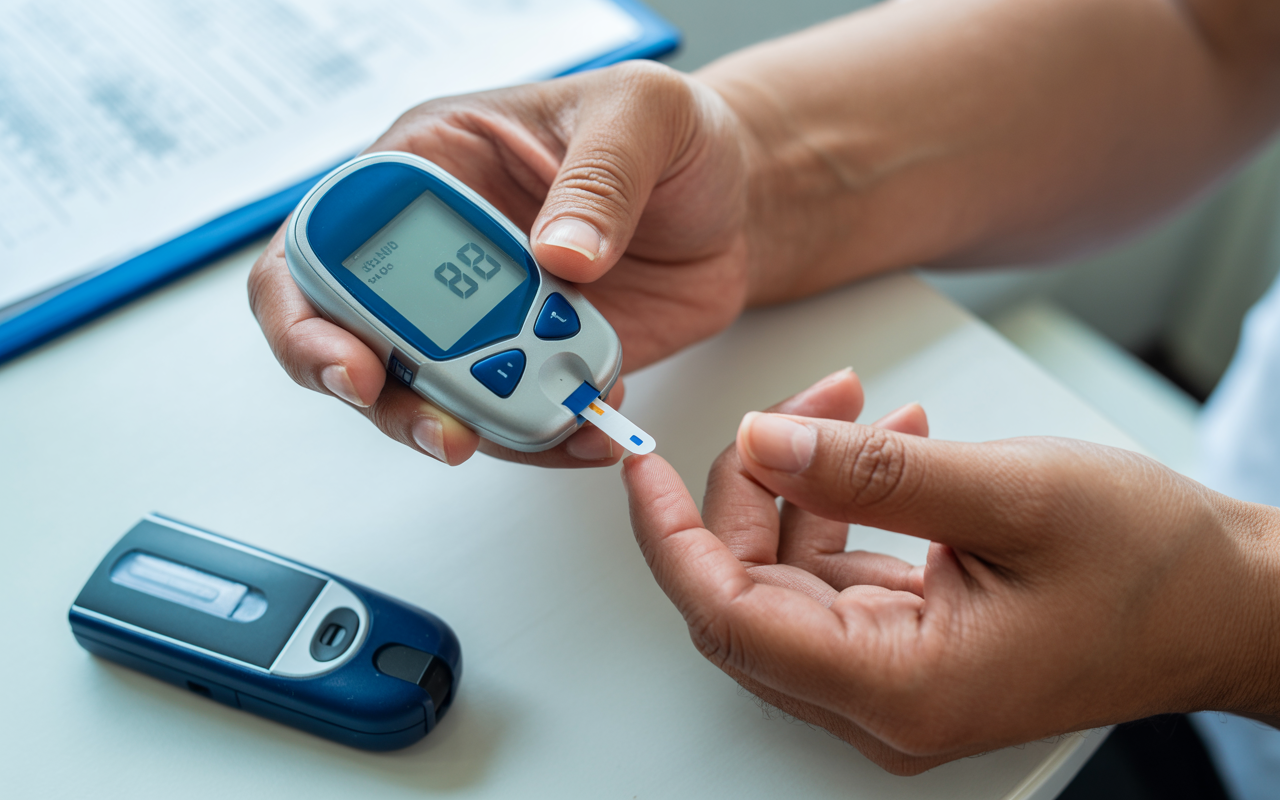
Understanding Your A1C Test
If you've had blood work done recently, you may have seen a number labeled A1C (also called HbA1c or glycated hemoglobin). Unlike a fasting glucose test that captures a single moment, your A1C reflects your average blood sugar over the past 2-3 months.
Think of it like a batting average versus a single at-bat. One high glucose reading might be a bad day. Your A1C tells the bigger story.
The A1C Ranges
- Below 5.7% — Normal. Your blood sugar management is healthy.
- 5.7% to 6.4% — Prediabetes. Your body is showing early signs of insulin resistance. The good news? This is often reversible with lifestyle changes.
- 6.5% or higher — Diabetes range. This doesn't mean your health is out of control — it means you need a management plan with your healthcare team.
- A1C of 5.0% = ~97 mg/dL average glucose
- A1C of 6.0% = ~126 mg/dL
- A1C of 7.0% = ~154 mg/dL
- A1C of 8.0% = ~183 mg/dL
- Iron deficiency anemia can falsely elevate A1C
- Hemoglobin variants (like sickle cell trait) can affect results
- Recent blood transfusions can skew readings
- Kidney disease may lower A1C
- Dietary changes that can lower A1C (reducing refined carbs, increasing fiber)
- Exercise recommendations (even 150 minutes/week of walking helps)
- Whether medication like metformin might be appropriate
- How often to retest (typically every 3-6 months)
Converting A1C to Average Blood Sugar
The formula is straightforward: eAG (mg/dL) = 28.7 × A1C − 46.7
For example:
Try our free A1C to blood sugar converter to see your numbers instantly.
What Can Affect A1C Accuracy?
Certain conditions can make your A1C reading higher or lower than expected:
What to Discuss With Your Doctor
If your A1C is in the prediabetes range, ask about:
This content is for educational purposes only and does not replace medical advice. Always consult your healthcare provider about your lab results.